
Reviews
After Floods and Heavy Rain, Here’s How to Restore a Damaged Lawn

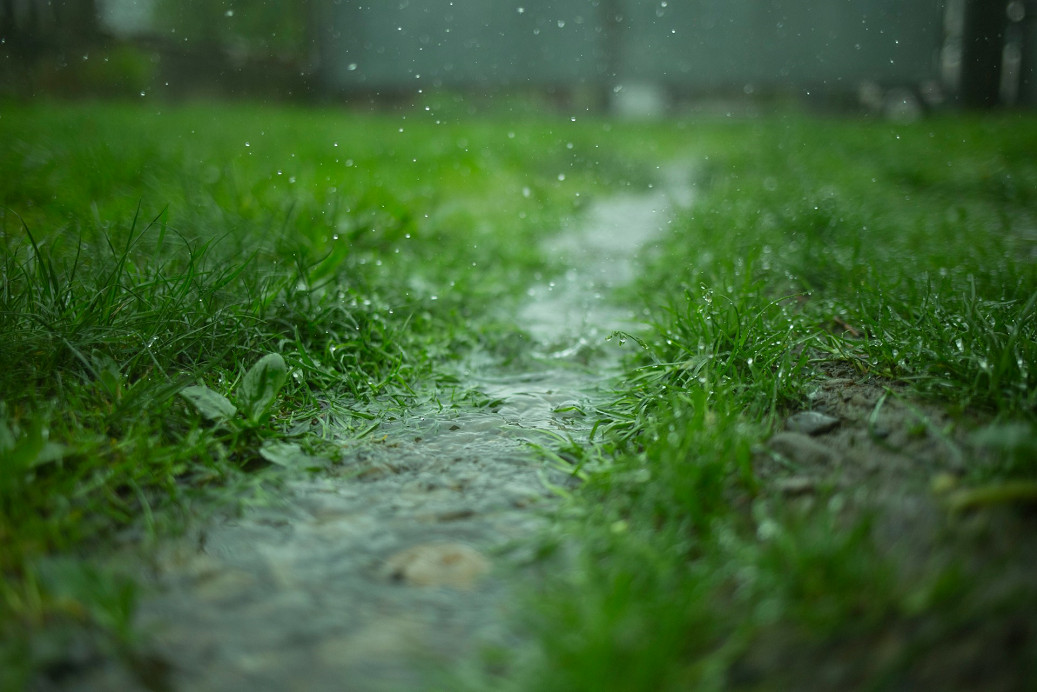
The EPA says that heavy precipitation events have been happening more often since the 1950s, especially in the Northeast and Midwest. As a result, many homeowners are experiencing extensive damage to their lawns, which can be devastating if they’ve put lots of money, time, and effort into maintaining them.
Fortunately, it’s possible to restore a damaged lawn. Here are the key steps you should take.
Assess the Damage Before Starting Lawn Recovery
First, resist the urge to reseed or fertilize immediately after floodwaters recede. You should determine how much damage your lawn actually sustained.
Walk the area once the ground is safe, and look for:
- Standing water
- Erosion
- Silt deposits
- Exposed roots
- Compacted soil
Remove branches, leaves, and any sediment layers thicker than half an inch, as they can prevent sunlight and oxygen from reaching the grass. Check whether the soil feels overly compacted or spongy, since both can affect root health.
Rebuild Soil Health and Replace Lost Nutrients Naturally
Heavy rain doesn’t just damage grass; it also strips away many of the nutrients your lawn depends on. This makes restoring the soil vital.
A soil test can reveal whether flooding depleted essential nutrients or altered the pH. Adding compost or other organic matter naturally:
- Improves soil structure
- Increases beneficial microbial activity
- Helps the ground retain moisture without becoming waterlogged
Once the soil has stabilized, apply a balanced fertilizer from Gordon’s to replenish nutrients lost through runoff and support new root development. Aerating compacted areas before fertilizing also improves nutrient absorption.
Repair Bare Spots With the Right Grass Seed
Patchy grass is one of the most common signs of flood damage. Once the soil is dry enough to work, rake bare areas to loosen the surface and create good seed-to-soil contact.
Choose a grass variety that matches your existing lawn and is well suited to your climate and sunlight conditions. Spread the seed evenly, then lightly cover it with a thin layer of compost or screened topsoil to help retain moisture and protect it from birds. Water gently but consistently to encourage germination without washing the seeds away.
Most importantly, avoid heavy foot traffic during this stage. Young seedlings are especially vulnerable.
Prevent Future Erosion and Improve Drainage
Flood recovery is also an opportunity to address the conditions that caused the damage in the first place. If water repeatedly pools in certain areas, improving drainage can prevent similar problems during future storms. You can reduce standing water by:
– Regrading low spots
– Installing French drains
– Extending downspouts away from the lawn
On sloped properties, erosion-control methods include mulch blankets or strategically placed ground cover. Maintaining healthy, dense turf also strengthens root systems that hold soil together more effectively.
You can reduce future nutrient loss, minimize erosion, and improve your lawn’s long-term resilience simply by correcting drainage issues.
Maintain Your Lawn Until Full Recovery
A restored lawn still needs consistent care for weeks and months. Continue watering according to weather conditions; keep the soil evenly moist without overwatering.
Also, delay mowing until newly seeded grass reaches the recommended height for its variety, and always use sharp mower blades to avoid stressing tender plants. Watch for weeds that may take advantage of disturbed soil, and remove them before they spread.
If certain areas remain thin despite reseeding, you may need a second overseeding once conditions improve.
Get a Beautiful Lawn Again
With steady maintenance, even the most flood-damaged lawns can gradually recover. Just make sure to be patient and regularly inspect the area, as you can catch lingering issues early and prevent them from getting worse.
If you liked this article, then find more like it by browsing our website.


12-year-old, relative drown in Virginia pond during rescue attempt

3 women killed, over 30 injured in fireworks explosion in Mexico

1 dead, 6 injured in shooting at large party near Morgan Hill, California

Couple identified after family of 8 found dead in suspected Michigan murder-suicide
-

 World1 day ago
NATO intern arrested in Belgium over suspected espionage
-

 World4 days ago
Houthis claim missile and drone attacks on 2 Saudi oil tankers in Red Sea
-

 Politics3 days ago
U.S. sanctions new CJNG leader, more than 50 people and companies
-

 Legal4 days ago
2 Indianapolis police officers shot during disturbance call
-

 US News5 days ago
All 4 U.S. soldiers killed in Jordan and Iraq identified
-

 World5 days ago
Death toll from Guyana ferry disaster rises to 53
-

 Legal4 days ago
Puerto Rico man charged over threats to bomb White House, attack soldiers and Jewish people
-

 World4 days ago
Journalist shot dead in Mexico after blaming state government for death threats