
Health
How Occupational Therapy Restores Independence

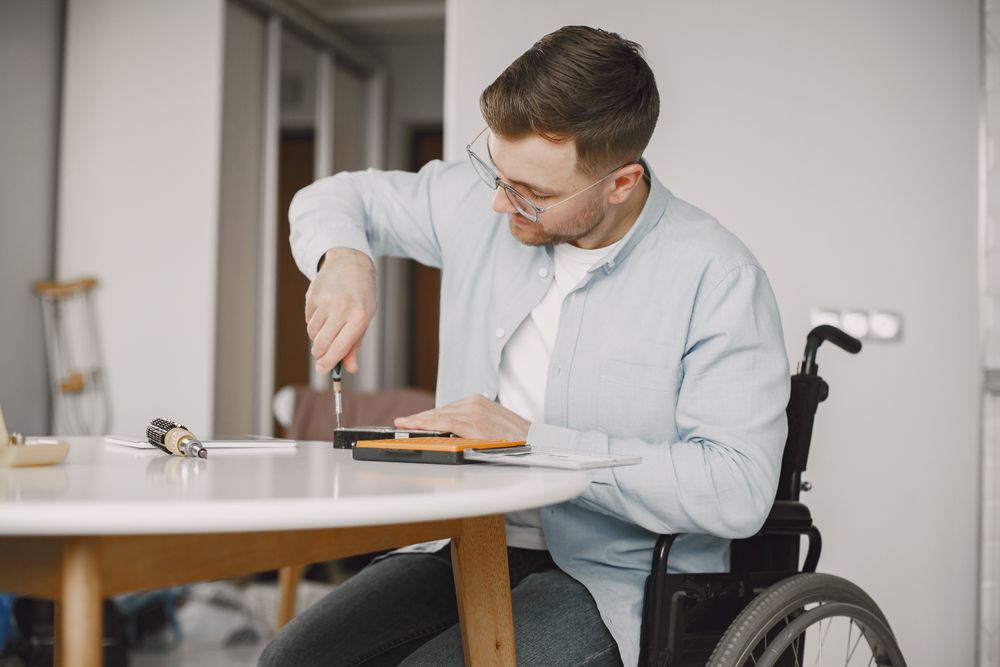
Many people face daily challenges after an unexpected illness or physical injury. Simple tasks like brushing teeth, cooking meals, or pouring a cup of coffee can suddenly feel like mountain climbs.
These struggles affect physical health and mental well-being. Regaining the ability to perform these everyday actions is the core goal of rehabilitation. Finding a clear path forward is important for recovery.
Exploring Therapy
Everyday routines define our lives and our sense of self. Utilizing professional Occupational Therapy Services can help individuals reclaim their routines after a major setback. This specialized care targets the specific obstacles that keep people from living their lives to the fullest.
These interventions target the small details of your day. Therapists look at how you move, think, and interact with your surroundings. They create a plan tailored to your personal goals and living space.
A customized approach helps make sure that no 2 treatment plans are identical. Patients receive guidance that matches their exact home environment and lifestyle needs.
Promoting Independence After Injuries
Recovering from a physical injury takes time and patience. Many people find themselves unable to perform basic movements they once took for granted.
A prominent healthcare network notes that specialized therapy programs assist people with physical injuries or developmental disorders to achieve optimal independence. The focus stays on practical progress rather than just general physical healing.
By practicing these steps in a safe environment, patients learn to navigate their physical limits. The therapy adaptation process turns massive obstacles into manageable daily goals. With steady practice, these small victories add up to significant lifestyle improvements.
Focusing On Daily Function And Adaptation
Physical healing is only part of the recovery equation. True recovery means being able to navigate your home and community without constant help. This means looking at how a person interacts with their tools and utensils.
An online medical resource explains that this approach looks beyond basic body movement to study how you function in daily situations. Therapists guide you as you adapt to your current abilities, recover your skills, and regain independence.
Learning new ways to hold a fork or open a jar can restore a sense of control. These minor adaptations reduce the need for constant caregiver assistance. Patients feel more empowered when they can complete tasks on their own terms.
Modifying The Home Environment
Adapting the physical space is a key part of reclaiming independence. Small adjustments can prevent accidents and make tasks much easier to complete. This preventative planning is highly useful for seniors living alone.
Simple changes in the home can create a much safer living space:
- Installing grab bars in the bathroom to prevent slips
- Removing loose rugs that might cause trips or falls
- Adding brighter lighting in hallways and staircases
- Using reacher tools to grab items from high shelves
These modifications allow individuals to move around their homes with less worry. They remove physical barriers that might otherwise limit daily activities. Making these environmental changes is a proactive step toward safer living.
Restoring Confidence Through Specialized Support
Regaining your footing after a life change can feel daunting. Having a professional guide can make a significant difference in your recovery journey. This support system helps people stay motivated during challenging moments.
An educational article highlights that specialized interventions in this field are designed to help individuals recover their independence. These tailored methods focus on building practical skills that directly improve daily life quality. As patients see progress in their daily routines, their mental outlook often improves.
Confidence grows with every task completed without assistance. Whether it is dressing in the morning or preparing a simple meal, every success builds self-esteem. This emotional boost is just as critical as physical recovery.
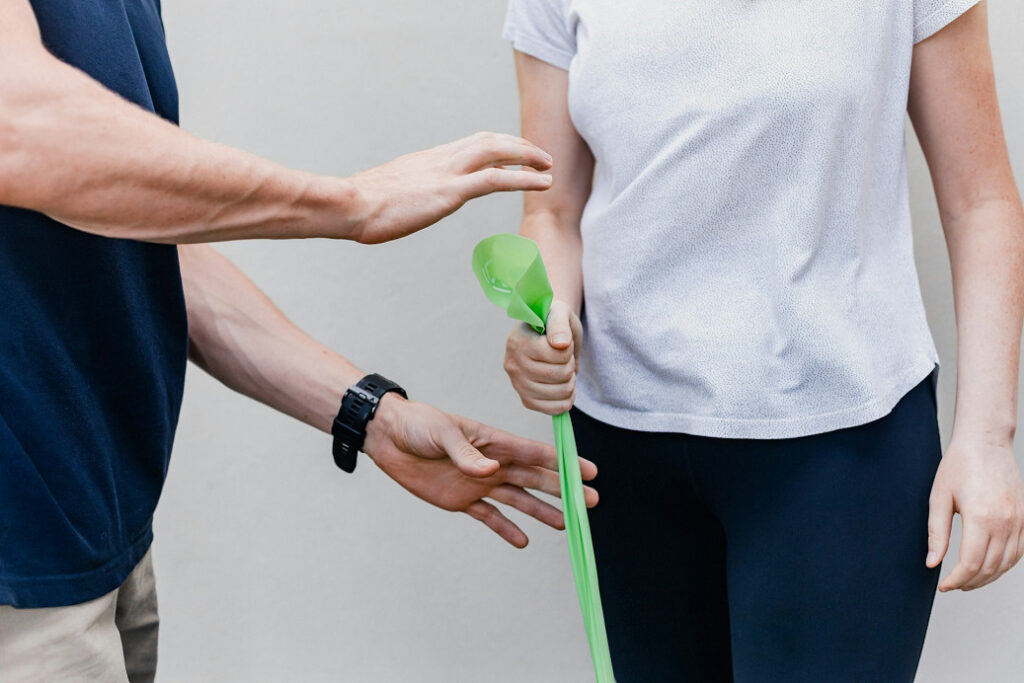
Supporting Long-Term Success
The ultimate goal of therapy is to build skills that last for years. Learning to adapt to new physical realities is a gradual process. It requires consistent effort and a willing mind.
Therapists teach strategies that patients can use long after their formal sessions end. This continuous application of learned skills helps prevent future injuries. It gives individuals the tools they need to face new challenges with confidence.
By focusing on long-term goals, therapy provides a roadmap for sustainable living. Patients learn to assess their own physical needs as their situations change. This ongoing self-assessment supports a lifetime of independence.
Reclaiming independence is a personal journey that looks different for everyone. With the right tools and guidance, daily tasks can become manageable once again.
Embracing these practical strategies helps people live life on their own terms. It offers a clear path toward a safer and more fulfilling lifestyle.


How Does Cost of Living Affect Alimony in 2026

Why Satellite Navigation Is a Vital Element Built into Luxury Yachts

Minnesota lawmaker’s killer sentenced to 2 life terms plus 40 years

Ex-West Virginia jail guard pleads guilty for beating inmates in camera blind spots
-

 World1 day ago
Houthis claim missile and drone attacks on 2 Saudi oil tankers in Red Sea
-

 Legal1 day ago
2 Indianapolis police officers shot during disturbance call
-

 Legal1 day ago
Puerto Rico man charged over threats to bomb White House, attack soldiers and Jewish people
-

 World1 day ago
Journalist shot dead in Mexico after blaming state government for death threats
-

 Legal1 week ago
Muslim mall worker critically injured in stabbing over his religion
-

 World1 day ago
Mexican mayor shot dead inside city hall
-

 World2 days ago
Death toll from Guyana ferry disaster rises to 53
-

 US News2 days ago
All 4 U.S. soldiers killed in Jordan and Iraq identified