
Reviews
Why Supportive Environments Enhance Senior Wellbeing

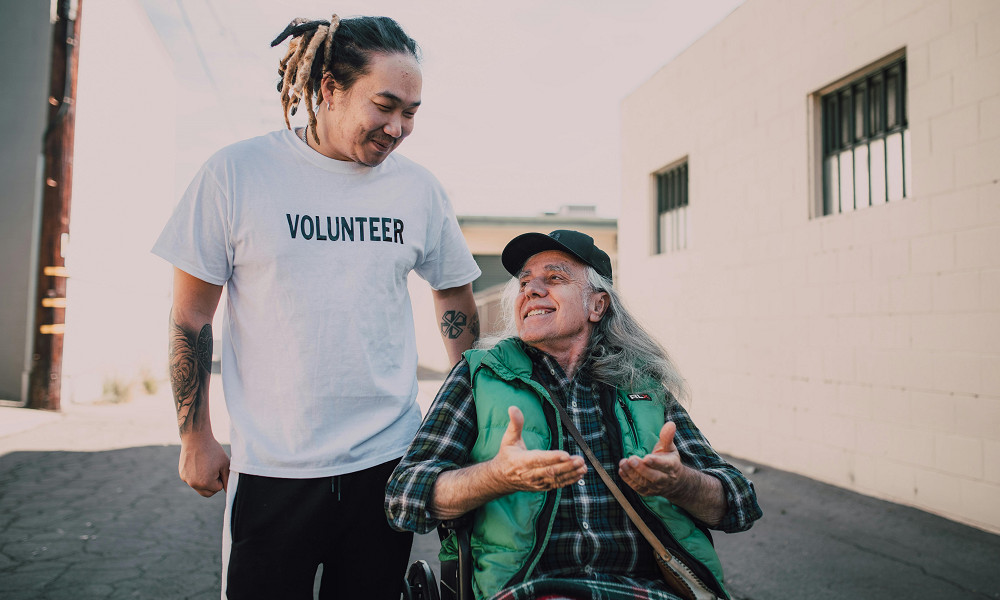
A positive environment is a crucial factor in senior well-being. But as people grow older, their needs change, so the ambience is vital to their comfort and well-being. Older adults are made to feel safe and welcome, where they can belong and receive encouragement. Together, they play a crucial role in maintaining physical, emotional, and mental well-being throughout the years.
Physical Safety and Accessibility
A supportive environment, such as the facilities at assisted living in Fort Lauderdale, prioritizes safety, reducing risks like falls or injuries. Simple modifications, like installing handrails or improving lighting, can prevent accidents and boost confidence. Accessibility features—such as ramps, wide doorways, and step-free paths—allow seniors to move freely and participate in their daily routines. When older adults feel secure, they tend to remain active and independent for longer periods.
Emotional Security and Belonging
Feeling included and valued is one of the most significant contributors to wellbeing. Safe spaces allow positive relationships and build emotional intimacy. Sharing common interests helps ease the sense of isolation — whether it is through participating in group activities or dining together.
Mental Health and Cognitive Engagement
Opening the mind to new experiences can help slow cognitive decline. The puzzles, reading materials, and games provide opportunities for mental activity and exploration. Supportive environments offer structured activities, such as art or music, that enhance daily living and stimulate cognitive function. These opportunities also provide a chance for creative and personal expression, which improves self-esteem.
Personal Autonomy and Choice
Maintaining some control over their daily routines makes older adults feel dignified and confident. Enabling environments also honor personal choices, as seniors make their own decisions about meals, hobbies, and daily routines. People are more satisfied when they are involved in decisions about their own care.
Healthy Nutrition and Mealtimes
Eating the right foods is a cornerstone of senior wellness. Access to balanced meals—including those that cater to personal tastes and dietary preferences—facilitates a supportive environment. Eating together helps build our social connections and makes meals a social event. Eating healthy with others not only benefits physical health, but also emotional health in older adults.
Physical Activity and Mobility
Staying active is also essential for maintaining your strength, flexibility, and balance. Encouraging environments promote physical activity through low-impact practices, walking trails, or fitness courses, along with group activities. Safe activity reduces muscle wastage and provides energy. Improved physical health boosts confidence and independence.
Emotional Support and Compassionate Care
Emotional well-being is enhanced when caregivers and staff express authentic care and empathy. A supportive environment enables team members to identify and understand how others are feeling and respond accordingly. Open communication and an ear that listens assure seniors that they are valued and worthy of respect. This provides solace during some of the most challenging times and helps maintain a positive perspective.
Community Connections and Purpose
Finding a sense of belonging and a greater purpose can feel like a breath of fresh air. Engaging in meaningful activities—whether gardening, storytelling, or volunteering—helps seniors feel connected and valued. These connections encourage participation and reinforce the idea that every person has something unique to contribute.
Personalized Support and Flexibility
Obviously, every one of us has different needs and wants. Such supportive environments provide care and services tailored to these differences, offering flexibility to respond to changing circumstances. Having individualized assistance ensures that one’s needs are understood and valued.
Technology and Communication
Technology can help bridge the distance between seniors and their families. Easy-to-use tools and digital learning sessions teach older adults how to connect through video calls, messaging, and other virtual platforms, reducing isolation and boosting happiness by keeping them engaged with loved ones. Technology also supports health monitoring, offering added peace of mind for both seniors and their families.
Conclusion
Safe, connected, dignified environments improve senior wellbeing and promote healthy aging. All of it—from the physical to the emotional—adds up to a better quality of life. The health and happiness of older adults are maintained when they feel safe, respected, and involved. All of these factors help create a positive atmosphere not just for seniors, but also for families and communities as a whole, which promotes togetherness and respect.


Death penalty possible in White House National Guard shooting case

5 women among 6 injured in targeted acid attack in Jersey City, New Jersey

U.S. strike kills 1 on alleged drug vessel in Eastern Pacific; 2 survive

Suspect and hostage dead after stolen vehicle pursuit in Oklahoma
-

 World1 week ago
Man seriously injured in attempted beheading in Northern Ireland
-

 World3 days ago
Tren de Aragua leader killed in U.S. strike in Venezuela
-

 World3 days ago
Woman dies after being thrown from bridge without bungee cord in Brazil
-

 Legal6 days ago
Arizona man convicted of threatening to kill Trump and Harris
-

 Legal6 days ago
Montana man charged with threatening Hawaii governor and his family
-

 Legal6 days ago
Man kills 4 family members at home in Livonia, Michigan
-

 US News1 week ago
Man attacked by shark at Florida Navy base
-

 Legal1 week ago
North Carolina teen sentenced for school shooting threats over Charlie Kirk posts