
Reviews
Motorcycle Crash Injuries Explained and What You Can Do to Minimize the Damage

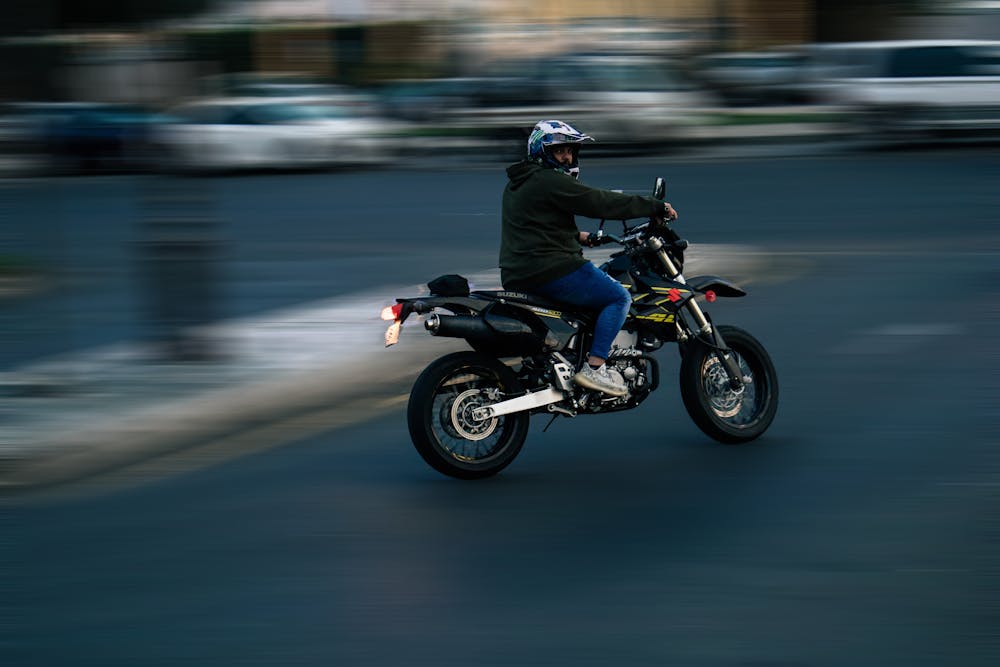
Every rider in Illinois knows the tradeoff: you get the freedom, the thrill, and the sense of movement that no car can give, but you also lose the steel shell that protects everyone else on the road. One second of distraction, one blind spot, and suddenly it’s your body against the pavement. This article is here to arm you with what too many motorcyclists only learn the hard way: what injuries happen, how to lower your odds of sustaining injury, and what to do when things go south.
Why Motorcycle Injuries Hit Harder
“Motorcyclists don’t get the luxury of minor accidents,” says attorney Michael McCready of McCready Law Injury Attorneys. “When they get hit, they absorb the full force, and the injuries are usually life-changing.”
If you’re on a motorcycle and you go down, it’s your body that hits the pavement—not a bumper, not a crumple zone, just you. Meanwhile, the person in the car has thousands of pounds of reinforced metal taking the blow for them. That’s one big reason motorcyclists are 28 times more likely to die in a crash than car occupants. Add in the fact that cars are heavier, wider, and far more stable, and the math gets grim swiftly.
Here are the most common injuries that result from motorcycle accidents:
Leg and foot fractures
Leg and foot fractures happen frequently because your lower limbs are right where the weight of the bike ends up. If you tip, they’re often the part that gets trapped between the pavement and hundreds of pounds of metal. Sometimes, the force alone is enough; other times, it’s the angle of the fall that snaps a bone.
Road rash and soft tissue injuries
Road rash is what happens when skin meets asphalt and keeps going. You fall and slide, usually at a high speed, and the road scrapes off layers of skin like sandpaper. It’s one of the most common injuries because even a low-speed crash can send you skidding across the pavement with nothing between you and the ground.
Head trauma
A helmet can reduce the risk of head trauma, but it doesn’t erase it. When a rider’s head slams into the pavement, even at moderate speed, the brain shifts inside the skull. That’s what causes a concussion or worse. In crashes where the rider isn’t wearing a helmet at all, the outcome can be tragic.
Wrist, arm, and shoulder injuries
While it’s natural to extend your arms to protect yourself, the high speeds of most motorcycle crashes can result in a fractured wrist, a dislocated shoulder, or both. It’s one of the most common upper-body injury patterns because the arms go to work before the rest of you hits the ground.
Spinal injuries and internal damage
Internal and spinal injuries are dangerous partly because they’re quiet: no blood, no visible wound. However, inside, you could be bleeding, or your spine could be fractured, and you wouldn’t know until hours later. That’s why many riders who “walk away fine” end up in the hospital the next day.
What Riders Can Do to Stay Safe
You can’t control what other drivers do, but you can control how protected you are if something goes wrong. Here’s what you should do:
- Wear the right helmet: No helmet can erase the laws of physics, but it can drastically soften the blow. Riders who wear them are far more likely to survive head-first impacts and even more likely to avoid lifelong brain trauma.
- Use full gear: T-shirts, sneakers, and shorts might be comfortable, but they’re useless in a crash. Real gear is built to slide, absorb, and protect. You would rather not find out how fast regular clothes disappear when put up against pavement.
- Watch the weather: If the radar shows incoming wind, lightning, or heavy rain, that’s a sign to delay your ride.
- Stay visible: Staying visible is one of the simplest and most effective ways to reduce risk. Reflective tape, bright jackets, and daytime running lights—all of these make you harder to miss in a driver’s periphery.
- Ride defensively: Ride like every car might swerve, stop short, or blow through a light, because sometimes, they do. Stay alert, leave space, and never assume others are paying attention.
Conclusion
You don’t have to face the consequences alone if someone else’s negligence has wounded you in a motorbike accident. A personal injury attorney can help you pursue compensation for your injuries, lost income, and more.


U.S. rescuers pull mother and baby alive from Venezuela earthquake rubble

Germany breaks national all-time heat record amid European heatwave

Syria sends its 1st international rescue team to Venezuela after earthquakes

Several injured in shooting in suburban Cincinnati
-
 World1 week ago
5 injured in suspected anti-Muslim attacks in Scotland’s capital
-

 Business1 week ago
Ubisoft co-founder Claude Guillemot killed in France plane crash
-
 World14 hours ago
Germany breaks national all-time heat record amid European heatwave
-
 US News1 week ago
Hot air balloon with 10 on board crashes in Nevada; several injured
-

 Legal4 days ago
Texas Amber Alert: 14-year-old Audrey Rich abducted in Big Springs
-
 Legal6 days ago
6 killed in New York motel fire; man arrested on arson charges
-

 Legal6 days ago
2 more arrested in alleged plot to attack UFC event at White House
-

 World3 days ago
Netherlands issues 1st-ever code red warning for extreme heat