
Health
Dental Health Tips for Athletes and Sports Professionals

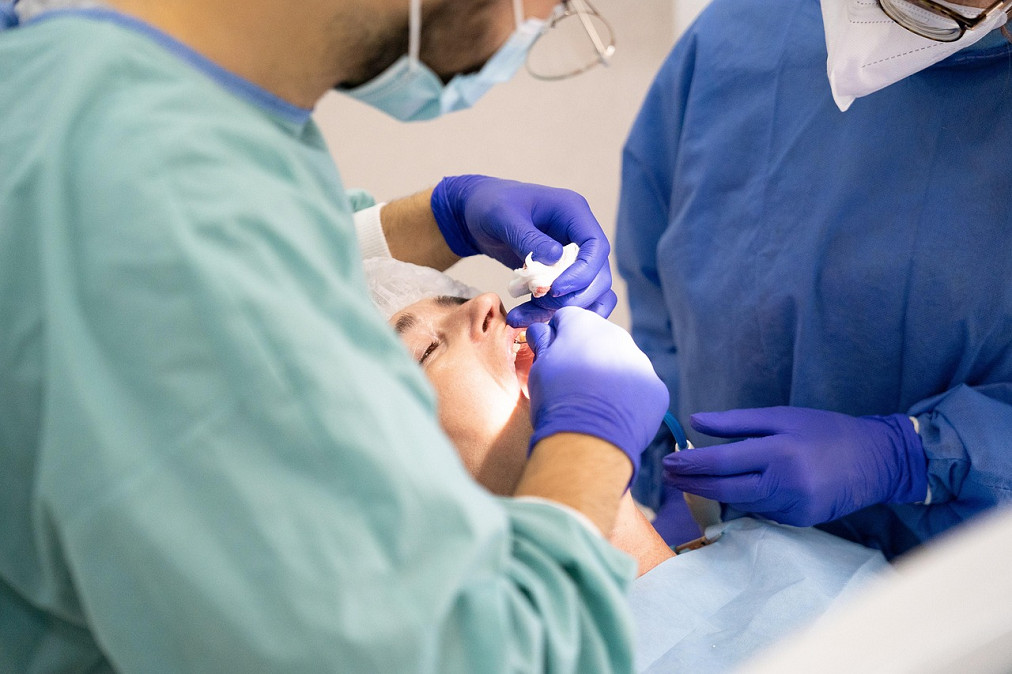
Maintaining a healthy mouth is essential for anyone, but sports professionals face unique environmental, dietary, and physiological challenges that put their teeth at substantial risk. Neglecting oral hygiene can lead to chronic discomfort, systemic inflammation, and a measurable decline in overall athletic output. Addressing these risks proactively allows competitors to protect both their bright smiles and their hard-earned athletic careers.
The High Prevalence Of Oral Diseases In Athletes
Many competitors are surprised to learn that elite training environments can negatively affect oral tissue and alter the chemical balance of the mouth. There is a remarkably high prevalence of oral diseases in elite athletes. The data reveal that dental caries affects between 20% and 84% of these individuals, while dental erosion impacts approximately 42% to 59% of the surveyed group.
The same research highlights that gingivitis is incredibly widespread, occurring in 58% to 77% of sports professionals, and periodontal disease is actively present in 15% to 41% of cases. Such statistics demonstrate that intense training loops do not automatically shield an individual from severe dental decay or gum infections. Instead, the grueling daily routines and associated lifestyle factors might actually contribute to these alarming dental conditions.
Understanding these specific risks serves as the first major step toward building a better preventative care model for competitors worldwide. Competitors must realize that exceptional physical fitness does not equate to exceptional oral health without targeted, conscious daily intervention.
Understanding The Risks Of Dehydration And Dry Mouth
During strenuous workouts and prolonged training sessions, athletes naturally breathe heavily through their mouths, which rapidly evaporates existing saliva. Saliva serves as the primary natural defense system of the oral cavity, washing away food particles and neutralizing harmful bacterial acids. When salivary flow drops significantly during exercise, teeth are left highly vulnerable and unprotected against rapid bacterial proliferation.
- Prolonged dehydration further exacerbates this condition by reducing the body’s fluid levels, which compromises saliva production even long after the workout ends.
- Without adequate moisture, harmful bacteria multiply at an accelerated rate, clinging to the enamel surfaces and initiating the decay process.
- Chronic dry mouth creates an ideal environment for plaque buildup, enamel softening, and subsequent cavity formation.
Mitigating this specific physical hazard requires consistent hydration strategies executed before, during, and immediately after every training session. Drinking plenty of plain, clean water helps keep the mouth moist and stimulates the natural flow of protective saliva.
Scheduling Regular Checkups With Your Dentist
Professional dental cleanings and regular clinical examinations are essential for detecting early signs of decay and erosion before symptoms manifest. Dentists can easily identify subtle changes in enamel density and provide targeted treatments like therapeutic fluoride varnishes. Early detection prevents minor issues from escalating into complex procedures that require extensive, painful recovery time.
Building a strong relationship with a trusted dental team ensures that your specific athletic risks are constantly monitored and managed. Professionals can provide tailored advice on sports nutrition, specific hydration habits, and specialized custom mouthguard designs. Finding a clinic that understands the unique demands of your lifestyle allows you to enjoy The Very Best Dental Experience while securing your long-term physical health.
Routine preventive visits should be scheduled during the off-season to avoid any unnecessary disruption to intensive training or competition calendars. Prioritizing these routine appointments ensures that your teeth remain exceptionally strong and resilient throughout the entire competitive year.
Managing The Impact Of Sports Drinks And Carbs
Active individuals frequently rely on energy gels, chewable carbohydrates, and specialized sports drinks to sustain their energy levels over long periods. While these products provide the necessary calories and electrolytes for endurance, they are often packed with refined sugars and highly corrosive citric acids. Frequent consumption means that teeth are constantly bathed in substances that actively break down dental structures.
The combination of an exercise-induced dry mouth and acidic fuel creates a highly destructive storm for vulnerable dental enamel. Acidity weakens the outer protective layer of the tooth, making it highly susceptible to rapid erosion and deep, painful cavities. Sticky energy gels are particularly problematic because they adhere to the deep grooves of molars for extended periods.
Preventing Dental Trauma With Proper Mouthguards
Contact sports and high-velocity activities pose an immediate and obvious threat to the physical structure of the mouth and jaw. A single unexpected collision on the field can result in fractured teeth, painful lip lacerations, or complete tooth avulsion. Wearing appropriate protective oral gear is absolutely non-negotiable for anyone participating in high-impact or recreational sports.
Custom-fabricated mouthguards offer the highest level of protection compared to generic, store-bought, over-the-counter options available to the public. A properly fitted guard distributes the force of an impact evenly across the entire dental arch, minimizing localized trauma to individual teeth. A good fit ensures that breathing and verbal communication remain completely unobstructed during intense athletic play.
Maintaining A Strict Daily Oral Hygiene Routine
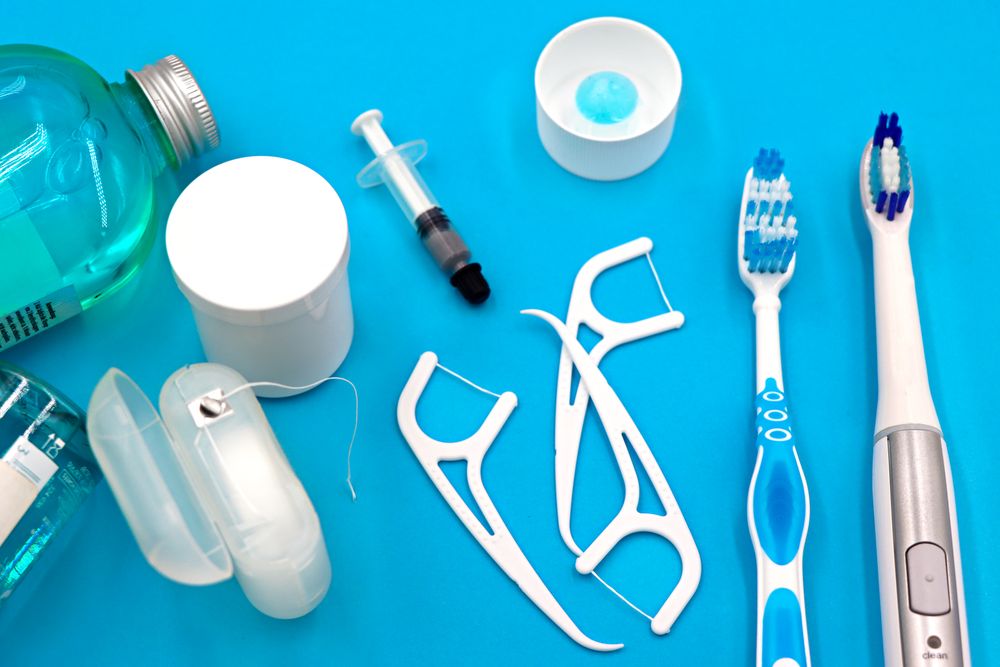
Standard brushing and flossing routines form the baseline defense against the unique physical pressures of intense athletic training. Brushing twice a day with high-quality fluoride toothpaste helps rebuild weakened enamel and effectively removes accumulated plaque matrix. Developing a consistent morning and nightly routine prevents minor bacterial buildup from turning into severe, deep-seated dental decay.
Flossing daily removes trapped food debris and sticky plaque from areas that a traditional toothbrush simply cannot reach. Neglecting the tight spaces between teeth allows gingivitis to develop, which can eventually progress into painful and destructive periodontal disease. Dedicating a few minutes each day to thorough interdental cleaning safeguards the foundational health of the supporting gums.
Balancing intense physical training with meticulous oral care is absolutely vital for every serious sports professional and casual athlete. Protecting your teeth from the dual threats of physical trauma and biochemical erosion guarantees that your body functions optimally. A healthy smile serves as a strong, undeniable foundation for overall physical excellence and systemic health.
Ultimate athletic success requires dedication to every aspect of physical health, including the often-overlooked and neglected oral cavity. By adopting smart daily habits, using professional protective gear, and seeking expert care, athletes can maintain peak form without interruption. Commit to your dental health today to protect your athletic performance tomorrow.


At least 164 people killed in Venezuela earthquake, more than 12,000 missing

U.S. strike kills senior ISIS leader in northwest Syria

Massive fire burns through commercial building in eastern Pennsylvania

D.C. man convicted of murder in shooting that began with argument over grill
-

 World5 days ago
5 injured in suspected anti-Muslim attacks in Scotland’s capital
-

 Business5 days ago
Ubisoft co-founder Claude Guillemot killed in France plane crash
-

 World1 week ago
Reporter for Iranian state TV says Israeli drone targeted him in Lebanon
-

 Legal1 week ago
2 men charged in separate threats to kill Trump
-

 US News7 days ago
Hot air balloon with 10 on board crashes in Nevada; several injured
-

 Legal1 week ago
Death penalty possible in White House National Guard shooting case
-

 Legal2 days ago
6 killed in New York motel fire; man arrested on arson charges
-

 Legal3 days ago
2 more arrested in alleged plot to attack UFC event at White House