
Reviews
How Businesses Rebuild After Major Natural Disasters

When a severe storm or flood hits a commercial district, the immediate aftermath can look completely overwhelming. Company owners face a long list of sudden challenges to protect their investments and support their staff.
Navigating this path requires immediate decisions and clear long-term planning. Taking the correct steps early helps operations resume smoothly and protects the local economy.
Assessing Immediate Property Damage
Owners need to inspect the physical site as soon as local officials declare the area safe. Taking clear photographs of every damaged structure helps document the losses accurately.
This initial record provides proof for insurance adjusters later. Many companies quickly hire a team specializing in commercial disaster restoration to prevent further deterioration of the building. This immediate intervention stops mold growth and secures structural elements before secondary issues arise. Property preservation remains a primary objective during this initial week.
Moving salvageable electronics and equipment to a dry warehouse prevents extra inventory loss. Team members should avoid entering compromised spaces without proper safety gear. Keeping a detailed inventory log helps track items moved off-site.
Implementing Continuity Strategies
Maintaining basic communications with clients keeps the market share steady during a crisis. A local government guide mentioned that every company needs an operational continuity framework prepared. Having these backup protocols ready helps teams pivot without massive delays.
Remote work setups allow office staff to continue managing projects from safe locations. Cloud computing services let employees access critical files without needing physical office servers. Digital tools keep the revenue pipeline moving forward.
Small operations often shift their customer support to temporary hotlines to stay reachable. Clear messaging on public web portals informs patrons about modified hours of operation. Consistency builds confidence among regular buyers.
Securing Temporary Workspaces
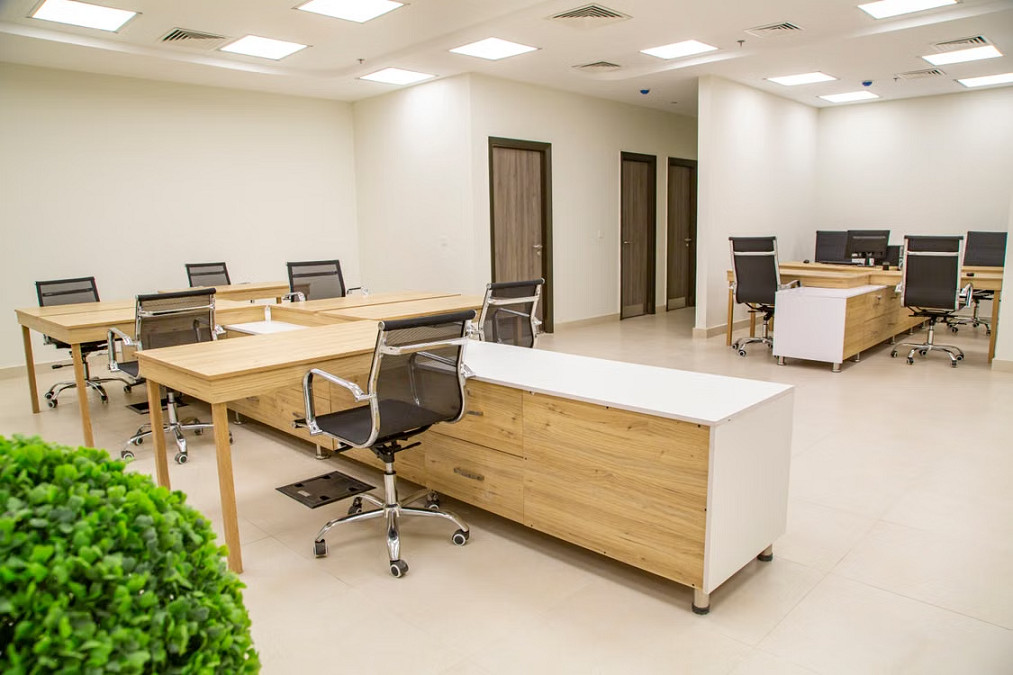
When the main headquarters requires extensive repairs, finding an alternate site becomes a pressing need. Short-term commercial leases offer 3-month solutions for displaced staff members. Sharing space with partner firms can alleviate immediate real estate pressures.
Mobile offices supply immediate desks and electricity on or near the original property. These temporary units keep management close to the rebuilding site. Having a physical footprint keeps the local community aware that operations remain active.
Retaining a visible presence prevents customers from migrating to competitors during the rebuild. Local zoning codes sometimes offer leniency for temporary setups after regional emergencies. Checking with municipal offices clarifies available options.
Leveraging Community Recovery Resources
Regional networks frequently offer financial aid packages and advisory services to impacted establishments. An economic development report explained that regions protect their financial systems by implementing innovative mitigation and recovery plans. These local strategies offer structural support during vulnerable periods.
Federal grants provide necessary funding for rebuilding structural foundations and hiring manual labor. Low-interest loans under $50,000 help bridge the gap between insurance payouts and actual repair bills. Accessing these programs requires careful paperwork and patience.
Business associations organize joint marketing campaigns to draw foot traffic back to hard-hit zones. Working together helps individual shops share the high cost of regional advertising. Collective resilience speeds up the financial stabilization of the entire neighborhood.
Evaluating Infrastructure Upgrades
Rebuilding presents a rare opportunity to improve structural resilience against future weather patterns. Upgrading roofing materials protects the interior from future high-wind occurrences. Installing reinforced windows mitigates the threat of flying debris during major storms.
- Elevating electrical panels prevents water damage from rising floods.
- Installing backup generators provides immediate power during grid failures.
- Upgrading drainage systems diverts heavy rainfall away from foundations.
These physical improvements lower future insurance premiums. Investing in premium materials reduces long-term maintenance liabilities. Modernizing the floor plan can boost regular operational flow.
Managing Supply Chain Disruptions
Disasters often stall transport networks, delaying the arrival of critical inventory. Sourcing stock from alternative regional vendors keeps shelves full when main suppliers face delays. Creating diverse procurement pathways cushions the establishment against sudden transport halts.
Keeping extra baseline inventory stored in separate warehouses mitigates regional shipping blocks. Clear communication with logistics partners helps predict delivery timelines accurately. Flexible ordering systems let managers adjust quantities based on immediate demand, saving capital.
Informing clients about potential shipping delays protects corporate reputation. Transparency builds customer patience when regional shipping routes face unexpected backlogs. Digital tracking tools let buyers monitor their purchases in real time.
Supporting Workplace Team Members
Employee safety and well-being remain paramount during post-disaster transitions. Offering flexible scheduling helps workers manage personal storm damage at home without penalties. Providing mental health resources assists staff in coping with severe stress.
Transparent updates about company recovery efforts reduce workplace anxiety. Staff meetings held via digital applications keep everyone aligned on reopening timelines. Clear guidance regarding compensation during temporary closures maintains internal trust.
Re-training employees on updated emergency safety drills prepares the team for future crises. Simple adjustments to workplace duties prevent individual burnout during intense rebuilding phases. Appreciating staff contributions creates a unified workforce.

Reconstructing a commercial enterprise after a severe disaster demands immense patience and structured coordination. Every calculated step helps stabilize the foundation for a stronger commercial future.
By utilizing local resources and executing clear recovery plans, firms return to full productivity. Resilience transforms a major crisis into a moment of strategic renewal.



-

 World5 days ago
5 injured in suspected anti-Muslim attacks in Scotland’s capital
-

 Business6 days ago
Ubisoft co-founder Claude Guillemot killed in France plane crash
-

 Legal1 week ago
2 men charged in separate threats to kill Trump
-
 US News1 week ago
Hot air balloon with 10 on board crashes in Nevada; several injured
-

 Legal1 week ago
Death penalty possible in White House National Guard shooting case
-

 Legal2 days ago
Texas Amber Alert: 14-year-old Audrey Rich abducted in Big Springs
-
 Legal3 days ago
6 killed in New York motel fire; man arrested on arson charges
-

 Legal3 days ago
2 more arrested in alleged plot to attack UFC event at White House