
Reviews
How Retractable Fly Screen Mechanism Quality Determines Whether the Product Still Works Smoothly at Year Three

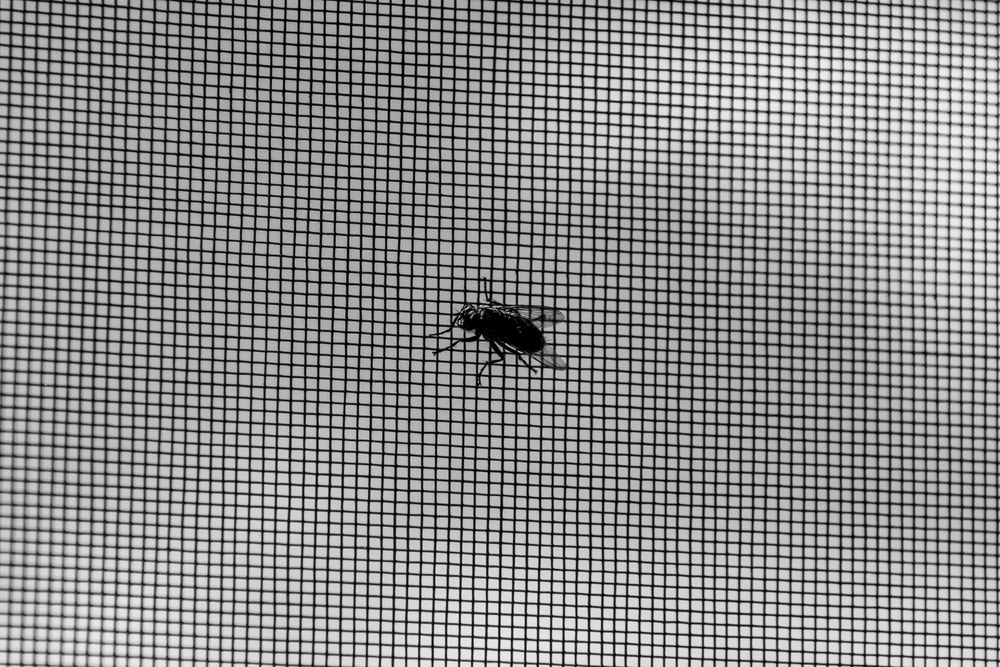
A retractable fly screen that operates smoothly on installation day and develops resistance, sticking, or failure to retract fully within the first two years is not experiencing premature wear in the conventional sense. It’s experiencing the predictable outcome of a mechanism quality that the installation day performance didn’t reveal because the variables that determine long-term mechanism function aren’t apparent when everything is new, lubricated from the factory, and hasn’t yet been through the thermal cycling, UV exposure, and repeated operation cycles that reveal what the mechanism was actually built to handle. The performance at year three is a more accurate representation of the product than the performance on day one, and understanding what determines that year-three performance changes how the product gets evaluated before purchase.
What the Cassette Housing Does to Long-Term Function
The cassette housing that contains the retractable screen’s spring mechanism and mesh roll is the component whose construction quality most directly determines how the screen performs across years of operation. A cassette built to close tolerances from materials that maintain their dimensional stability across temperature variation produces consistent spring tension and consistent mesh alignment through repeated extension and retraction cycles. One built to looser tolerances from materials that expand and contract with temperature cycles produces the misalignment and binding that develops gradually and then suddenly becomes the dominant experience of using the product.
Thermal cycling is the variable that most consistently separates cassette housing quality across the performance gap that becomes apparent over time. An Australian summer produces significant temperature variation between a wall-mounted cassette in direct sun and the same cassette in early morning shade, and that variation happens daily across the product’s service life. A cassette housing material that handles that cycling without dimensional change maintains its mechanism alignment. One that doesn’t produces the gradual degradation that owners describe as the screen getting harder to use over time without any single event that caused the change.
How Spring Tension Calibration Affects the Retraction Experience
The spring that drives mesh retraction in a retractable window fly screen is a precision component whose calibration determines whether the screen retracts smoothly and fully or retracks unevenly and incompletely. A spring calibrated to the correct tension for the screen’s mesh weight and width produces retraction that’s consistent across the screen’s full extension range. One calibrated incorrectly, or one whose tension changes as the spring fatigues across operation cycles, produces the partial retraction and the screen that doesn’t quite make it back into the cassette that becomes a daily annoyance.
Spring fatigue is a material and design variable that quality mechanisms address through spring material selection and coil geometry that maintains calibrated tension across the operation cycle count the product is designed for. Budget mechanisms use springs whose fatigue characteristics weren’t matched to the expected operation count, and the tension loss that results shows up in retraction performance that degrades progressively across the product’s service life.
What the Track and Brush Seal System Contributes
The tracks that guide the screen’s travel and the brush seals that maintain contact between the screen edge and the track surface are the components whose condition determines both the screen’s insect exclusion effectiveness and its operating smoothness across years of use. Track geometry that maintains consistent contact with the screen edge guide across the full range of extension and retraction produces smooth operation and consistent seal performance. Track geometry that allows the screen edge to lift away from the brush seal at specific points in the travel range produces both an insect exclusion gap and the lateral instability that makes the screen feel imprecise to operate.
Brush seal condition degrades with UV exposure and with the abrasion of repeated screen travel across the seal surface, and the brush material specification determines how quickly that degradation occurs. A brush seal material that maintains its fiber density and flexibility across years of UV exposure and operational wear produces consistent seal performance at year three. One that becomes brittle and compressed within the first year produces an insect exclusion gap and a loss of the lateral guidance that a fresh brush seal provided.
Where the Locking and Tensioning Adjustment Provisions Matter
A retractable fly screen mechanism that provides field-adjustable spring tension and track alignment addresses the gradual drift that occurs in any mechanical system across years of operation. The ability to restore the mechanism’s calibration without replacement extends the product’s effective service life and maintains the performance that installation day represented. A mechanism without adjustment provisions reaches the point where restoration requires replacement, and the timeline to that point reflects the mechanism’s original quality and the environmental conditions it operated in.


4-year-old killed, toddler and mother critically injured in Jacksonville shooting

7 sentenced in Texas detention center attack that wounded officer

1 missing after U.S. Navy helicopter goes down in Arabian Sea

9-story building partially collapses in Kyiv during Russian attack
-

 World5 days ago
Germany breaks national all-time heat record amid European heatwave
-

 World4 days ago
14 killed in Saudi oil company helicopter crash
-

 US News4 days ago
Texas deputy killed by truck at drunk-driving crash scene
-

 World4 days ago
Poland breaks its national heat record amid European heatwave
-

 Legal1 week ago
Texas Amber Alert: 14-year-old Audrey Rich abducted in Big Springs
-

 World3 days ago
3 Ukrainians injured in suspected package bomb attack in Monaco
-
 Legal14 hours ago
4-year-old killed, toddler and mother critically injured in Jacksonville shooting
-
 Legal1 week ago
6 killed in New York motel fire; man arrested on arson charges