
Reviews
Why Humans Are Drawn to Games of Chance

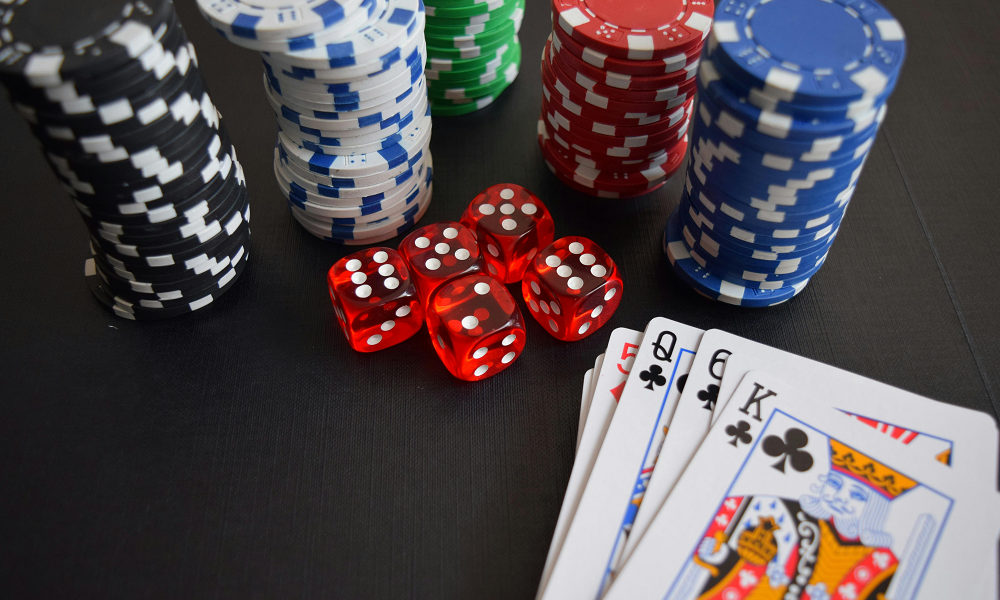
From lottery tickets to coin flips, humans have always been fascinated by chance. Even in a world ruled increasingly by data and logic, people across cultures and backgrounds continue to engage with randomness, whether through a casual game of poker or a weekend raffle. But what exactly is it about chance that captivates us?
At the heart of the fascination is a deep psychological connection between uncertainty, hope, and the thrill of not knowing what comes next. While games of chance take many forms, they all appeal to the same core elements of human nature.
The Thrill of Unpredictability
Uncertainty triggers a unique psychological response in the brain. In fact, studies show that the mere anticipation of a possible reward, even if it’s unlikely, can release dopamine, the brain’s feel-good chemical. This isn’t exclusive to winning; the build-up, the “what if,” is often what people chase from digital entertainment platforms like Tooniebet.
Unlike activities where effort directly results in outcomes like studying for a test or practicing a sport, games of chance strip away control. The randomness itself becomes the draw. For some, this unpredictability brings a welcome break from routines.
Hope in Small Packages
Games of chance also offer hope. A scratch ticket or a numbered ball drawn from a machine can momentarily shift a person’s focus from the limitations of their everyday life to the possibilities of something better. This doesn’t mean people expect to win; most know the odds aren’t in their favour, but that sliver of hope can still be powerful.
In this way, chance becomes a symbol of possibility. It provides a short-lived escape from certainty and control. Whether someone is hoping for financial relief, excitement, or just a fun distraction, the possibility, even if remote, is what draws them in.
A Long History of Chance
Archaeological evidence shows that humans have been using dice-like objects for over 5,000 years. Ancient civilizations in China, Greece, Egypt, and Rome all developed systems of gaming and lotteries not only for entertainment but sometimes for making serious decisions or religious purposes.
These early games weren’t just about winning; they were tied to fate, gods, and the mysteries of the universe. In some cultures, randomness was a way to divine answers from a higher power. Even today, the language around chance often echoes this history. Phrases like “the luck of the draw” or “it’s in the cards” reflect a sense of destiny wrapped in randomness.
Social Bonding Through Play
Games of chance are often social activities. Whether gathered around a table playing cards or comparing numbers on lottery tickets at the office, there’s a shared experience in playing. That collective anticipation builds camaraderie, and win or lose, it becomes a story.
Social connection adds an important layer to the appeal. Engaging in games of chance can create rituals and bonding moments. In group settings, even small wins or shared losses spark conversation and laughter.
Chance vs. Control
Interestingly, one reason people seek out games of chance is that they don’t require skill or control. In contrast to many areas of life that demand planning, effort, and consistency, games of chance level the playing field. Anyone could win or lose regardless of their background or experience.
This contrast can be liberating. Randomness offers a brief mental reset in a world that often rewards productivity and logic. It reminds us that not everything can be predicted or controlled and that sometimes, it’s okay to simply let go.
The Line Between Fun and Risk
For some, the appeal of risk can turn into unhealthy patterns, especially when money is involved. That’s why education around responsible gaming and awareness of the warning signs of gambling-related harm is so important.
Understanding why we’re drawn to chance doesn’t mean avoiding it entirely it just means being conscious of the role it plays in our lives. Like any form of entertainment, games of chance are best enjoyed with balance, perspective, and boundaries.
Final Thoughts
At a glance, games of chance may seem simple just a toss of dice or a flip of a card. But the truth is, they speak to something deeper: our love of surprise, our hope for something better, and our appreciation of the unexpected. In small doses, and with healthy boundaries, they can offer a safe way to explore uncertainty and connect with others through shared experience.


Poland breaks its national heat record amid European heatwave

U.S. rescuers pull mother and baby alive from Venezuela earthquake rubble

Germany breaks national all-time heat record amid European heatwave

Syria sends its 1st international rescue team to Venezuela after earthquakes
-

 World1 week ago
5 injured in suspected anti-Muslim attacks in Scotland’s capital
-
 World21 hours ago
Germany breaks national all-time heat record amid European heatwave
-

 Business1 week ago
Ubisoft co-founder Claude Guillemot killed in France plane crash
-

 US News1 week ago
Hot air balloon with 10 on board crashes in Nevada; several injured
-

 Legal4 days ago
Texas Amber Alert: 14-year-old Audrey Rich abducted in Big Springs
-

 Legal6 days ago
6 killed in New York motel fire; man arrested on arson charges
-

 Legal6 days ago
2 more arrested in alleged plot to attack UFC event at White House
-

 World3 days ago
Netherlands issues 1st-ever code red warning for extreme heat