
Reviews
How Do Adults Choose Between Braces and Invisalign?

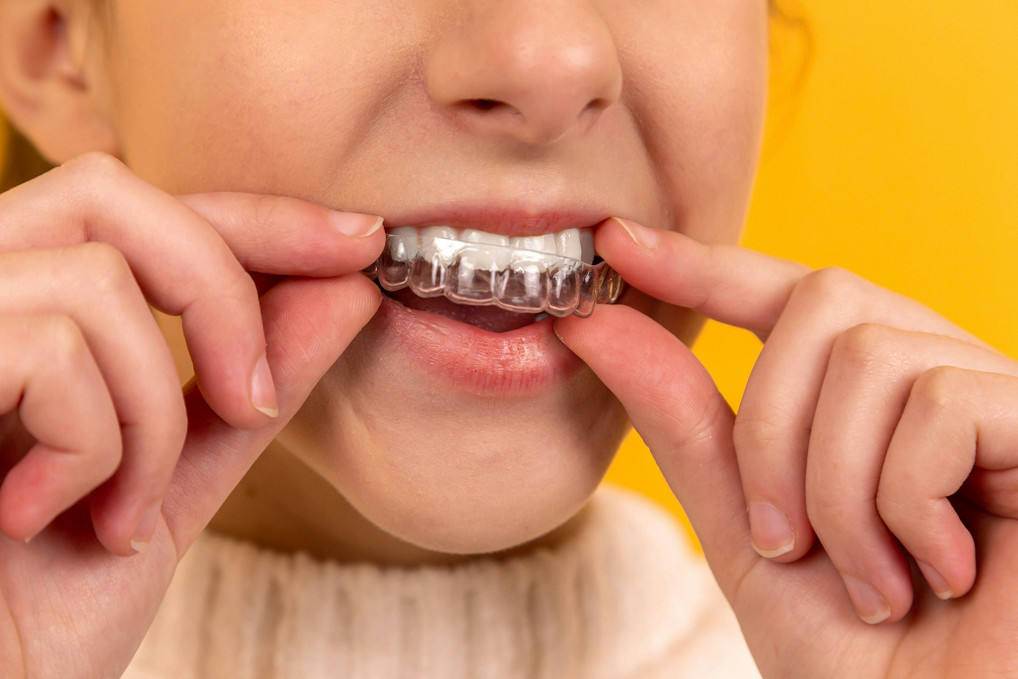
Straight teeth are no longer just a teenage project. Adults now make up roughly 1 in 3 orthodontic patients, a share that keeps climbing. Better technology and a focus on confidence are driving the shift.
The first question most adults ask is braces or clear aligners. In South Florida, many book a consultation with an orthodontist such as Sun Orthodontist Hialeah to weigh the options against their own teeth. The right answer depends on the goal, the bite, and the lifestyle.
Why Are So Many Adults Getting Treatment Now?
Attitudes have changed fast. A straighter smile is widely seen as an investment in health and confidence, not vanity. Adults increasingly feel free to fix what has bothered them for years.
Technology removed the biggest barrier. Clear aligners are removable trays that gradually straighten teeth, and they let adults treat discreetly. That discretion suits professional and social life in a way old metal braces did not.
Health plays a part too. Straight teeth are easier to clean, which lowers the risk of decay and gum disease. Fixing a bite can also ease jaw strain and uneven wear.
Everyday life nudges people as well. Remote work and constant video calls put adult smiles on screen more than ever. For many, that visibility is the final push to finally start treatment.
What Is the Difference Between Braces and Aligners?
The two systems move teeth in different ways. Braces are fixed brackets and wires bonded to the teeth. Aligners are a series of clear, removable trays swapped every week or two.
Malocclusion is a misalignment of the teeth or bite, and both systems treat it. Guidance comparing aligners versus braces stresses that neither is universally better. The right tool depends on the specific correction needed.
Control is the key contrast. Braces give an orthodontist precise, three-dimensional control for complex cases. Aligners excel at mild to moderate correction with far more discretion.
How Do They Compare On Time and Daily Life?
Treatment time varies by system and complexity. Mild to moderate aligner cases often run 12 to 18 months, while braces at similar complexity run 18 to 24 months. Severe cases can extend either option.
Cost sits alongside time in the decision. Both options land in a similar range for comparable cases, though complex work costs more. Many clinics offer monthly financing, which makes either route easier to budget across a year or two.
Daily life is where many adults decide. A short list captures the trade-offs.
- Appearance. Aligners are nearly invisible, while braces are visible on the teeth.
- Eating. Aligners come out for meals, so no foods are off-limits.
- Cleaning. You brush and floss normally with aligners, unlike around brackets.
- Discipline. Trays must stay in 20 to 22 hours a day to work.
- Appointments. Braces often need more frequent in-office adjustments.
Which Option Handles Complex Cases Better?
Not every smile is a candidate for aligners. Braces are the stronger choice for large corrections and stubborn movements. An overbite is when the upper front teeth overlap the lower ones too far, and severe versions often respond better to fixed braces.
Rotations and vertical movement also favor braces. Their mechanical grip moves teeth in ways trays sometimes cannot. A skilled orthodontist can predict which cases need that extra control.
Aligners keep improving, and small tooth-colored attachments now extend what they can do. Even so, the most complex bites still lean toward fixed braces. The gap between the two systems narrows a little each year.
Both approaches share the same goal, a healthy and aligned bite. A quick review of orthodontic treatment basics helps set expectations before a consultation. The path there simply differs by case, and a professional assessment settles the question fast.
How Do You Pick the Right Orthodontist?
The provider matters as much as the appliance. Look for a specialist orthodontist, not just a general dentist offering aligners. Treating your smile as part of your overall health routine means choosing real expertise.
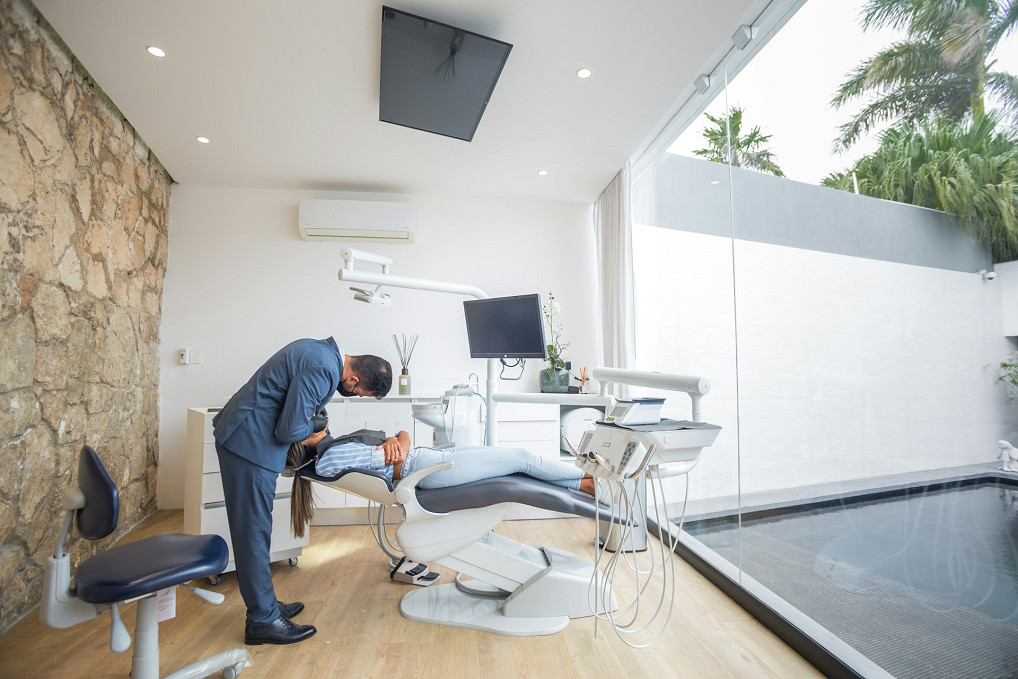
A good consultation should feel unhurried. The orthodontist should examine your bite, explain both options, and give an honest timeline and cost. Watch for a few green flags.
- Credentials. Confirm formal orthodontic specialty training.
- Options. A good clinic offers both braces and aligners.
- Transparency. Clear pricing and financing without pressure.
- Aftercare. A retainer plan to protect the result.
What to Keep In Mind
- Adults now make up about 1 in 3 orthodontic patients.
- Braces offer precise control for complex or severe corrections.
- Clear aligners are discreet and removable, ideal for mild to moderate cases.
- Aligners must be worn 20 to 22 hours a day to work.
- Treatment often runs 12 to 18 months for aligners, longer for braces.
- Choosing a trained specialist orthodontist matters more than the appliance.
The Smile Worth Investing In
For adults, the choice between braces and aligners is rarely about which is best overall. It is about which fits your bite, your budget, and your daily life. A trained orthodontist turns that decision into a clear, confident plan.
FAQ
Is Invisalign as Effective as Braces?
For mild to moderate cases, clear aligners work very well and discreetly. Braces remain stronger for complex corrections and large movements. An orthodontist can tell you which suits your bite.
Are Adults Too Old for Braces?
No. Teeth can be moved at almost any age with healthy gums and bone. Adults of every age, including older patients, complete treatment successfully every year.
How Long Does Adult Orthodontic Treatment Take?
Mild to moderate aligner cases often run 12 to 18 months. Braces at similar complexity usually run 18 to 24 months. Severe cases can take longer with either system.
Does Straightening Teeth Improve Health?
Yes. Straight teeth are easier to clean, lowering the risk of decay and gum disease. Correcting a bite can also reduce jaw strain and uneven tooth wear.


4 Tips for Choosing the Right Attorney for a Stress-Free Divorce

How Do Adults Choose Between Braces and Invisalign?

Why Companies Are Redesigning Offices for Sound, Not Just Space

5 Reasons Businesses Are Switching to AI Contract Lifecycle Management Software
-

 Legal5 days ago
Man shot and killed by police after pointing gun at people in Austin, Texas
-

 World4 days ago
Death toll from wildfire in southern Spain rises to 13
-

 Politics2 days ago
U.S. sanctions 10 Cuban entities over repression and regime funding
-

 Politics1 week ago
U.S. condemns China’s submarine ICBM test into Pacific
-

 World1 week ago
Ukrainian suspect in Monaco bombing found shot dead
-

 Legal1 week ago
Police sergeant, mother and daughter killed in Ohio shooting; suspect dead
-

 Legal1 week ago
San Diego deputy sentenced for shove that fractured detainee’s spine
-

 Legal1 week ago
Illinois man charged with threatening to attack Fort Bliss personnel and families