
Reviews
Hit-and-Run Collisions Are Rising: What Victims Need to Know About Their Rights

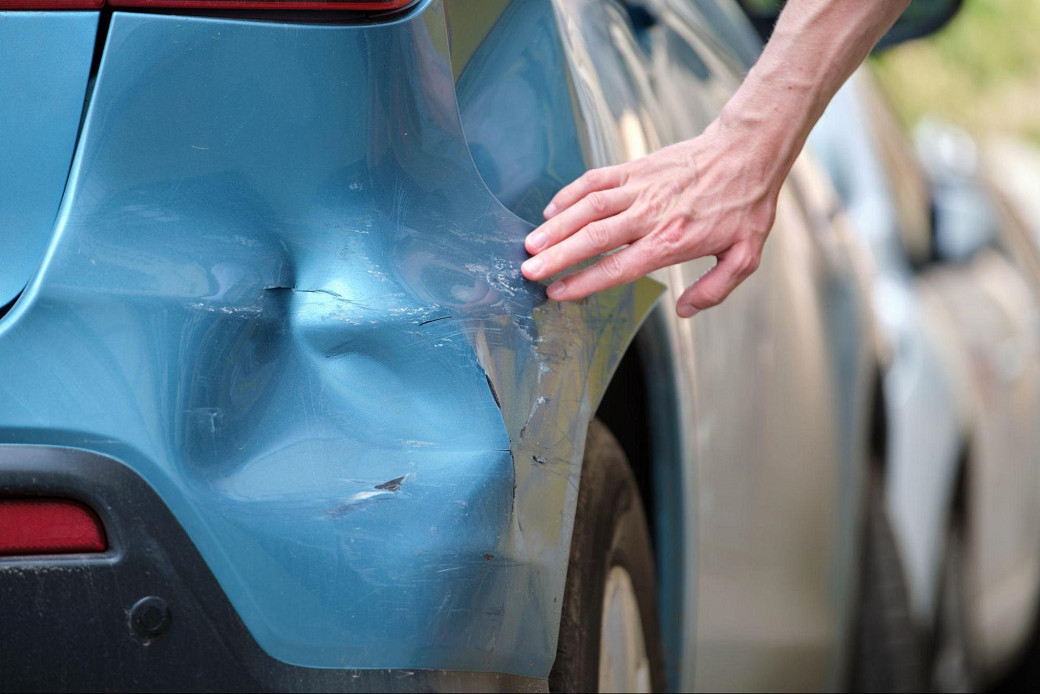
After a hit-and-run, your safety comes first. Move to a safe spot, call 911, and get medical help even if you feel fine. Write down everything you recall about the vehicle, snap photos, and find witnesses. Then notify your insurer promptly. These early actions protect your health and give you the evidence needed to recover compensation later, even when the other driver is never found.
Introduction
Picture this: you’re stopped at a red light when another car clips your bumper, then speeds off before you can react. Your heart races. You’re hurt, shaken, and staring at an empty road where the responsible driver should be. It’s a scenario that more Canadians face every year, and it leaves victims feeling powerless.
You’re not as stuck as you might think. Even without knowing who hit you, the law gives you real ways to recover, and understanding how to handle hit and run injury claims can mean the difference between paying out of pocket and getting fully compensated. Knowing your options early keeps small mistakes from costing you later.
The moments right after a crash feel like a blur, yet what you do next shapes everything that follows. Let’s start with the steps that matter most.
First Steps After a Hit-and-Run Crash
What you do in the first hour affects your claim more than almost any decision that comes later, because that’s when the evidence is still there, and your injuries are freshly documented. Adrenaline can hide pain and cloud your judgment, so a simple plan helps you act even when you’re rattled. Here is what to do after a hit and run, step by step.
Protect Your Safety and Get Checked Out
Look after your body before your bumper. Pull over somewhere safe, switch on your hazard lights, and check yourself and any passengers for injuries. Call 911 right away, even for what looks like a minor knock. Some injuries, like whiplash or a concussion, hide for hours or days before the pain sets in. A paramedic’s assessment protects your well-being and creates a medical record dated to the crash.
Gather Evidence Before It’s Gone
A fleeing driver disappears fast, but the clues left behind can still help your case. If you’re physically able, collect as much as you can while it’s fresh:
- Vehicle details — make, model, colour, and any part of the plate number you caught
- Direction of travel — which way the car went after leaving
- Photos and video — your vehicle, the surrounding area, skid marks, and any debris knocked loose
- Your injuries — visible cuts, bruising, or swelling
- Witnesses — names and phone numbers of anyone who saw it happen
A stranger’s dashcam or a nearby shop’s security camera has cracked many cases that seemed hopeless at first.
Filing the Police Report
Reporting a hit and run accident to the police is not optional paperwork; it is the backbone of any future claim. Insist on a police report and share every detail you remember. This document becomes the official account insurers and lawyers rely on. In most provinces, you have a limited window to file, so do it the same day whenever you can.
Once the report is filed, it helps to know who handles what from here.
| Party | Their Role | What It Means for You |
| Police | Investigate and document the crash | Creates the report that your claim depends on |
| Your insurer | Processes your claim | Your main source of payment if the driver is unknown |
| A personal injury lawyer | Protects your interests | Handles negotiations and paperwork on your behalf |
Why a Fled Driver Changes Your Case
A normal fender-bender ends with two drivers swapping insurance details. A hit-and-run takes that away, which is why these cases feel so unfair. The bills, the injuries, and the stress all land on you while the person at fault is nowhere to be found. Reports of drivers leaving the scene have climbed sharply over the past decade, so more people are sorting out the aftermath on their own. With no other driver to point to, your recovery shifts toward your own coverage instead of theirs.
That shift puts your own insurance policy at the centre of what happens next.
How Your Insurance Covers a Hit-and-Run
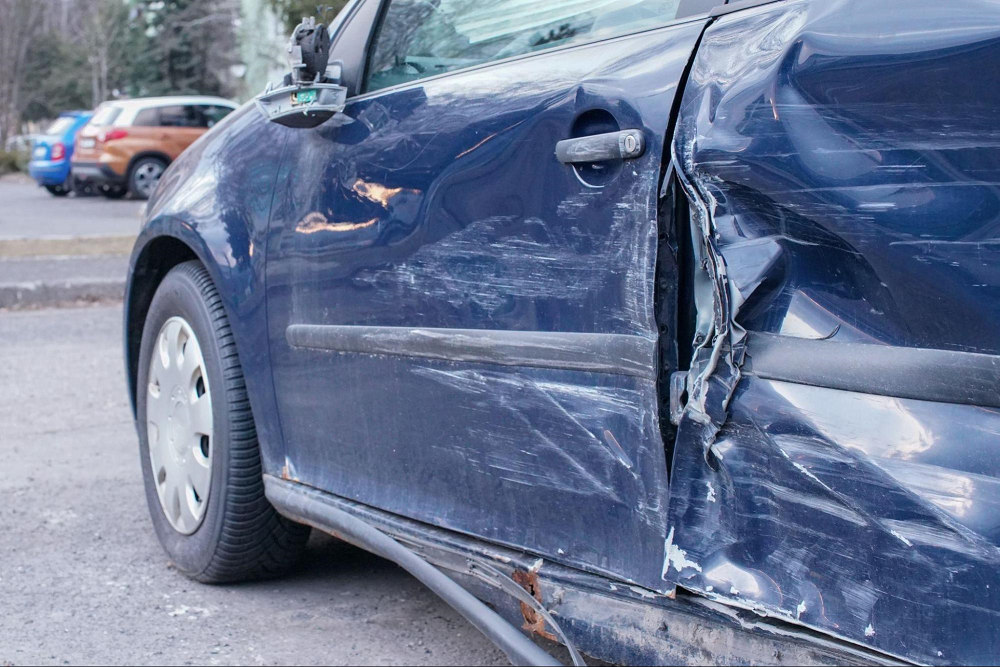
When the driver who hit you can’t be found, your attention moves to your own auto insurance. This surprises a lot of people, but it’s often the most reliable path to getting your bills paid. One coverage matters more than the rest here, and plenty of drivers carry it without knowing how much it’s worth.
Uninsured Motorist Coverage Explained
Think of this protection as a stand-in for the insurance the fleeing driver should have provided. Uninsured motorist coverage explained simply: it steps in to pay for your losses when the at-fault party is unknown or has no policy of their own. Depending on your plan, it can help cover medical treatment, lost income, and in many cases, the pain and disruption the crash caused. In much of Canada, some form of this protection is built into standard auto policies, though the limits and details vary by province and provider. Pull out your policy today, before you ever need it, and see what you already have.
How to Claim Compensation for Hit-and-Run Losses
Once you notify your insurer, the process of how to claim compensation for hit and run losses begins. The stronger your documentation, the smoother it tends to go. Insurers move quickly, and many policies require prompt notice, so timing counts. To give your claim the best footing, keep these close at hand:
- The police report number and any case details
- All medical records, from the ER visit to follow-up appointments
- Receipts for expenses tied to the crash, including prescriptions and travel to treatment
- Pay stubs or records showing income you lost while recovering
- Your photos, witness contacts, and written notes from the scene
When to Push Back on an Offer
Insurance companies are businesses, and a first offer often falls short of what a claim is truly worth. If your injuries are serious or the insurer disputes your account, professional guidance can level the field. A qualified advocate knows how these negotiations work and can push back on a lowball figure. If the driver is later identified, new doors may open, including a separate claim against them directly.
With a plan for recovery in place, it’s worth stepping back to see the bigger picture.
Protecting Your Rights and Moving Forward
A hit-and-run can turn a routine drive into a frightening mess, but being left behind by the other driver does not leave you without options. The law recognizes how unfair these situations are, and it gives victims real tools to recover. What matters most is acting with intention in the hours and days that follow.
Remember the pattern that ties everything together: protect your health first, document what you can, report the crash promptly, and lean on the coverage you already pay for. Each step builds on the last, strengthening your position and easing the road ahead. Knowing your hit and run victim rights turns a moment of helplessness into a clear plan you can follow.
You did not choose this, but you can choose how you respond. With the right knowledge and a little persistence, brighter days and a full recovery are well within reach.


Hit-and-Run Collisions Are Rising: What Victims Need to Know About Their Rights

12-year-old, relative drown in Virginia pond during rescue attempt

3 women killed, over 30 injured in fireworks explosion in Mexico

1 dead, 6 injured in shooting at large party near Morgan Hill, California
-
 Legal20 hours ago
Couple identified after family of 8 found dead in suspected Michigan murder-suicide
-

 World2 days ago
NATO intern arrested in Belgium over suspected espionage
-

 World5 days ago
Houthis claim missile and drone attacks on 2 Saudi oil tankers in Red Sea
-

 Politics4 days ago
U.S. sanctions new CJNG leader, more than 50 people and companies
-

 US News6 days ago
All 4 U.S. soldiers killed in Jordan and Iraq identified
-
 Legal5 days ago
2 Indianapolis police officers shot during disturbance call
-

 World6 days ago
Death toll from Guyana ferry disaster rises to 53
-

 Legal5 days ago
Puerto Rico man charged over threats to bomb White House, attack soldiers and Jewish people