
Health
The Psychology of Calm: Techniques to Unwind Fast


Modern life presents constant demands that leave the mind racing. Finding a quick pathway to relaxation is necessary for long-term health. Taking just a few minutes can reset your nervous system.
Understanding the physical triggers of stress helps people reclaim their peace. Small shifts in daily habits can create immediate relief. You can easily integrate these simple changes.
Embracing Natural Remedies
Finding natural ways to relax often involves looking at traditional remedies. Many individuals find comfort in specific herbal profiles, such as a longtime hybrid staple, that have a reputation for easing tension. These botanical options work alongside psychological exercises to quiet a buzzing mind.
The brain constantly monitors physical sensations to determine safety levels. When the body relaxes, the mind naturally follows. This physiological connection shows why physical comfort is so important for mental ease.
Creating a designated quiet zone helps train the brain to switch off. Even a tiny corner of a room can serve this purpose. Dedicating this space solely to relaxation strengthens its psychological effect over the weeks.
Utilizing Breath Control
Deep breathing acts as a direct brake on the nervous system. A prominent medical center suggested that focused breathing for a mere 60 seconds can reduce stress and increase mental clarity. This simple practice requires no preparation or special tools.
This physical shift lowers the heart rate almost instantly. People can practice this method at a desk or in a car. It serves as an invisible tool during stressful meetings when you need control.
Regular practice makes this response automatic during moments of high pressure. It requires zero special equipment to perform. Consistent repetition builds a reliable shield against daily anxiety that arises.
Releasing Physical Tension
Physical tension often mirrors mental anxiety without people realizing it. An online mental health resource explained that tensing and releasing muscles systematically helps induce deep physical relaxation. This physical release sends safety signals back to the brain to break the cycle.
This practice draws attention away from looping thoughts. It channels focus entirely into physical sensations. By focusing on muscle groups, you interrupt the mental chatter that keeps you awake.
Starting from the toes and moving upward yields the best results. Most people feel a heavy, warm sensation afterward. This physical state makes mental stress much harder to maintain during the day.
Shifting Mindsets With Gratitude
Shifting focus toward positive elements rewires brain chemistry with consistent practice. A national public health agency stated that practicing daily gratitude improves emotional and physical well-being. This mental shift trains the brain to look for safety rather than threats.
Writing down 3 positive things every morning changes your perspective. It prevents the brain from focusing solely on perceived dangers. This routine takes fewer than 5 minutes to complete.
This simple habit builds psychological resilience against daily irritations. It costs nothing but provides massive returns. Over several weeks, the mind defaults to a calmer perspective when facing obstacles.
Quick Physical Interventions
Sometimes the fastest way to calm down is through immediate physical actions. Changing your environment breaks the stress cycle. Try incorporating these rapid physical adjustments to reset:
- Splash cold water on your face to trigger a natural cooling reflex.
- Step outside for 2 minutes of fresh air and sunlight.
- Stretch your neck and shoulders to release stored tightness.
These rapid shifts interrupt negative feedback loops in the brain. They provide a clean slate to begin your day again. Taking 1 minute for these actions pays off in productivity.
Creating Screen Boundaries
Constant notifications keep the brain in a state of high alert. Setting boundaries with devices is necessary to protect mental energy. Constant connectivity drains cognitive reserves slowly.
Even 30 minutes of offline time during the evening makes a difference. It allows the mind to settle before sleep. This quiet period helps transition the brain into rest mode smoothly.
Replacing screen time with a physical book helps transition the body to rest. This practice supports healthy circadian rhythms. Your sleep quality improves when screens are put away for the night.
Harnessing Acoustic Calm
Sound waves directly influence brain activity and heart rate. Slow tempos can guide a racing heart down to a resting pace. This auditory connection works without conscious effort on your part.
Creating a calming playlist saves time when panic strikes. Instrumental tracks or nature sounds work best for focus. Having these tracks ready prevents decision fatigue during moments of stress.
Listening with closed eyes maximizes the soothing effect of the music. It shuts out distracting visual stimuli completely. This practice acts as a sensory deprivation chamber for your mind.
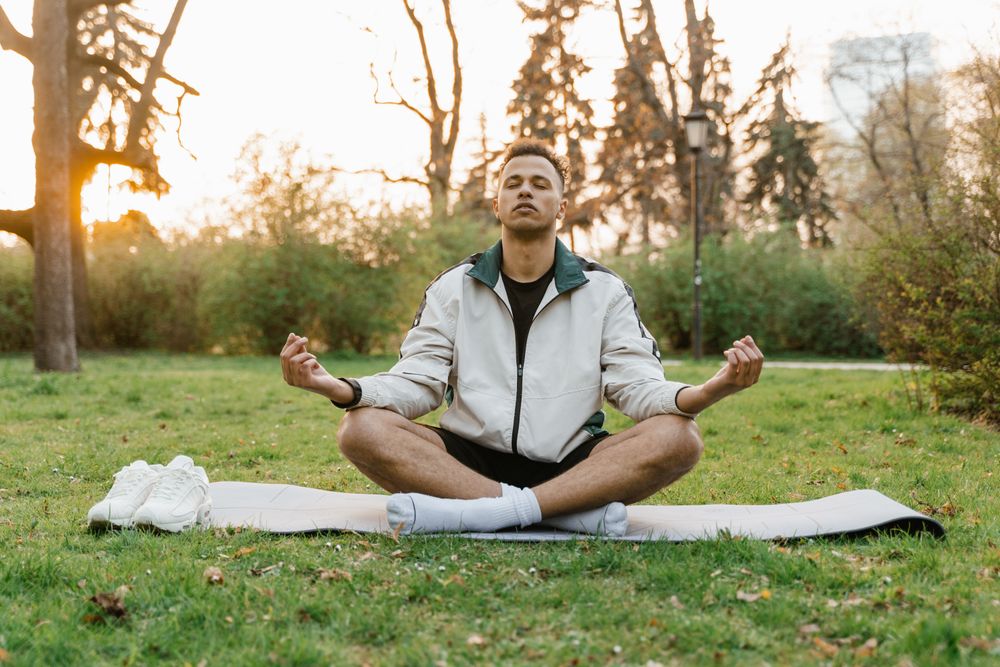
Finding calm does not require hours of meditation or expensive retreats. Simple daily practices can rapidly soothe an overstimulated mind. You have the power to control your physical reactions.
Small steps yield significant improvements in your mental peace. Prioritizing these moments of stillness keeps the mind resilient. Practice these techniques to maintain balance.


First-, Second-, and Third-Degree Burglary: What’s the Difference?

How Protective Orders Can Affect Criminal Defense Strategies

After Floods and Heavy Rain, Here’s How to Restore a Damaged Lawn

How to Handle a Crash with a Commercial Truck
-

 World1 day ago
NATO intern arrested in Belgium over suspected espionage
-

 World4 days ago
Houthis claim missile and drone attacks on 2 Saudi oil tankers in Red Sea
-

 Politics3 days ago
U.S. sanctions new CJNG leader, more than 50 people and companies
-

 Legal4 days ago
2 Indianapolis police officers shot during disturbance call
-

 US News5 days ago
All 4 U.S. soldiers killed in Jordan and Iraq identified
-

 World5 days ago
Death toll from Guyana ferry disaster rises to 53
-

 Legal4 days ago
Puerto Rico man charged over threats to bomb White House, attack soldiers and Jewish people
-

 World4 days ago
Journalist shot dead in Mexico after blaming state government for death threats