
Reviews
Unsafe Speed a Major Factor in Severe Commercial Truck Crashes, Legal Experts Say

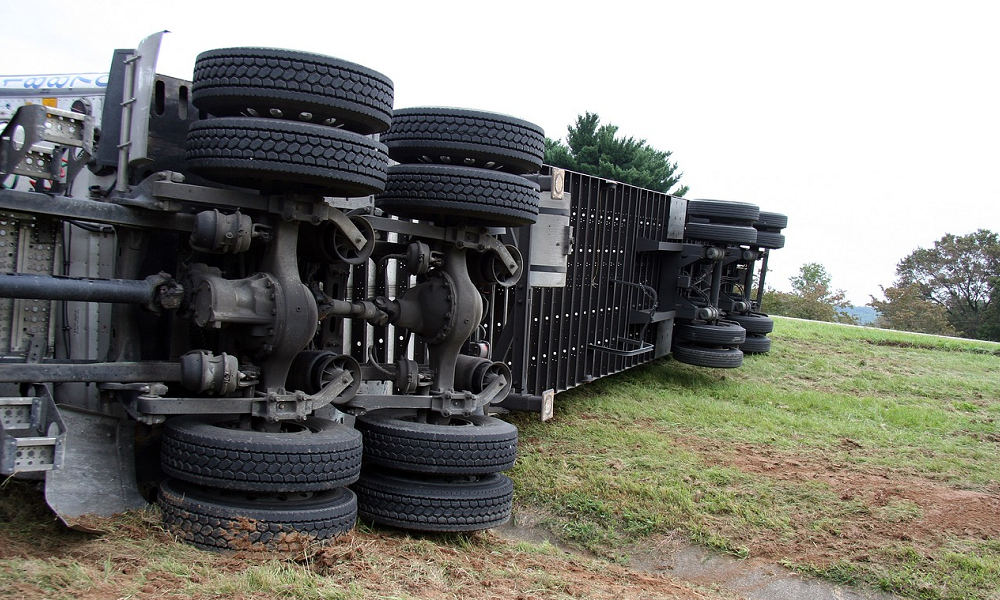
Accidents involving large commercial trucks are often among the most serious on U.S. roads, frequently leaving victims with life-altering injuries or worse. Safety analysts and legal experts point to unsafe speed as one of the most common and dangerous factors behind these crashes, particularly given the size and weight of modern freight vehicles.
Commercial trucks can weigh up to 80,000 pounds when fully loaded. At that scale, even modest increases in speed can dramatically reduce a driver’s ability to stop or maneuver, especially in poor weather, heavy traffic, or on winding roads.
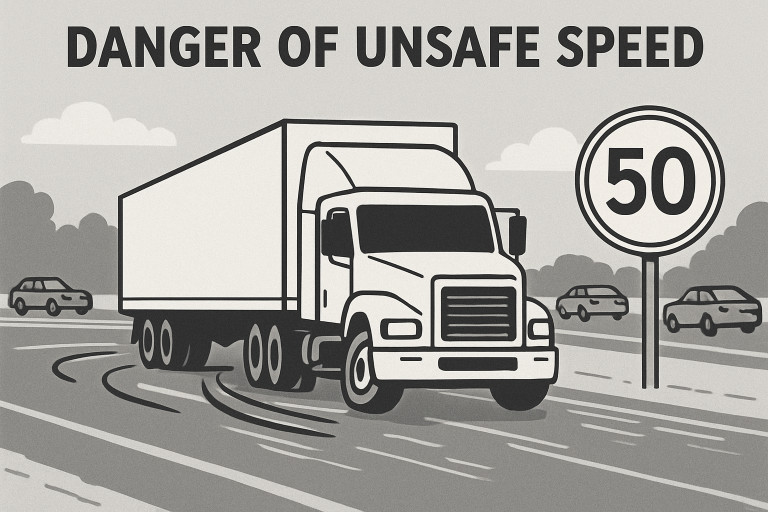
Unlike ordinary speeding, unsafe speed in trucking also includes driving too fast for conditions, even when the vehicle remains within posted limits. Federal safety officials have long warned that wet pavement, ice, construction zones, and limited visibility sharply increase crash risks for heavy trucks. These dynamics are a frequent factor in what investigators classify as unsafe speed accidents.
Pressure, Fatigue, and Training Gaps
Investigations into speed-related truck crashes frequently reveal a combination of systemic pressures and human factors. Driver fatigue remains a persistent issue in the industry, despite federal hours-of-service rules designed to limit time behind the wheel.
Reporting by the Associated Press has previously highlighted how long shifts, overnight driving, and tight delivery schedules can contribute to slower reaction times and increased crash risk among commercial drivers.
Delivery deadlines can also play a role. Industry observers note that strict schedules and financial penalties for late deliveries may encourage drivers to maintain speeds that are unsafe for road or weather conditions.
Training is another concern. While commercial drivers must meet licensing requirements, safety advocates argue that not all drivers receive sufficient instruction on speed management in adverse conditions or emergency situations, particularly those new to long-haul trucking.
Severe and Lasting Consequences
The consequences of speed-related truck crashes are often severe. Victims may suffer traumatic brain injuries, spinal damage, internal injuries, or multiple fractures. Fatalities are more common in truck collisions than in typical passenger-vehicle crashes, according to federal crash data.
Survivors may also experience long-term psychological effects, including anxiety, depression, or post-traumatic stress disorder, particularly after high-impact crashes.
Complex Legal Cases
Legal cases involving commercial truck accidents tend to be more complicated than standard auto collisions, often requiring the guidance of a commercial truck accident lawyer. Determining responsibility often requires detailed analysis of electronic logging devices, onboard data recorders, GPS records, maintenance histories, and driver logs.
In addition to the driver, liability may extend to trucking companies, cargo handlers, maintenance providers, or other third parties. Federal and state trucking regulations add another layer of complexity, requiring specialized legal expertise to identify potential violations.
Insurance negotiations can also be contentious, particularly in cases involving serious injuries or fatalities. Industry analysts note that commercial insurers often conduct extensive investigations and challenge claims aggressively.
Steps After a Crash
Safety experts recommend that anyone involved in a truck accident seek medical attention immediately, even if injuries are not immediately apparent. Documenting the scene, gathering witness information, and avoiding speculative statements about fault can also be important if legal action follows.
Because evidence in trucking cases can be lost or overwritten, attorneys often advise contacting legal counsel early to preserve records and ensure compliance with filing deadlines.
A Persistent Safety Issue
Unsafe speed remains one of the most significant risk factors in commercial trucking, according to transportation researchers. As freight traffic continues to increase on major highways, safety advocates say enforcement, training, and accountability will remain critical to reducing unsafe speed accidents and their often devastating consequences.
For victims, understanding how these crashes occur—and how responsibility is determined—can be an important step toward recovery and resolution.


5 women among 6 injured in targeted acid attack in Jersey City, New Jersey

What to Do If a Car Accident Disables You

U.S. strike kills 1 on alleged drug vessel in Eastern Pacific; 2 survive

Suspect and hostage dead after stolen vehicle pursuit in Oklahoma
-

 World1 week ago
Man seriously injured in attempted beheading in Northern Ireland
-

 World3 days ago
Tren de Aragua leader killed in U.S. strike in Venezuela
-

 World3 days ago
Woman dies after being thrown from bridge without bungee cord in Brazil
-

 Legal6 days ago
Arizona man convicted of threatening to kill Trump and Harris
-

 Legal6 days ago
Montana man charged with threatening Hawaii governor and his family
-

 Legal6 days ago
Man kills 4 family members at home in Livonia, Michigan
-

 US News1 week ago
Man attacked by shark at Florida Navy base
-

 Legal7 days ago
North Carolina teen sentenced for school shooting threats over Charlie Kirk posts