
Reviews
Why Delaying Home Heating Issues Can Lead to Bigger Problems

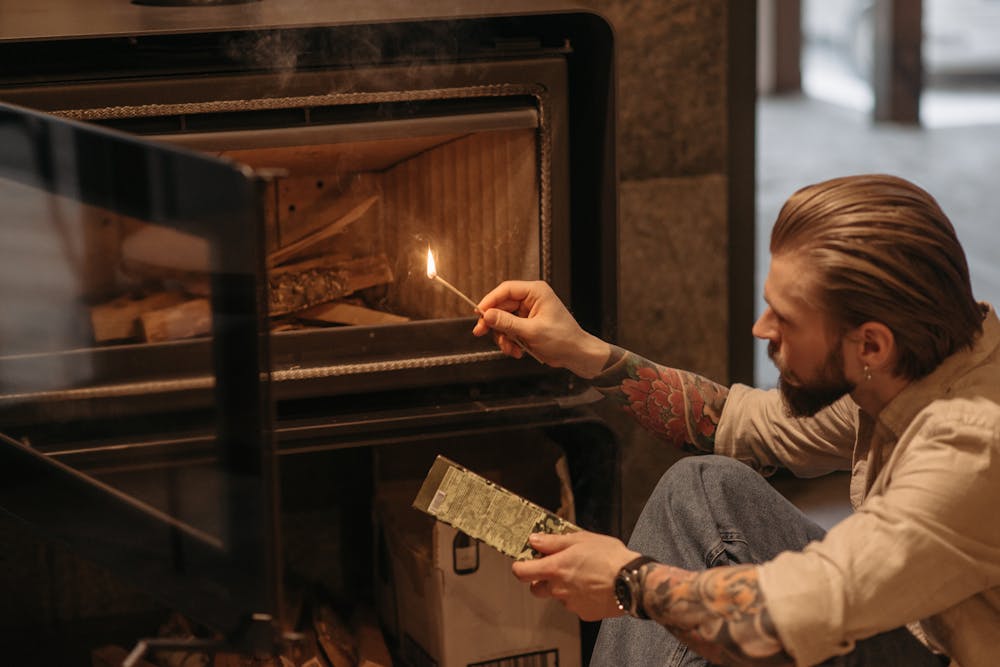
Have you ever thrown on an extra sweater instead of calling the furnace guy? Maybe you figured the rattling noise would fix itself, or the uneven heat was just the wind playing tricks. It’s tempting to ignore small heating issues, especially when life is expensive and busy. But as winter rolls in harder each year, putting off those small problems can turn a cozy home into a costly project.
Heating Trouble Doesn’t Wait for Convenience
There’s never a “right time” for your heating system to go haywire. Problems tend to creep in slowly—strange smells, odd cycling patterns, rooms that never seem warm enough. You tell yourself it’s probably nothing, or it can wait until after the holidays. Then, suddenly, your furnace goes completely cold during the first real freeze of the season.
This pattern is all too common in American households. In 2024 alone, with energy costs rising and inflation making every repair feel like a financial negotiation, many homeowners delayed calling technicians. The result? Heating companies saw a spike in emergency calls, most of which could have been prevented if the issue had been addressed early.
What Starts Small Can Break Big
Furnace systems are like your body: if one part is off, everything else starts working harder. A clogged filter may seem like a minor issue, but it forces your system to run longer and hotter. Worn-out belts or faulty ignitors might not seem urgent—until they trigger a complete shutdown. These aren’t dramatic problems until they are.
If your furnace keeps cycling on and off or your utility bills have slowly crept upward, your system is likely working harder than it should. When this happens, small issues quietly snowball into much bigger ones. And here’s where most people go wrong—they wait, assuming they can ride it out or fix it later. But don’t sit on these furnace repairs. Delaying service allows wear and tear to spread through the system. As airflow gets blocked or parts overheat, your unit loses efficiency. Not only does this increase your energy usage, but it also shortens the lifespan of your heating system.
It’s not just about breakdowns either. Neglecting repairs can void warranties, damage internal components, and even raise safety risks like carbon monoxide leaks. This is especially dangerous in older homes where insulation might already be subpar. A small investment in timely maintenance can save you thousands in replacements later.
Skyrocketing Energy Bills Are the First Red Flag
When heating systems struggle, they work overtime. That means longer cycles, more fuel burned, and higher utility bills—all without the reward of a truly warm home. If your bills this winter made you double-check the thermostat, your furnace might be the reason.
A struggling furnace can burn through fuel inefficiently. Something as small as a dirty sensor or a cracked heat exchanger forces the unit to compensate. With the average U.S. household spending over $1,000 annually on heating, even a 10% spike in energy use adds up fast. Before you start blaming the weather, take a close look at your system’s performance.
The Weather Is No Longer Predictable
A decade ago, it was easy to predict when to prep your heating system. Now, with colder snaps showing up earlier and sticking around longer, the stakes have changed. Climate change isn’t just a news headline—it’s altering the way we heat our homes.
In places like Texas and Georgia, where extreme cold used to be rare, heating systems weren’t built for long-term freezing conditions. But recent winters have told a different story. Record-breaking cold spells left thousands without heat in 2021, and we’re still seeing the ripple effects. Homes weren’t just uncomfortable; pipes burst, walls cracked, and families were displaced. Delaying heating repairs doesn’t just mean suffering in the cold—it can mean facing massive property damage.
Repairs Are Cheaper Than Replacements
When you finally call a technician after months of delay, you’re often past the point of a quick fix. What could’ve been a $150 tune-up in October can easily become a $2,000 job by January. And that’s not counting emergency fees or the cost of temporary heating solutions in the meantime.
Furnaces are built to last, but they need attention to stay functional. A neglected unit might last 10 years, while a well-maintained one can go 15 to 20. Skipping simple repairs shortens that lifespan and fast-tracks you toward a full system replacement. And if your unit goes out during a region-wide cold front? Good luck finding a technician with availability—and parts can take weeks to arrive.
Safety Isn’t Optional in the Winter
While comfort is often the focus, safety is the real concern. Faulty heat exchangers or blocked vents don’t just affect temperature—they can release carbon monoxide. It’s colorless, odorless, and deadly. And it becomes more likely in systems that haven’t been checked regularly.
According to the CDC, over 400 people die each year from accidental carbon monoxide poisoning in the U.S., with the majority of these incidents happening in winter months. Furnace problems are often involved. A simple inspection and timely repair can literally be life-saving. And no, your smoke detector isn’t the same as a carbon monoxide monitor—if you don’t have one, it’s time.
Your Future Self Will Thank You
We’ve all ignored that blinking dashboard light or put off that dentist appointment. It’s human. But heating isn’t a luxury anymore; it’s critical infrastructure for your home. Treating it that way saves money, reduces stress, and keeps your home livable year-round.
Future you—the one trying to host guests in February or get the kids ready for school in 30-degree weather—doesn’t want to deal with emergency repairs. Take a proactive approach. If your system feels off, sounds strange, or costs more to run, schedule a professional check. Prevention isn’t glamorous, but it’s cheaper, safer, and far more comfortable than scrambling after a breakdown.
Sometimes the smartest move is the least dramatic one: just make the call, and fix the furnace before it becomes your next big problem.


5 women among 6 injured in targeted acid attack in Jersey City, New Jersey

What to Do If a Car Accident Disables You

U.S. strike kills 1 on alleged drug vessel in Eastern Pacific; 2 survive

Suspect and hostage dead after stolen vehicle pursuit in Oklahoma
-

 World1 week ago
Man seriously injured in attempted beheading in Northern Ireland
-

 World3 days ago
Tren de Aragua leader killed in U.S. strike in Venezuela
-

 World3 days ago
Woman dies after being thrown from bridge without bungee cord in Brazil
-

 Legal6 days ago
Arizona man convicted of threatening to kill Trump and Harris
-

 Legal6 days ago
Montana man charged with threatening Hawaii governor and his family
-
 Legal6 days ago
Man kills 4 family members at home in Livonia, Michigan
-

 US News1 week ago
Man attacked by shark at Florida Navy base
-
 Legal7 days ago
North Carolina teen sentenced for school shooting threats over Charlie Kirk posts