
Reviews
How Do AV Installations in Delaware Improve Collaboration in Meetings?

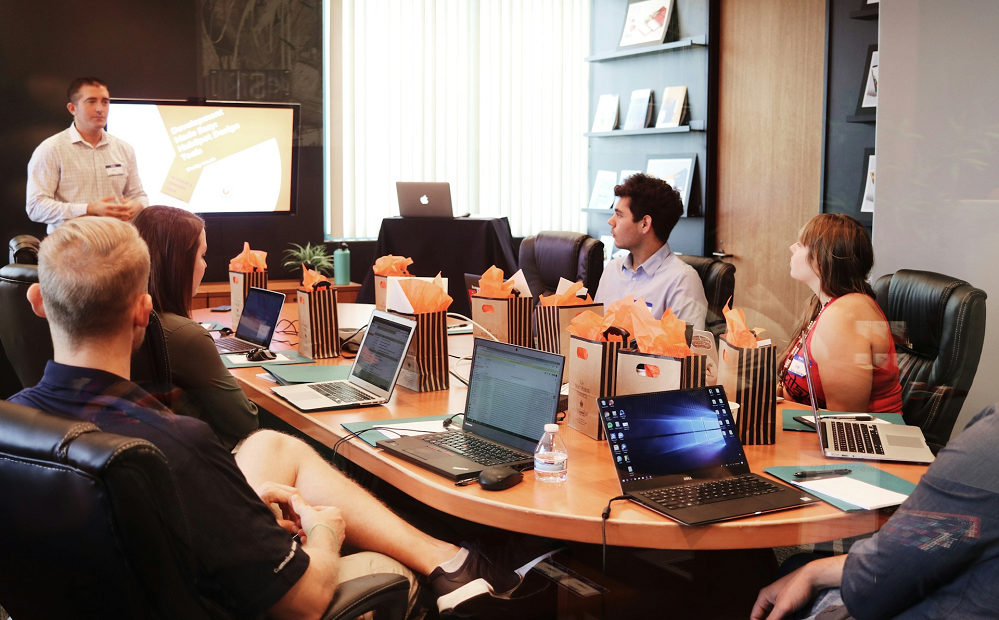
Modern workplaces in Delaware rely on seamless communication tools to keep teams aligned and productive. AV installations now play a major role in making meetings more interactive and efficient. They improve collaboration by creating spaces where every participant can see, hear, and share ideas clearly, whether in person or remote. This technology supports better engagement and reduces the barriers that often slow down teamwork.
Well-designed AV systems turn ordinary conference rooms into connected environments that support meaningful discussions and faster decision-making. Clear audio, high-quality video, and easy content sharing allow teams to stay focused on outcomes instead of technical issues. As businesses across Delaware adapt to hybrid work, these installations help bridge the gap between office and remote teams, keeping collaboration smooth and consistent.
The next sections will explain how AV installations shape team interaction, what design and technology choices matter most in Delaware, and how thoughtful setup planning leads to better results for every meeting. attention do details
The Impact of AV Installations on Meeting Collaboration
Quality audiovisual systems allow teams to connect naturally, communicate ideas more effectively, and maintain focus throughout meetings. Clear sound, sharp visuals, and unified control features create a setting that supports hybrid work, real-time interaction, and fast decision-making.
Enabling Hybrid Work and Seamless Remote Team Participation
Modern AV installation in Delaware helps businesses bridge the gap between in-person and remote teams. High-definition cameras, beamforming microphones, and auto-framing tools make remote attendees feel equally part of the room. These systems balance sound and visuals so well that discussions flow smoothly, without delays or interruptions.
Organizations use dual screens or ultra-wide displays to show shared content alongside participant video feeds. This supports teamwork even when members connect from different locations. Teams can present information, review data, and respond to questions in real time.
Smart AV setups also integrate with popular meeting platforms, making transitions between calls quick and simple. Employees can join meetings by pressing a single button. These features not only save time but also create a more connected and consistent meeting experience across offices.
Improving Engagement with Interactive Displays and Modern AV Technologies
Interactive displays make meetings more engaging and practical. Tools such as digital whiteboards or touchscreen panels let participants draw diagrams, write notes, and move visuals directly on the screen. This keeps attendees involved rather than passive observers.
Modern systems in Delaware conference rooms often include wireless presentation tools, allowing multiple people to share screens without cables. This flexibility helps groups switch presenters quickly and maintain meeting rhythm. For design, education, and planning sessions, these features support teamwork where creativity depends on direct participation.
AV integrators customize systems to match each room’s use and size. A small huddle room may include a single 55-inch display, while a larger space might have dual 4K monitors and advanced speakers. Proper screen placement and lighting avoid glare and make visual materials easy to follow. These practical upgrades keep attention on the discussion rather than technical distractions.
Streamlining Communication Through Video Conferencing Platforms
Clear communication depends on quality sound and picture. Advanced microphones and speakers transmit every detail of a conversation, even from large rooms. With high-resolution cameras, facial expressions and gestures become visible cues that improve understanding.
Integrated video platforms remove common meeting issues such as echo or lag. Some systems automatically adjust volume or focus on the active speaker. In Delaware offices, many companies now connect these tools directly to room displays and lighting controls to create consistent conditions for every session.
Organizations also report faster collaboration because teams no longer repeat information lost through poor audio or screen-sharing issues. Meetings progress efficiently, and employees feel more confident contributing ideas. Consistent feature quality helps build trust among remote participants as well.
Facilitating Efficient System Integration and Control
Unified control brings all meeting components, such as audio, video, lighting, and room scheduling, into one interface. This helps staff manage settings without switching between devices. A central touchscreen or tablet can control volume, camera angle, and screen input.
AV professionals install automation that adjusts lighting and display modes depending on meeting type. For instance, presentation mode may lower lights and activate projection, while discussion mode sets balanced lighting for visibility. These programmed scenes save setup time and maintain a consistent atmosphere.
Efficient integration also makes support easier. IT teams can monitor system health and troubleshoot remotely if needed. Scalable installation designs allow future upgrades without replacing the entire system. This level of coordination creates smooth daily operations and reliable performance across multiple meeting spaces.
Design Considerations and Technology Choices in Delaware AV Installations
Effective AV installations in Delaware rely on clear planning, appropriate technology, and attention to physical space. A strong design matches the room layout with visual tools and connects hardware through simple, well-organized cabling. Thoughtful use of new technologies creates adaptable systems that support both present and future collaboration needs.
Optimizing Room Layout, Projection Systems, and Display Screens
Room design affects viewing angles, sound clarity, and overall comfort. Installers often measure seating distance to determine the correct display size. Large conference rooms may use projection systems with high-brightness projectors, while smaller areas often use LCD or LED display screens. The right setup prevents glare and improves visibility for everyone in the room.
Good lighting control also matters. Dimmable lights and window coverings help maintain screen contrast. Ceiling-mounted projectors free up table space and reduce clutter. In hybrid meeting rooms, wall-mounted displays positioned at eye level support both in-person and remote interaction. Delaware businesses often rely on flexible mounts to adjust displays for different room setups.
A well-planned layout supports clear communication. Screens placed too high or low cause fatigue, while poor sound distribution distracts participants. Designers measure acoustic reflection and viewing lines to create a balanced environment that promotes focused collaboration.
Effective Cable Management and Device Compatibility
Clean and organized wiring keeps systems functional and safe. Cable management reduces tripping hazards and avoids signal interference. Installers often use floor conduit or wall routing to conceal cables and protect connections. A labeled and color-coded system helps with quick maintenance and prevents confusion during upgrades.
Device compatibility can decide how easily a presentation starts. Modern conference rooms need multiple input ports, such as HDMI and USB-C, to match different devices. Some setups include wireless connection hubs that remove cables entirely.
Technicians in Delaware emphasize standardized connectors and smart controls for smooth integration. A local installation that anticipates future device updates reduces replacement costs and keeps meeting rooms ready for any user or equipment type.
Integrating Advanced Solutions: AR, VR, and Future-Proof Design
AV design now reaches beyond screens and microphones. Systems that use augmented reality (AR) and virtual reality (VR) bring 3D visualization into meetings. Teams can view prototypes, layouts, or data models without leaving the room.
Delaware installations that include these tools support industries such as healthcare, education, and design. For example, AR overlays may display digital information on physical products, while VR headsets create immersive training experiences.
Future-proof planning balances innovation with practicality. Installers select modular hardware that accepts software updates and new interfaces. Network-ready components allow remote control and diagnostics. This approach keeps Delaware meeting rooms flexible for years without frequent full replacements.
Conclusion
AV installations in Delaware help teams communicate clearly and share information without technical barriers. These systems bring visual and audio clarity that supports better discussions and faster decisions.
Modern designs connect in-room participants with remote attendees through tools such as video displays, microphones, and integrated controls. As a result, each person gains equal access to the conversation, which keeps meetings more organized and interactive.
Businesses that upgrade their meeting spaces with thoughtful AV setups see smoother collaboration and fewer misunderstandings. Clear sound, bright visuals, and simple controls make every meeting more efficient and productive.
In short, AV installations give Delaware organizations practical solutions that improve communication, support teamwork, and create a stronger meeting experience.


Officer, bystander injured in Baltimore County shooting

5 stabbed at New York’s Penn Station; suspect arrested

Major 7.8 earthquake strikes Philippines, tsunami threat issued

2 killed after U.S.-registered private jet crashes in Dominican Republic
-

 World1 week ago
Dutch police review arrest after pregnant woman thrown to ground in viral video
-

 World1 week ago
U.S. citizen killed in shootout near Cabo tourist area in Mexico
-

 US News1 week ago
3 Latvian climbers killed in fall on Denali in Alaska; others injured
-

 Legal1 week ago
2 officers, police K-9 injured in Virginia shooting
-

 US News1 week ago
United flight turns around over Atlantic after Bluetooth device named BOMB
-

 Legal6 days ago
3 killed, officer wounded in shooting in Sandy, Oregon
-

 Legal6 days ago
1 killed, 1 seriously injured in shooting near clinic in Saskatchewan, Canada
-

 Legal4 days ago
Mississippi deputy shot during standoff in Simpson County