
Reviews
Furnace Repair vs Replacement: How to Decide

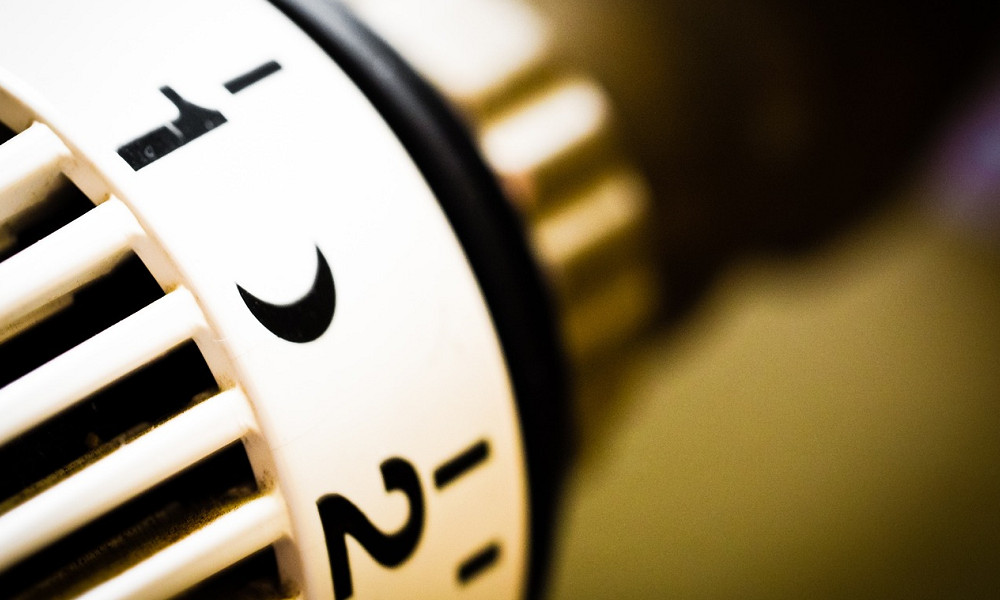
Homeowners face a common dilemma when their furnace begins to malfunction — should they repair or replace it? Depending on many factors (cost, efficiency, and safety, of course), this decision can vary. If you understand these things, it should make it easier to choose well.
Key Factors to Consider Before Making a Decision
Before choosing between repair and replacement, homeowners should take a closer look at several practical considerations. Every situation is different, and what works for one home may not be right for another. Consulting a professional for furnace repair in Chesterfield can provide clarity on the condition of your system and available options. The following factors will help guide you toward the most cost-effective and reliable decision.
Assessing the Age and Condition
One key factor in the evaluation process is the age of the furnace. Furnaces generally last between 15 to 20 years. A furnace that old might be better off replaced. An older furnace is often not as efficient, which can result in higher energy bills. The need for frequent repairs also shows that the system is on its last legs.
However, if the furnace is new, then you should consider repairing it. On newer systems, the parts are easier and much cheaper to replace. On top of that, these systems also tend to have greater energy efficiency, which means that repairing these units can prolong their life without compromising efficiency.
Evaluating Repair Costs
The cost is one of the most important factors when deciding whether to repair or replace. If the total costs of repairs will set you back less than 50 percent of a new furnace, it may be wise to fix the system. But if the repairs are pricey and/or the furnace is aged, then replacing it might be the more affordable choice in the long term.
But people who own the home must also take note of how often it needs fixing up. If one type of furnace is needing your constant attention, it’s probably time to purchase a new system. Repair bills can add up, and installing a new furnace could be an investment that pays off in peace of mind and fewer issues.
Energy Efficiency Considerations
Another consideration is that of energy efficiency. High utility bills can be the result of a lower efficiency rating for older furnaces. Most new models operate more efficiently, and those savings can add up quickly. This reduction goes a long way in making up for the cost of a new furnace.
You also help the environment by consuming less power by switching to a more efficient machine. Homeowners will want to consider the long-term savings relative to the initial expense of having a replacement.
Safety Concerns
Safety should never be overlooked. Carbon monoxide leaks and fire risks are potential hazards with older furnaces. While regular maintenance will reduce this risk, sometimes it is just safer to opt for replacement. Modern technology provides newer furnaces with safer features that prevent households from danger.
Replacement is a wise option when a furnace professional detects serious safety problems that cannot be efficiently resolved. Safety is always the most important factor to consider when using an HVAC system.
Considering Home Comfort
There is also the question of a furnace’s ability (or lack thereof) to keep temperatures steady and comfortable. Outdated systems can be a challenge to heat a home evenly, creating cold spots throughout the space. Installing a furnace can help to improve overall comfort due to consistent heating.
To improve comfort, modern systems typically include a programmable thermostat and may feature a variable speed motor. These features make it easier to control indoor climate and enhance the quality of living.
Financial Incentives and Rebates
Monetary incentives can play a role in the choice of either repair or replacement. Rebates or tax credits are available in some regions for the replacement of less efficient models with more efficient models. Such incentives are often substantial enough to bring the price of a new furnace down to the point that it feels more attractive to replace.
Homeowners need to research programs – if there is one that fits you, you can receive money. These are also very much capable of making a significant difference in the overall cost computation.
Conclusion
When weighing the options between repair and replacement of your furnace, there are a number of things that should be taken into consideration — the age, price, efficiency, and, most importantly, the safety and comfort of your home. Analyzing these factors, homeowners can select the most suitable option in accordance with their requirements as well as within a budget.
Your choice in every aspect of the issue must be determined by the balance between the immediate costs and the long-run benefits. If uncertain, seeking a trusted professional for additional guidance can help navigate through this critical decision both easily and confidently.


5 women among 6 injured in targeted acid attack in Jersey City, New Jersey

What to Do If a Car Accident Disables You

U.S. strike kills 1 on alleged drug vessel in Eastern Pacific; 2 survive

Suspect and hostage dead after stolen vehicle pursuit in Oklahoma
-

 World1 week ago
Man seriously injured in attempted beheading in Northern Ireland
-

 World3 days ago
Tren de Aragua leader killed in U.S. strike in Venezuela
-

 World3 days ago
Woman dies after being thrown from bridge without bungee cord in Brazil
-

 Legal6 days ago
Arizona man convicted of threatening to kill Trump and Harris
-

 Legal6 days ago
Montana man charged with threatening Hawaii governor and his family
-
 Legal6 days ago
Man kills 4 family members at home in Livonia, Michigan
-

 US News1 week ago
Man attacked by shark at Florida Navy base
-

 Legal7 days ago
North Carolina teen sentenced for school shooting threats over Charlie Kirk posts