
Reviews
Beans Emerge As The Ultimate Longevity And Brain-Health Superfood

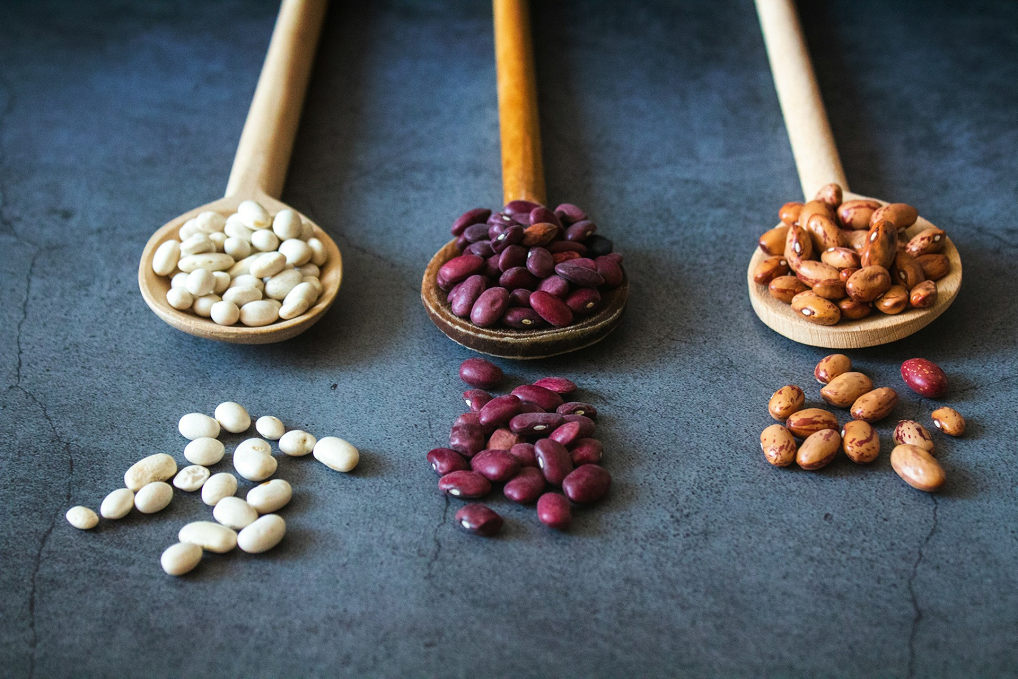
2026 is likely going to be the year when health consciousness reaches an all-time high. Nutritionists and researchers are pointing out the benefits of focusing on food over medical interventions when it comes to the type of diseases that people face in Western countries.
While communicable diseases and broken bones are dealt with well by conventional medicine, the chronic diseases that most people have. However, nutrition offers a solution, particularly beans and legumes, which seem to play a crucial role in promoting longevity and preventing neurodegenerative diseases.
With the population getting older and interest in healthy ageing growing by hundreds of percent per year, experts believe the role of beans and pulses is likely to expand in future decades up until 2030, and they could be a game changer for public health.
At JM Nutrition, an outfit that connects people to registered nutritionists and dietitians, this is already well known. “We’ve seen a massive increase in the amount of evidence supporting the role of beans and legumes in a healthy diet,” explains JM Nutrition.
“Now the task is to communicate this information to the public. Most people are unaware of the benefits that beans hold. The degree to which they can improve health is considerable. Beans are known for having all sorts of positive effects on metabolism and are one of the best ways to stave off the risk of diabetes.”
The understanding that beans and legumes are one of the healthiest elements of the diet began with the MIND diet, which is a combination of the hybrid Mediterranean and DASH diets. This diet has become more popular because of its role in protecting the brain, something that many people are concerned about in 2026 with the rise of dementia rates.
Because beans are so rich in fiber and protein and also carry a massive package of essential nutrients, they fit into the MIND framework. They’re able to improve heart function, gut health, and blood sugar parameters to a degree that many other foods simply can’t. What’s more, people with digestive issues often find that beans and legumes help, not hinder. The reason for this is that they provide a lot of resistant starch that bacteria in the gut can use to bulk up stools and help them move more easily through the system.
The trend for eating beans is also lining up nicely with the so-called fibre forward eating. This is where individuals are eating more high fibre foods and going out of their way to make them a staple of their diet instead of just something that’s added on. For example, many people are combining things like berries and oats for breakfast with red lentils and vegetables for dinner. They’re also adding white beans and stews and combining them with plant-based proteins to meet their nutritional goals. The result of this is that the consumption of legumes is likely to increase in the future. People are becoming more aware of the carbon and resource-intensive production methods used in meat and they want a simpler way to get their protein.
However, the increased consumption of beans isn’t just about prevention. Recent studies show that people who eat legumes more often have superior health outcomes. For example, a study published in the Journal of Nutrition Science followed 5,000 participants for two years and found that individuals consuming at least three servings of beans per week had a 25% lower risk of cognitive decline. This information emerges at just the right time because the World Health Organization is now projecting that hundreds of millions of more people will be afflicted by dementia before 2050.
This knowledge that beans and legumes are incredibly important for human health is percolating out of nutrition science academia and into the real world. For example, there are currently public campaigns to increase the consumption of beans in schools and reduce the intake of processed meat. The same is also occurring with elder lunch programmes and day care centres. Older people are also being encouraged to consume more legumes and beans as part of their health and rehabilitation programmes.
“This massive resurgence in bean consumption is most welcome,” explains JM Nutrition. “With food budgets becoming tighter, beans offer a low-cost option for people to get the protein and the fiber they need without having to spend a lot of money on alternative foods. Plus, beans are a fully natural product and don’t come with the cost premium of things like fake meat. They also have a range of health benefits which aren’t currently well understood by the public but which have been detailed in the nutrition science literature.”
As 2026 unfolds, the boom in bean sales is likely to accelerate. Beans and legumes represent a tasty and effective way for people to get their protein while also meeting their health and environmental goals. Limited edition bean products are more likely to hit the shelves as entrepreneurs innovate to create improved culinary experiences for people.
Beans have flourished globally for centuries and formed an essential part of the diet for most civilizations throughout history. The combination of beans and grains offered the perfect balance of proteins that people needed to live healthy, strong, and robust lives.
Recently, the popularity of beans has fallen out of fashion. However, even in Western cultures they were once a staple. For example, many people in Northern Europe used to eat white beans and broad beans as part of their diets. Now that the entire world is globalized, beans and legumes are available from every country, so the choice that people have is much greater.
Beans are also particularly useful around winter time when people want to eat more soups and stews. They are the ideal ingredient to add healthy protein to these dishes.
Therefore, in 2026, many commentators expect more recipe websites to focus on bean recipes. Legumes may even become a staple over the coming years because of their high protein content and their ability to replace protein from meat but without any of the deleterious health or environmental side effects.


Actor James Handy killed by girlfriend’s son at Los Angeles home

Massive explosion reported at suspected fuel theft site in Mexico

U.S. sanctions Cuban President Miguel Díaz-Canel

Amazon employee shot and killed in fulfillment center garage near Chicago
-

 World6 days ago
Dutch police review arrest after pregnant woman thrown to ground in viral video
-

 World1 week ago
2 injured after Russian drone hits apartment building in Romania
-

 World5 days ago
U.S. citizen killed in shootout near Cabo tourist area in Mexico
-

 US News6 days ago
3 Latvian climbers killed in fall on Denali in Alaska; others injured
-

 Legal5 days ago
2 officers, police K-9 injured in Virginia shooting
-

 US News1 week ago
11 presumed dead after chemical tank blast at Washington plant, river contaminated
-

 US News5 days ago
United flight turns around over Atlantic after Bluetooth device named BOMB
-

 Legal4 days ago
3 killed, officer wounded in shooting in Sandy, Oregon