
Reviews
How a Cracked Windshield Affects Your Insurance and Claims: Insights From 30+ Years in Auto Glass

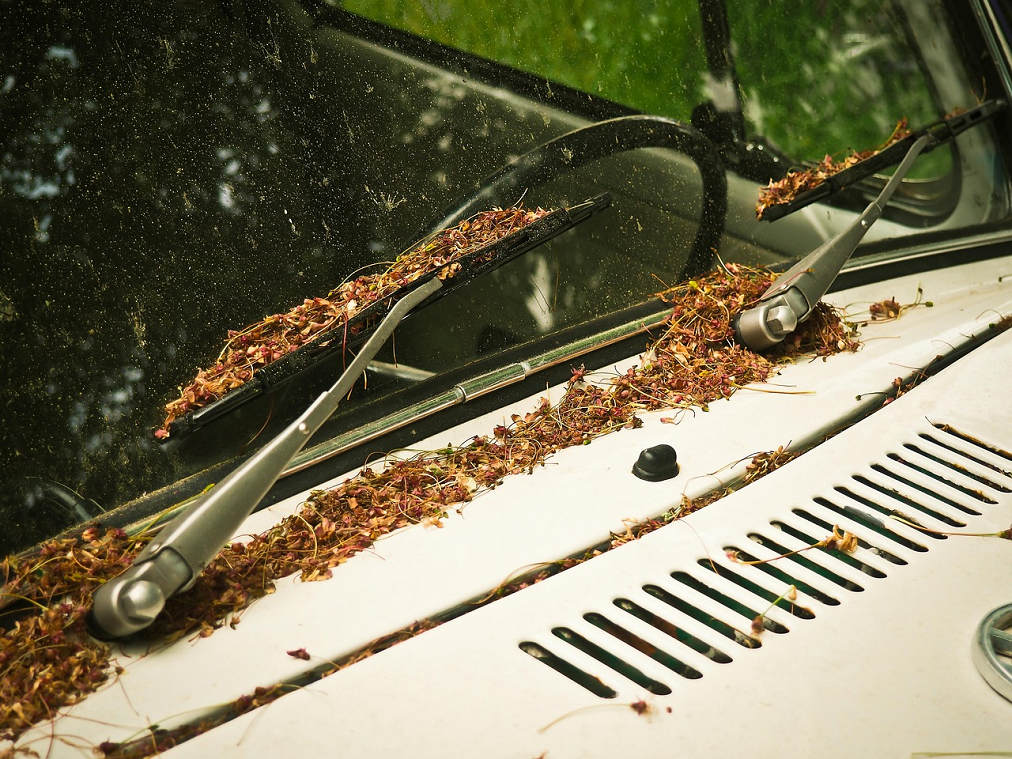
When I first started working on cars back in the late ’80s, a cracked windshield was more of a cosmetic headache than a financial one. Back then, people would drive around with tiny chips thinking nothing of it. I remember working on a 1992 Ford Crown Victoria, carefully injecting resin into a small rock chip while the owner nervously asked if it would be covered by insurance. Fast forward to today, and windshield damage is a serious matter—both for safety and insurance purposes.
I’m Revin Y., founder of Save On Auto Glass, and I’ve been hands-on in the auto glass and windshield repair industry for over 30 years. I’ve seen everything from chipped windshields on classic cars to cracks on Teslas with ADAS sensors. Over the decades, I’ve also navigated thousands of insurance claims for our clients, learning the ins and outs of how a damaged windshield can affect coverage, deductibles, and future claims.
In this article, I’ll share my insights and experience to help you understand: how cracked windshields impact your insurance, when to file a claim, what pitfalls to avoid, and how technology today can make repairs safer and more reliable.
Why Your Windshield Matters Beyond Aesthetics
A windshield isn’t just glass—it’s a crucial safety feature. Modern vehicles rely on it for:
- Structural integrity: Windshields support the roof and ensure airbags deploy correctly.
- Visibility: Even small chips can distort light, creating glare or hiding hazards.
- ADAS sensors: Cameras and radar systems rely on proper glass alignment to function.
A crack might seem small, but if left untreated, it can expand quickly due to temperature changes or road vibrations. Insurance companies see this as more than cosmetic damage—they consider the risk of injury or additional damage if the windshield fails.
How Insurance Views Windshield Damage
Insurance coverage for windshield damage varies by provider and policy type. Here’s a breakdown from my years of handling claims:
Comprehensive Coverage Is Key
Most standard auto insurance policies won’t cover damage from collisions under liability coverage. But comprehensive coverage often includes glass damage from:
- Flying debris
- Hail storms
- Vandalism
- Accidental impacts
This is why I always tell clients: “If you have comprehensive coverage, a cracked windshield is usually fully or partially covered.”
Deductibles Can Affect Your Decision
One thing beginners often overlook is the deductible. Let’s say your deductible is $250, and the repair costs $200. Filing a claim doesn’t make sense financially—you’ll pay more out-of-pocket than the repair costs. In cases like this, it’s often cheaper to handle minor chips without insurance.
Glass-Only Policies
Some insurers offer glass-only coverage, especially in states like Michigan. These policies may cover full replacement without any deductible, making it cost-effective to repair or replace even small chips.
Common Insurance Pitfalls I’ve Seen
After decades in the field, I’ve noticed a few mistakes that car owners often make:
- Delaying Repairs: Waiting too long can make the chip expand. Insurers may see this as neglect, which could affect coverage.
- DIY Repairs Without Documentation: If you use a home kit and then later file a claim, insurance may deny it due to improper repair.
- Not Notifying Insurer Quickly: Many policies require prompt reporting. I’ve had clients wait weeks, only to have claims reduced.
- Ignoring ADAS Requirements: Replacing a windshield without recalibrating sensors can void certain claims if an accident occurs.
When to File a Claim
Deciding when to involve your insurance company can be tricky. I usually advise clients to consider:
- Size and location of the crack: Chips under 1 inch often don’t require a claim if glass-only coverage is not available.
- Risk to ADAS sensors: Any windshield with cameras or radar systems may require professional replacement through insurance.
- Potential for expansion: If the crack could worsen over time, filing a claim early is wise.
How Claims Affect Your Premium
Many drivers worry that filing a windshield claim will raise their premiums. Here’s what I’ve learned:
- Glass-only claims often do not affect your premium. Many insurers treat them separately from accidents.
- Frequent comprehensive claims might trigger a review, but a single windshield repair rarely increases costs.
- State regulations matter. In Michigan, for example, glass claims under certain policies are fully protected.
Steps to Ensure a Smooth Insurance Claim
From my experience, a clean, professional approach prevents headaches:
- Document the Damage: Take photos immediately.
- Call Your Insurance Provider: Ask specifically about coverage for repairs vs. full replacement.
- Use Certified Technicians: Insurers prefer AGSC-approved shops.
- Keep Receipts: Retain repair logs and invoices.
- Follow-Up: Confirm ADAS recalibration or warranty is noted in the claim.
Technology Improving Windshield Repairs
Back in the ’90s, repairing a chip was a slow, manual process. Today, technology has made insurance-related repairs faster and safer:
- UV-cured resins reduce bubbles and improve clarity.
- Mobile repair kits allow technicians to service vehicles at your home or work, preventing additional damage.
- ADAS calibration tools ensure replacements won’t interfere with safety systems.
- AI damage assessment can predict whether a crack will expand, helping insurers make accurate claims.
I’ve personally seen Tesla owners amazed at how quickly and cleanly we replaced windshields without triggering ADAS errors—a process impossible 20 years ago.
DIY vs Professional Repairs and Insurance Implications
I get this question often: “Can I use a DIY kit and still file a claim?”
Here’s my take:
- DIY minor chips: Fine if you don’t plan to claim insurance. Make sure to document the repair in case you change your mind.
- Professional repairs: Using a certified shop ensures the repair meets insurance requirements and maintains warranty protection.
- ADAS-equipped vehicles: Always professional. Insurance claims often require certified calibration.
Cost Considerations
Insurance can cover much, but understanding costs is still important:
- Small chips: $50–$150 repair, often covered by glass-only policies.
- Full windshield replacement: $200–$500, depending on ADAS features.
- Deductibles: Can be waived for glass-only claims in some states.
I always tell clients: “Don’t overpay for a kit that won’t pass insurance scrutiny. Spend a little more upfront, and it pays off in safety and coverage.”
Insider Hacks From 30+ Years
- Work Quickly After Damage: Cracks expand with heat and vibration. Early repair is key.
- Check State Laws: Some states mandate immediate reporting or replacement for safety.
- Keep ADAS Logs: Document sensor recalibration for claims and resale.
- Use OEM Glass: Ensures warranty compliance and insurer approval.
- Photograph Every Step: Helps with disputed claims.
Summary Box / Key Takeaways
- Cracked windshields are serious for safety and insurance.
- Glass-only or comprehensive coverage often fully protects repairs.
- Early reporting prevents claim disputes.
- Certified shops and OEM materials ensure insurance compliance.
- Technology now allows faster, safer, and clearer repairs than ever.
FAQs About Windshield Damage and Insurance
Q1: Does a small chip count as an insurance claim?
A1: Not always. If it’s minor and under your deductible, you might handle it yourself. Glass-only coverage often covers small chips with zero deductible.
Q2: Will filing a windshield claim raise my premium?
A2: Usually not. Glass claims are often separate from accidents and don’t affect rates.
Q3: How long can I wait to file a claim?
A3: Report promptly. Delays can cause insurers to deny claims for neglect.
Q4: Can I drive with a cracked windshield?
A4: Short-term, yes, if it’s small. Long cracks or edge chips are risky, especially with ADAS-equipped vehicles.
Q5: Does insurance cover ADAS recalibration?
A5: Most policies cover full replacement and recalibration if you use a certified shop.
Conclusion: Experience Matters
As the founder of Save On Auto Glass, I’ve learned that a cracked windshield is more than just a cosmetic flaw. It affects safety, sensor functionality, and insurance. Early repair, proper documentation, and using certified technicians ensures your claim goes smoothly and your car stays safe.
Next time a rock chip threatens your windshield, remember: acting early and using the right experts protects your wallet and your life. Don’t wait for the crack to grow—call a professional, document the damage, and get it fixed right the first time.
Your car deserves it, and so do you.


Officer, bystander injured in Baltimore County shooting

5 stabbed at New York’s Penn Station; suspect arrested

Major 7.8 earthquake strikes Philippines, tsunami threat issued

2 killed after U.S.-registered private jet crashes in Dominican Republic
-

 World1 week ago
Dutch police review arrest after pregnant woman thrown to ground in viral video
-

 World1 week ago
U.S. citizen killed in shootout near Cabo tourist area in Mexico
-

 US News1 week ago
3 Latvian climbers killed in fall on Denali in Alaska; others injured
-
 Legal1 week ago
2 officers, police K-9 injured in Virginia shooting
-
 US News1 week ago
United flight turns around over Atlantic after Bluetooth device named BOMB
-

 Legal6 days ago
3 killed, officer wounded in shooting in Sandy, Oregon
-
 Legal6 days ago
1 killed, 1 seriously injured in shooting near clinic in Saskatchewan, Canada
-
 Legal4 days ago
Mississippi deputy shot during standoff in Simpson County