
Reviews
How Social Media Is Influencing Men’s Health Decisions

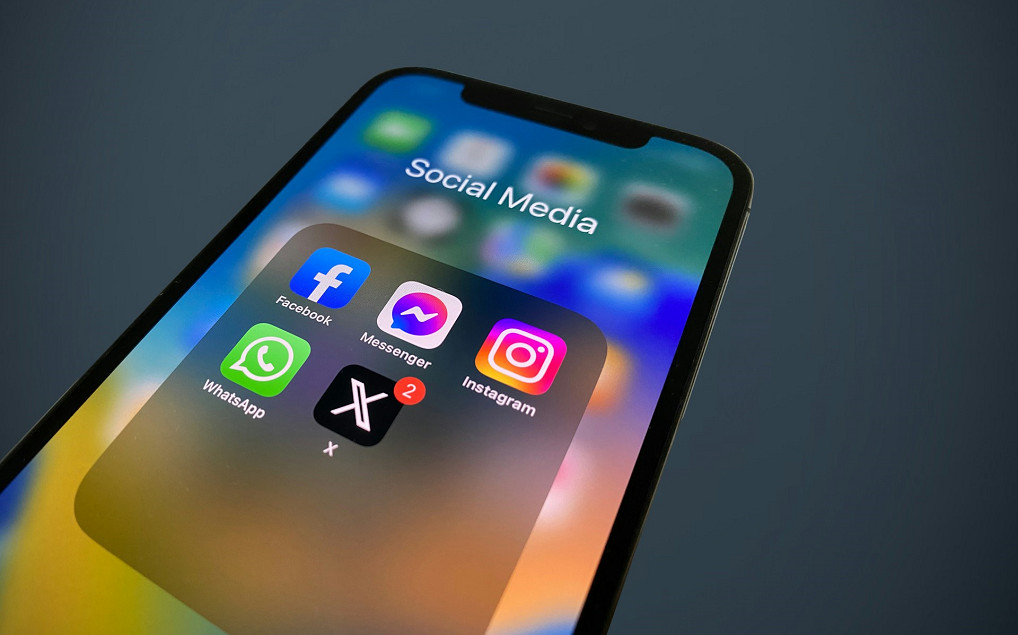
Social media has become one of the most powerful influences on how men learn about, discuss, and act on their health. Platforms like YouTube, Instagram, TikTok, and Twitter now shape people’s opinions on their mental well-being, fitness, and diet.
For many men, these platforms offer access to information and communities that were previously unavailable offline. However, the line between credible guidance and misinformation can sometimes be unclear. Read more to learn about the roles of social media on men’s health.
Access to Information and Trusted Resources
Social media has significantly expanded men’s access to health information and trusted resources that were once hard to find. Reputable doctors, health organizations, and fitness experts now share educational content that makes complex simpler.
Men can easily learn about symptoms, prevention, and treatment options. This empowers them to make informed decisions and to seek professional help as soon as needed, rather than waiting for hospital appointments.
Peer Support and Online Communities
Social platforms also host online communities where men can share experiences, ask questions, and support each other on health-related issues. These peer networks help to reduce stigma around mental health, chronic conditions, and lifestyle changes.
When men see others openly discuss similar challenges, they feel less isolated and more encouraged to seek advice. This means they can adopt healthier habits and pursue professional care.
Professional Engagement
With social media, men can directly engage with healthcare professionals in accessible, informal ways. Doctors, therapists, and fitness specialists use these platforms in the following ways:
- Answering common questions
- Sharing evidence-based guidance
- Addressing misconceptions
- Hosting question and answer sessions
This visibility builds trust and makes professional advice feel less intimidating. Men may be more willing to seek expert opinions, get personalized health plans, schedule checkups, and make healthier, informed decisions about their health.
Flexibility and Convenience
Social media offers both flexibility and convenience, allowing men to access health information anytime, anywhere. Short videos, posts, and live sessions fit well into people’s busy schedules, allowing more practical learning about health. This on-demand access helps men explore topics privately and compare options. This means that they can reflect on advice at their own pace before making health-related decisions.
Better Communication
Social media platforms make health communications more open, relatable, and ongoing. Men can interact through messages, comments, and live discussions. As a result, questions on topics such as preventive health strategies can be addressed more quickly and more clearly.
This two-way communication helps break down barriers, clarify concerns, and encourage honest conversations about health topics. The result is a more confident and informed decision-making process.
Enhanced Privacy and Comfort
Social media offers greater privacy and comfort, allowing men to explore health topics discreetly. Many people can research sensitive issues, such as mental or sexual well-being, without fear of judgment. This sense of anonymity reduces embarrassment and encourages honest engagement.
For instance, men looking to explore procedures like permanent male enhancement may be more comfortable discussing with experts on social platforms. Overall, men may feel more comfortable learning, asking questions, and taking initial steps toward healthier decisions.
Endnote
Social media now plays a key role in men’s health by improving access to information, peer support, and online communities. These platforms also improve professional engagement, flexibility, convenience, communication, privacy, and comfort.


Officer, bystander injured in Baltimore County shooting

5 stabbed at New York’s Penn Station; suspect arrested

Major 7.8 earthquake strikes Philippines, tsunami threat issued

2 killed after U.S.-registered private jet crashes in Dominican Republic
-

 World1 week ago
Dutch police review arrest after pregnant woman thrown to ground in viral video
-

 World1 week ago
U.S. citizen killed in shootout near Cabo tourist area in Mexico
-

 US News1 week ago
3 Latvian climbers killed in fall on Denali in Alaska; others injured
-

 Legal1 week ago
2 officers, police K-9 injured in Virginia shooting
-

 US News1 week ago
United flight turns around over Atlantic after Bluetooth device named BOMB
-

 Legal6 days ago
3 killed, officer wounded in shooting in Sandy, Oregon
-

 Legal6 days ago
1 killed, 1 seriously injured in shooting near clinic in Saskatchewan, Canada
-

 Legal4 days ago
Mississippi deputy shot during standoff in Simpson County