
Reviews
What to Know About Sports Coverage and Analysis

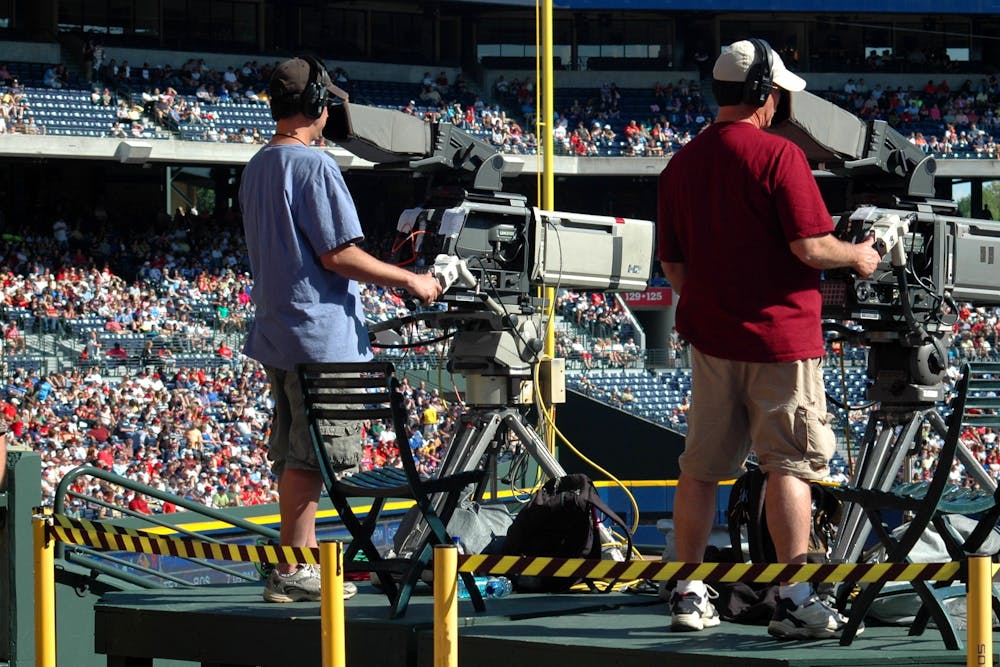
A final whistle sounds, and phones fill with clips, quotes, and fast takes from every angle. Comment threads form fast, and early posts can feel settled before officials publish basic notes. Minutes later, one checked detail can reshape the story for thousands of readers watching closely.
Breaking desks face the same pressure in sports that they face in any live event. If you also track Thai match updates on thsport, you can see reports tighten after confirmations. The goal is simple, keep speed without losing truth when the facts are still moving.
Why Sports Reporting Changes After The First Alert
Teams release information in short windows, and each window limits what a reporter can know. Coaches protect tactics, so they avoid full answers until lineups are official on match day. Clubs also delay travel notes, because logistics can change within hours on congested routes often quickly.
Injury news is the most common trigger for edits, because medical detail is guarded for good reasons. A player can warm up, feel pain, and get scratched after the first alert hits feeds. That shift changes formations, matchups, and expectations, all at once for readers tracking minute by minute.
League rules also drive timing, since suspensions and who can play notes may post close to kickoff. A desk may write from partial guidance, then adjust once the league portal updates publicly. When you see a sudden edit, it often reflects a new document, not a change of mind.
The fastest accounts on social media may post guesses to fill the silence between updates. Those posts can spread faster than careful reporting, because they sound confident and clean to casual readers. Treat them as hints until you see a named source or an official record from a team.
How To Judge Sources When Timing Is Tight
Start with the origin of the claim, not the strength of the wording in the headline. Club channels, league statements, and approved pool reporters usually sit closest to verified detail for updates. Roundup sites can be useful, but only when they link back to the origin and show timestamps.
A reliable report answers three basics, who said it, when they said it, and where it appeared. When any of those parts are missing, treat the item as open and keep reading carefully. See this source checklist for checks during live updates when the report feels rushed.
Cross check with a second outlet that did not copy the same phrasing or cite the same account. Two posts that both say reports suggest can still trace back to one unknown source. Look for separate proof, like a direct quote, a recorded clip, or a document link.
Also check the reporter’s access, because access shapes what they can confirm in real time. A beat reporter at training can verify who took part, while a remote desk cannot during late updates. That difference matters most with injuries, late calls, and lineup spots close to kickoff today.
Finally, watch how a source handles fixes, because that shows care under pressure in public. Reliable outlets post updates clearly, not quietly, and they keep earlier context available for review. You learn a lot by seeing whether a correction is labeled and time stamped clearly.
Reading Injury And Lineup News Without Guessing
When you see an injury update, separate status from impact before you read any breakdown. Status means ready, doubtful, or out, based on the best current record from trusted channels. Impact means how that change shifts roles, spacing, and set piece duties across the full match.
Look for language that signals doubt, like assessment, late test, or expected to travel today. Those words often mean the club has not confirmed a final call yet for fans. Wait for a squad list, a team sheet, or a league report before locking in assumptions.
In football, pay attention to who fills the role, not only the name that drops out. A straight swap keeps shape, while a reshuffle can change pressing triggers and passing lanes. That is why two teams can look different with the same eleven names on paper.
In basketball, late scratches can change rotations and pace, because minutes shift to bench units. Track who gains usage, who handles the ball, and who must defend in space on switches. One guard missing can change the final score more than a star playing hurt in pain.
Turning Match Reports Into Useful Analysis
Start with match conditions, because conditions shape what the numbers mean after full time in context. Note rest days, travel load, pitch speed, and any early cards that changed tackling risk. These details sit behind every shot map, passing chart, and duel total you read later.
Next, map match state in a simple timeline, because goals change risk and spacing for both sides. A team chasing late can inflate shots, while the other side protects the box in numbers. Separate volume from threat, and you will read the report with clearer eyes every week.
Then connect big moments to evidence you can check later, like video, position data, and official statistics. A turning point should show a pattern, not only a single bounce or deflection in chaos. If you cannot point to the pattern, label it as a theory and keep it separate.
Use a short checklist each week, and write one line answers so checks stay fair.
- Did chances come from open play patterns, or from set pieces and second balls today.
- Did the press win the ball high, or did the opponent pass through pressure many times.
- Did the coach change shape after scoring, and did that change pace, spacing, and shot quality.
Finish by separating what you know from what you think, in clear labels on your notes. That habit makes predictions steadier, because your inputs stay honest from match to match. It also helps you explain picks without leaning on vibes or one loud clip.
Habits That Cut Errors For Editors And Readers
Editors can reduce mistakes by labeling uncertain items and updating headlines with visible timestamps for readers. A short phrase like team has not confirmed sets limits without slowing the alert for staff. Clear update labels also help readers follow what changed across versions with less confusion quickly.
Readers can help by pausing before sharing, then checking whether a post links to primary sources. The Federal Trade Commission lists scam signs in scams posts shared with rumor links. If a link looks odd, skip it and look for an official channel instead first.
When an update changes the angle, save the earlier version and list what changed in plain words. Over time, you will learn which outlets correct fast and which avoid correction after mistakes. That history matters more than one viral clip on a busy day for careful readers.
A Practical Wrap Up For Fast Moving Sports News
Fast sports coverage will always shift as teams confirm injuries, lineups, and official notes. Your edge is a repeatable check, trace the first source, confirm time stamps, and compare at least one independent report. Keep match context and match state in your notes, then separate facts from opinions before you share or predict. When you do that, you read like an editor, and your calls stay steady even when the feed gets loud.


Officer, bystander injured in Baltimore County shooting

5 stabbed at New York’s Penn Station; suspect arrested

Major 7.8 earthquake strikes Philippines, tsunami threat issued

2 killed after U.S.-registered private jet crashes in Dominican Republic
-

 World1 week ago
Dutch police review arrest after pregnant woman thrown to ground in viral video
-

 World1 week ago
U.S. citizen killed in shootout near Cabo tourist area in Mexico
-

 US News1 week ago
3 Latvian climbers killed in fall on Denali in Alaska; others injured
-

 Legal1 week ago
2 officers, police K-9 injured in Virginia shooting
-

 US News1 week ago
United flight turns around over Atlantic after Bluetooth device named BOMB
-

 Legal6 days ago
3 killed, officer wounded in shooting in Sandy, Oregon
-

 Legal6 days ago
1 killed, 1 seriously injured in shooting near clinic in Saskatchewan, Canada
-

 Legal4 days ago
Mississippi deputy shot during standoff in Simpson County