
Reviews
What to Consider Before Turning Your Basement Into a Livable Space

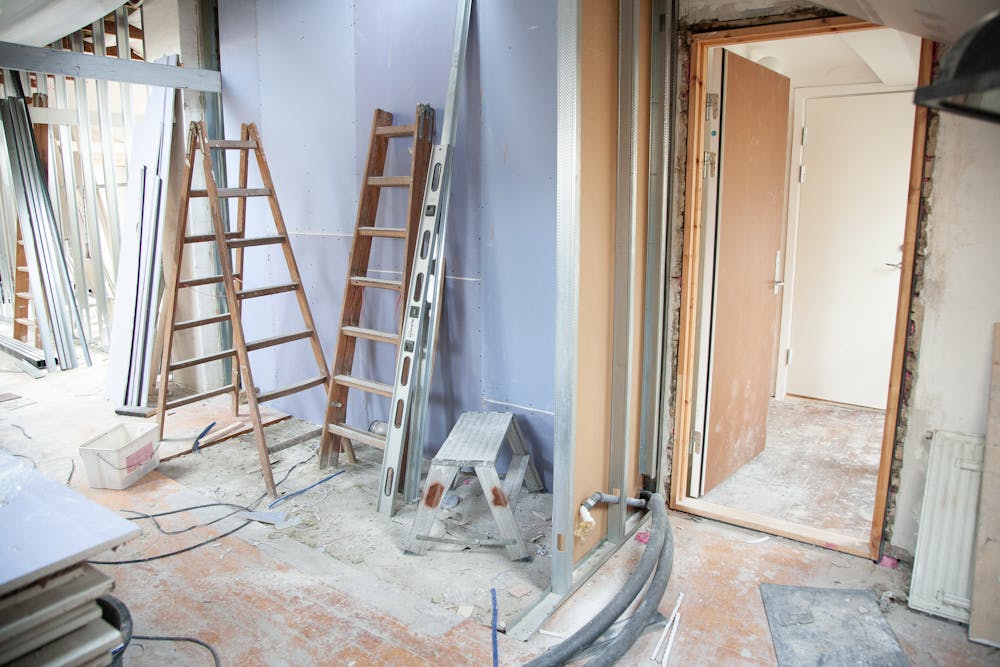
You’ve probably walked past your basement door countless times, thinking about everything that space could be. Maybe it’s a future family room, a quiet home office, or a comfortable guest area. Basements often hold the most untapped potential in a home, yet they’re also the easiest space to underestimate. Turning a basement into a livable space isn’t just about adding drywall and furniture. It’s about creating a room that feels just as comfortable, safe, and functional as the rest of your home.
Before you start browsing décor ideas or planning layouts, it’s important to slow down and think through what finishing a basement really involves. Unlike above-ground rooms, basements come with unique challenges related to moisture, lighting, layout, and local building rules. When you plan carefully, you avoid costly mistakes and end up with a space that genuinely improves your day-to-day life.
Understanding your basement from the ground up and knowing what to look for before starting sets the stage for a smoother renovation and better results.
Understanding Your Basement’s Potential Before Making Changes
Every basement tells a different story. Some feel open and bright, while others are dark, cramped, or oddly shaped. Before you commit to design ideas, you need to understand what your basement can realistically become. Ceiling height, foundation layout, support beams, and existing systems all play a role in shaping what’s possible.
This is often the stage where homeowners start exploring local options and professional guidance. If you’re planning to convert your lower level into usable living space and want solutions that fit your home’s structure, budget, and local requirements, look up basement finishing near me so you can understand what’s feasible, what’s allowed, and how professionals typically approach basement transformations in your area.
A good evaluation looks beyond square footage. You’ll want to think about how much natural light is available, whether the layout supports multiple uses, and how easily plumbing or electrical lines can be extended if needed. Understanding these basics early helps you make smarter decisions later instead of redesigning halfway through the project.
Moisture, Waterproofing, and Air Quality Come First
One of the biggest mistakes homeowners make is treating a basement like any other room. Basements sit below ground, which means moisture control isn’t optional. It’s essential. Even a basement that seems dry can have hidden humidity issues that affect comfort and long-term durability.
Before finishing anything, you should assess for signs of moisture, such as musty odors, minor wall stains, or condensation. Addressing these problems early protects flooring, walls, and furniture later. Simple steps like sealing cracks, improving drainage, or adding a dehumidifier can make a huge difference.
Air quality also matters more than you might think. Poor ventilation can trap humidity and odors, making the space feel uncomfortable. Planning for proper airflow ensures the finished basement feels fresh, healthy, and inviting year-round.
Know the Local Codes and Safety Requirements
Turning a basement into a livable space often means following specific local building codes. These rules exist to keep your home safe, and skipping them can lead to serious problems down the line.
One key requirement is emergency egress. Bedrooms and living spaces usually need a window or exit large enough for safe escape. Fire safety elements like smoke detectors and proper electrical setups are also common requirements.
Checking local guidelines early prevents delays, fines, or costly changes after construction begins. It also gives you peace of mind knowing your finished basement meets safety standards and adds legitimate living space to your home.
Decide How You’ll Actually Use the Space
A finished basement works best when it’s designed with a clear purpose in mind. Before choosing paint colors or flooring, ask yourself how you’ll use the space most days, not just how you imagine it looking.
Will it be a family hangout, a quiet office, or a guest room? Each use comes with different needs. A media room might require sound control, while a home office benefits from good lighting and storage. Guest spaces may need privacy and easy bathroom access.
Defining the purpose early helps guide every decision, from layout to lighting. It also keeps the project focused and prevents the space from feeling awkward or underused once it’s finished.
Plan Your Budget with Realistic Expectations
Basement finishing costs vary widely, and surprises are common if you don’t plan carefully. Structural changes, insulation, electrical upgrades, flooring, and finishing details all add up.
A realistic budget accounts for both expected expenses and a cushion for unexpected issues. Older homes, for example, may need updates to wiring or plumbing before finishing can begin. Planning for these possibilities reduces stress and keeps the project moving forward.
It’s also helpful to prioritize what matters most to you. You can always upgrade finishes later, but structural and comfort-related elements should come first.
Focus on Comfort: Lighting, Insulation, and Temperature
Comfort can make or break a basement living space. Since basements typically get less natural light, lighting design plays a huge role in how welcoming the room feels. Layered lighting, combining overhead fixtures, wall lighting, and lamps, helps create a balanced, comfortable environment.
Insulation is just as important. Proper insulation keeps the space warm in winter and cool in summer, making it usable year-round. Temperature control may involve extending existing HVAC systems or adding separate solutions to ensure consistent comfort.
When you prioritize comfort from the start, your basement feels like a natural extension of your home rather than an afterthought.
Choose Materials That Make Sense Below Ground
Not all materials perform well in basement environments. Flooring, wall finishes, and ceilings should handle moisture and temperature changes without warping or deteriorating.
Moisture-resistant flooring options and durable wall finishes help protect your investment. Ceiling solutions may need to accommodate pipes or ducts while still maintaining a clean, finished look.
Choosing the right materials reduces maintenance and keeps the space looking good for years, even in a below-ground setting.
Think About Long-Term Value and Flexibility
A well-finished basement does more than add square footage. It adds flexibility to your home. As needs change, the space can adapt, whether that means a new work-from-home setup, a play area, or a guest retreat.
Thinking long-term helps you design a space that grows with you. Neutral finishes, flexible layouts, and smart storage options make it easier to adjust the room’s purpose over time.
When done right, a finished basement enhances both daily living and long-term home value without feeling dated or overly specific.
Turning your basement into a livable space is an exciting opportunity, but it’s not a project to rush. From understanding your basement’s structure to managing moisture, planning for comfort, and meeting local requirements, every step matters.
When you take the time to plan carefully, you avoid common pitfalls and create a space that feels just as comfortable and functional as the rest of your home. A thoughtful approach leads to a finished basement that supports your lifestyle, adapts to your needs, and truly feels like part of your living space, not just a room below ground.
With the right preparation, your basement can become one of the most valuable and enjoyable areas of your home.


Officer, bystander injured in Baltimore County shooting

5 stabbed at New York’s Penn Station; suspect arrested

Major 7.8 earthquake strikes Philippines, tsunami threat issued

2 killed after U.S.-registered private jet crashes in Dominican Republic
-

 World1 week ago
Dutch police review arrest after pregnant woman thrown to ground in viral video
-

 World1 week ago
U.S. citizen killed in shootout near Cabo tourist area in Mexico
-

 US News1 week ago
3 Latvian climbers killed in fall on Denali in Alaska; others injured
-

 Legal1 week ago
2 officers, police K-9 injured in Virginia shooting
-

 US News1 week ago
United flight turns around over Atlantic after Bluetooth device named BOMB
-

 Legal6 days ago
3 killed, officer wounded in shooting in Sandy, Oregon
-

 Legal6 days ago
1 killed, 1 seriously injured in shooting near clinic in Saskatchewan, Canada
-

 Legal4 days ago
Mississippi deputy shot during standoff in Simpson County