
Reviews
Why Session Musicians Rely on the Nashville Number System

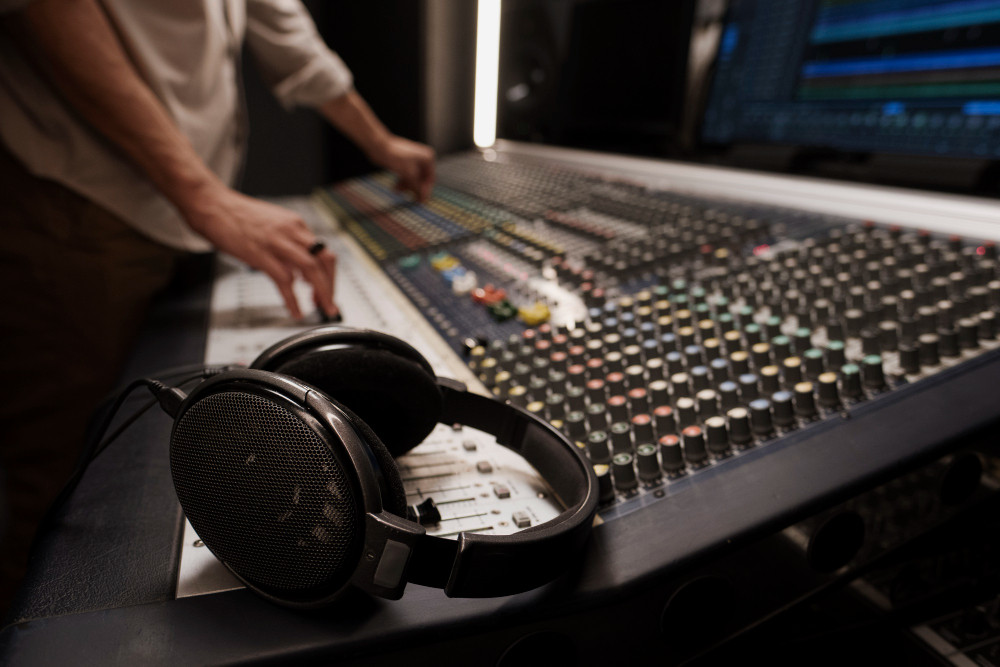
Musicians face unique challenges during recording sessions. They must interpret music quickly and perform passages accurately, often with minimal rehearsal. For this reason, they require an efficient method to communicate musical ideas. Many professionals turn to the Nashville number system to streamline the process and deliver their best performances within time constraints.
Origins and Purpose
The Nashville number system was invented in Nashville, Tennessee, in the mid-twentieth century. At the time, producers and artists frequently requested key changes on the spot to better suit a singer’s vocal range. Traditional notation made these changes cumbersome and time-consuming.
The solution was simple yet revolutionary: instead of writing chords by guitar name, musicians started assigning numbers to chords based on their position within a key. This allowed songs to be transposed instantly without rewriting the charts, which can save a lot of time in the studio.
How the System Works
Each chord in a key is assigned a number. The tonic, or root chord, is labeled as “1,” followed by “2,” “3,” and so on. Minor chords, diminished chords, and other variations are indicated using symbols or annotations alongside the numbers. You can write chord progressions with just numbers instead of letters. This way, all musicians can play the same progression in every key, simply by changing the starting note.
Communication and Collaboration
Clear communication is essential in collaborative recording environments. The Nashville number system provides a shared musical language that everyone in the studio understands. It allows producers, songwriters, and musicians to talk about arrangements without ambiguity. This alignment facilitates meaningful collaboration and allows for creativity while ensuring everyone is on the same page.
Adaptability for Different Genres
Although the system originated in country music, the Nashville number system is currently widely used across genres like pop, rock, gospel, and even jazz. Its strength lies in its adaptability. The universal structure lets itself easily be adapted to styles. It appeals to different kinds of artists and session players because it provides a consistent framework, no matter your musical background.
Advantages in Studio Environments
Recording studios demand efficiency. A lot of the time, session musicians are working project to project, with little time to rehearse for a long period. Using the Nashville number system saves preparation time. A minimal explanation allows musicians to follow the charts and concentrate on their playing. If the singer or producer wants any changes, quick adjustments can be made. Being flexible means that sessions can be continued without breaking the bank.
Training and Learning Curve
It takes some repetition to really understand the Nashville number system. But most musicians have a seamless change. Eventually, why we number the chords will all make perfect sense. This system is often part of training materials and workshops. Mastering it is a valuable skill for musicians who obtain it, making them more employable when it comes to recording-related tasks.
Supporting Musical Expression
A session musician tends to add an element of their own flavour to a recording. This does support the Nashville number system that gives you a simple structure whilst leaving space to fill in the gaps. This allows musicians to add embellishments or change voicings while still keeping track of where the song goes next. That yin-yang of structured to smaller elements helps to create a stronger end product.
Why Professionals Prefer This System
Session players who have been doing this for a long time know about time and accuracy. The Nashville number system gives them a solution that works for both goals. Its clarity minimizes errors and keeps all eyes on the ball. The obvious perk here is that they don’t have to rewrite charts for each key change. The simplicity of the system gives musicians peace of mind to focus on their craft.
Conclusion
The Nashville number system is a great tool for session musicians. It has a practical approach to streamline your studio work and to support collaboration. Musicians of every genre utilize it to make rapid creative shifts. With a clearly defined, yet flexible framework, this continues to be an important part of musical recording spaces. It is a reliable choice for professionals who want to give their best performance without doubt and effort.


Officer, bystander injured in Baltimore County shooting

5 stabbed at New York’s Penn Station; suspect arrested

Major 7.8 earthquake strikes Philippines, tsunami threat issued

2 killed after U.S.-registered private jet crashes in Dominican Republic
-

 World1 week ago
Dutch police review arrest after pregnant woman thrown to ground in viral video
-

 World1 week ago
U.S. citizen killed in shootout near Cabo tourist area in Mexico
-

 US News1 week ago
3 Latvian climbers killed in fall on Denali in Alaska; others injured
-

 Legal1 week ago
2 officers, police K-9 injured in Virginia shooting
-

 US News1 week ago
United flight turns around over Atlantic after Bluetooth device named BOMB
-

 Legal6 days ago
3 killed, officer wounded in shooting in Sandy, Oregon
-

 Legal6 days ago
1 killed, 1 seriously injured in shooting near clinic in Saskatchewan, Canada
-

 Legal4 days ago
Mississippi deputy shot during standoff in Simpson County