
Reviews
A Plain-English Guide to Federal Charges in the U.S.

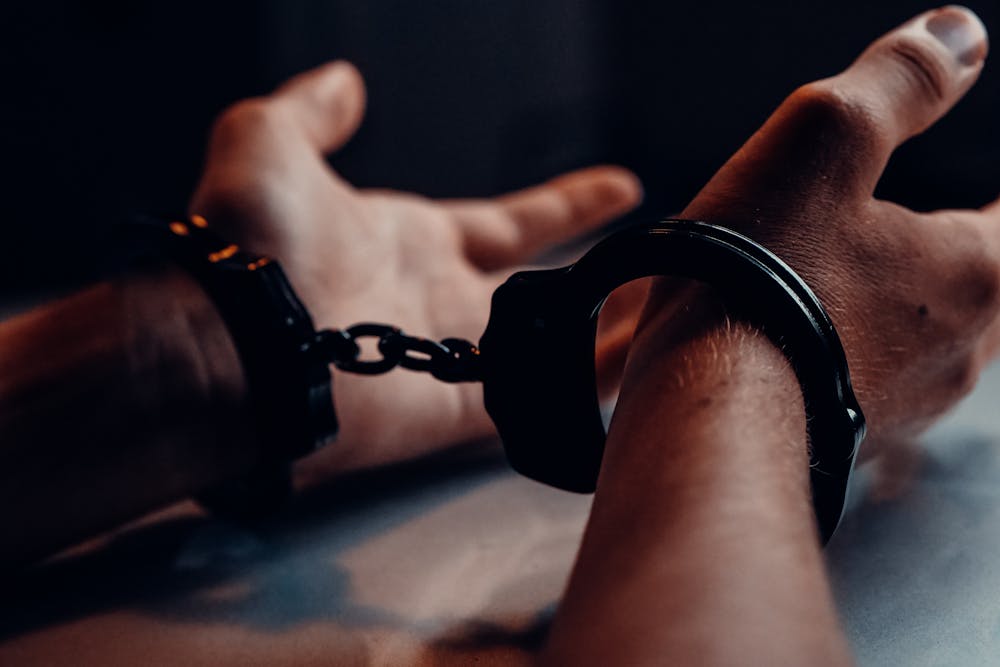
Criminal cases in the United States are usually dealt with at state level. For example, in 2024, a violent crime occurred every 25.9 seconds on average in the country as a whole. However, these come under state law. Some offences, known as federal charges, are dealt with differently and are prosecuted by the federal government, not the state government.
What Are Federal Charges?
These involve alleged violations of U.S. federal laws–not state laws. They’re prosecuted by the federal government and heard in federal courts. A state crime is when someone breaks a local law and is dealt with by a local authority. Federal cases, however, are for conduct that crosses state lines. It could also be something that affects national interests or involves federal agencies. Examples of offences commonly charged at the federal level:
- Wire fraud
- Tax evasion
- Drug trafficking
- Firearms violations
- Crimes involving federal property
- Crimes involving federal officials
How Federal Charges Are Different From State Charges
Here are federal charges explained: one of the main differences here lies in jurisdiction. State courts handle violations of state laws. In Texas, for example, the court will handle violations of Texan state law. Federal courts only deal with federal statutes. In some situations, the same conduct might violate state law AND federal law. This means either system can bring charges. Federal cases are investigated by agencies like:
- The Federal Bureau of Investigation (FBI)
- The Drug Enforcement Administration
- The Internal Revenue Service
Prosecutions are handled by the United States Department of Justice through local U.S. Attorney’s Offices. Another difference lies in sentencing; federal sentencing guidelines are often more structured and stricter compared to state ones. Convictions usually carry longer prison terms and there aren’t as many opportunities for early releases, depending on the offence.
How Federal Charges Are Brought
Federal investigations usually take longer than those done in states. Authorities spend months or even years gathering evidence before charges are filed. Once there’s sufficient evidence, prosecutors present the case to a federal grand jury. This decides whether to issue an indictment. If an indictment is returned, the accused is formally charged. They are then required to appear in federal court. From that point, the case proceeds through:
- Arraignment
- Plea negotiations
- Trial (if no agreement is reached)
Common Types of Federal Crimes
Federal charges tend to fall into specific categories:
- Financial crimes: Fraud, money laundering, securities violations
- Drug offences involving interstate or international trafficking
- Immigration-related crimes
- Cybercrime and identity theft
- Public corruption and offences involving federal officials
These cases usually have a broader impact beyond a single state or community.
Why This Matters
Federal charges have serious consequences. Convictions can result in substantial prison sentences. There are also significant fines as well as long-term collateral effects like the loss of professional licenses or voting rights. The complexity and severity of federal cases mean they usually move through the court system more slowly and involve extensive legal procedures.
Endnote
Federal charges have a specific role in the U.S. criminal justice system. They are reserved for offences that implicate national laws or ones that cross state lines. They are prosecuted under a different framework too. These are significantly different from state courts. Understanding these differences gives you useful context for how federal law is enforced and why some cases are handled at a national level, not a local one.


Officer, bystander injured in Baltimore County shooting

5 stabbed at New York’s Penn Station; suspect arrested

Major 7.8 earthquake strikes Philippines, tsunami threat issued

2 killed after U.S.-registered private jet crashes in Dominican Republic
-

 World1 week ago
Dutch police review arrest after pregnant woman thrown to ground in viral video
-

 World1 week ago
U.S. citizen killed in shootout near Cabo tourist area in Mexico
-

 US News1 week ago
3 Latvian climbers killed in fall on Denali in Alaska; others injured
-
 Legal1 week ago
2 officers, police K-9 injured in Virginia shooting
-
 US News1 week ago
United flight turns around over Atlantic after Bluetooth device named BOMB
-
 Legal6 days ago
3 killed, officer wounded in shooting in Sandy, Oregon
-
 Legal6 days ago
1 killed, 1 seriously injured in shooting near clinic in Saskatchewan, Canada
-

 Legal4 days ago
Mississippi deputy shot during standoff in Simpson County