
Reviews
What Evidence Is Needed to Prove a Wrongful Death Case?

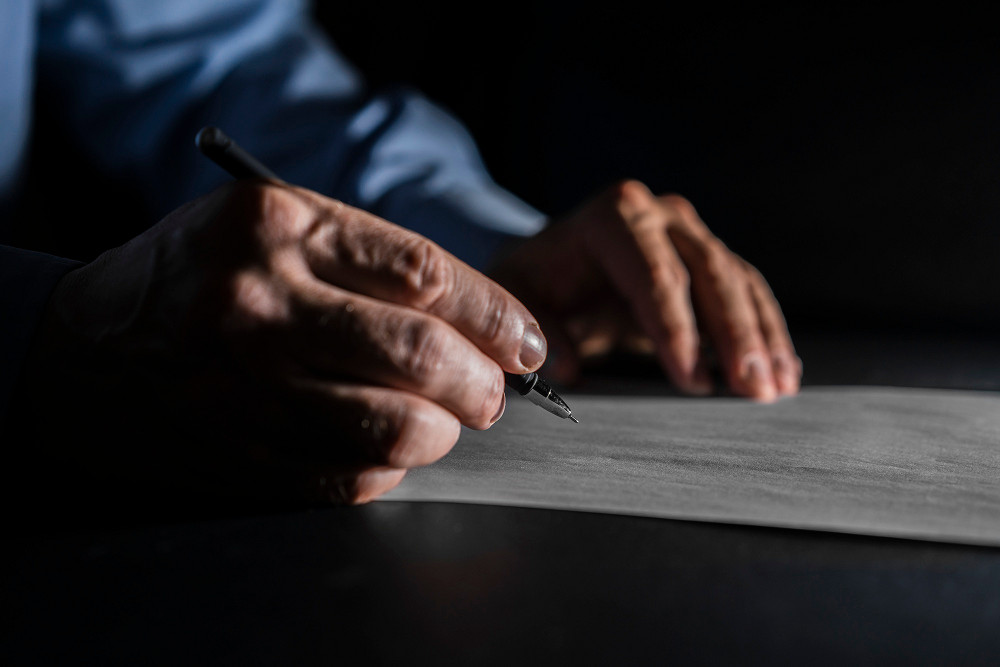
Losing someone you love is hard enough. When their death could have been prevented, the pain often comes with confusion, anger, and a lot of unanswered questions. Families are left wondering what went wrong and whether someone should be held responsible. That’s where a wrongful death case comes in. It gives families a way to seek justice and protect others from the same harm.
Birmingham is a city built on strong community values and deep family roots. From its historic neighborhoods to its growing medical and business centers, people here look out for one another. When a tragedy happens, it doesn’t just affect one household. It touches friends, coworkers, and entire communities. In moments like these, having guidance from a compassionate wrongful death attorney in Birmingham can make a real difference in understanding your rights and your options.
Before any legal action can move forward, though, one key question must be answered: what evidence is needed to prove a wrongful death case? The strength of the evidence often decides whether a family can hold the responsible party accountable. Knowing what to look for is the first step toward finding clarity in an overwhelming situation.
The Core Evidence You Need in a Wrongful Death Case
To win a wrongful death case, you must show that another person or organization caused your loved one’s death. Alabama law is clear on this. Under Ala. Code § 6-5-410, a personal representative can bring a claim when a death happens due to a “wrongful act, omission, or negligence.” That means the focus stays on what the defendant did wrong, not just on the loss you suffered.
Your evidence must prove four things:
- The defendant had a duty of care
- The defendant broke that duty
- That breach caused the death
- The act deserves legal punishment
Alabama treats wrongful death damages as punitive. The goal is to punish bad conduct and stop it from happening again, not to pay for personal losses like medical bills or grief.
Proving Negligence or Misconduct
You must show that the defendant acted carelessly or broke the law. Evidence often includes:
- Police or accident reports
- Safety inspection records
- Video footage
- Photos from the scene
- Witness statements
If the case involves a car crash, a report showing speeding or drunk driving matters. In a medical case, records showing mistakes or ignored symptoms help show fault.
Medical Records and Cause of Death
You need proof that the defendant’s actions caused the death. Medical records connect the dots. These records may include:
- Hospital charts
- Emergency room notes
- Autopsy reports
- Death certificates
An autopsy often carries strong weight. It explains how the injury or illness led to death. Without this link, the case weakens fast.
Expert Testimony
Some cases need experts to explain complex issues. This could include:
- Doctors
- Accident reconstruction specialists
- Safety engineers
They explain what went wrong in simple terms. Their job is to show how proper care would have prevented the death.
Evidence of the Defendant’s Behavior
You also need proof that the conduct deserves punishment. Alabama courts look closely at this.
Helpful evidence includes:
- Prior safety violations
- Past complaints
- Internal company emails
- Toxicology reports
This evidence shows whether the act was careless, reckless, or intentional.
Timeline and Documentation
Strong cases rely on solid records. Gaps create doubt.
Keep:
- A timeline of events
- Copies of all reports
- Names and contacts of witnesses
- Photos and videos
Write dates and details while they stay fresh.
Time Limits Matter
Alabama has strict deadlines. Under Ala. Code § 6-5-410(d), wrongful death claims must be filed within two years of the death. Missing this deadline ends the case, no matter how strong the evidence is.
What Makes Evidence Persuasive
Good evidence shares three traits:
- Clear
- Consistent
- Reliable
It tells one story without gaps or conflicts. When each piece supports the next, your case becomes hard to challenge.
Wrongful death cases rely on proof, not emotion. Evidence speaks for your loved one when they no longer can.
Key Takeaways
– You must prove a wrongful act, negligence, or omission caused the death
– Medical records and autopsy reports link the act to the cause of death
– Police reports, photos, videos, and witnesses support what happened
– Expert testimony explains complex medical or technical issues
– Evidence of reckless or repeated behavior strengthens the case
– Clear documentation and timelines reduce doubt
– Alabama law sets a strict two-year deadline to file the claim


Officer, bystander injured in Baltimore County shooting

5 stabbed at New York’s Penn Station; suspect arrested

Major 7.8 earthquake strikes Philippines, tsunami threat issued

2 killed after U.S.-registered private jet crashes in Dominican Republic
-

 World1 week ago
Dutch police review arrest after pregnant woman thrown to ground in viral video
-

 World1 week ago
U.S. citizen killed in shootout near Cabo tourist area in Mexico
-

 US News1 week ago
3 Latvian climbers killed in fall on Denali in Alaska; others injured
-
 Legal1 week ago
2 officers, police K-9 injured in Virginia shooting
-

 US News1 week ago
United flight turns around over Atlantic after Bluetooth device named BOMB
-
 Legal6 days ago
3 killed, officer wounded in shooting in Sandy, Oregon
-
 Legal6 days ago
1 killed, 1 seriously injured in shooting near clinic in Saskatchewan, Canada
-
 Legal4 days ago
Mississippi deputy shot during standoff in Simpson County