
Reviews
6 Flavour Elements That Define Italian-Inspired Tuna Dishes

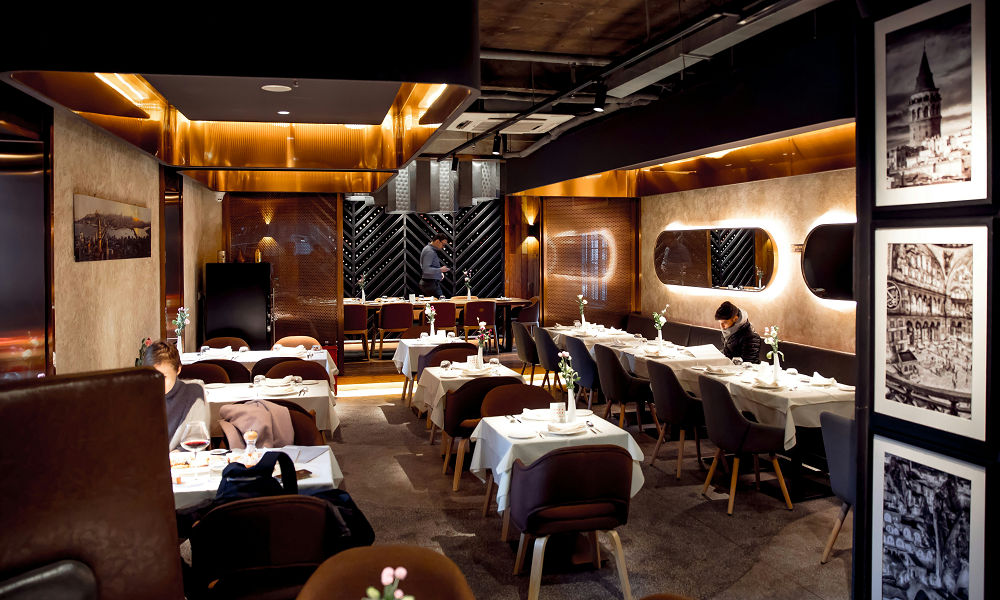
When Italian food is used to inspire tuna dishes, it always feels light, balanced, and full of flavour, which is hard to achieve with heavy sauces. In Italian cuisine, the sauce is never meant to cover up the fish’s flavours. Instead, the spices are used to bring out their subtleties.
Are you curious about what elevates this dish? Here are six flavour elements that always give the dish an Italian feel while keeping it simple and high-toned.
1. Use Quality Olive Oil as the Base
Olive oil imparts a sense of depth and body to the dish, rendering it an ideal complement to the fish. It ensures that everything is well combined and that the dish is not particularly heavy, while also serving as a carrier for other flavours.
The tuna is one of the Italian dishes that receives a light drizzle of olive oil. It doesn’t matter if the olive oil is raw or gently heated; it makes the taste better while still being light on the tongue.
2. Acidity From Citrus Or Vinegar
Acidity is essential when dealing with tuna because it is required for the overall presentation of a dish that is intended to be balanced. Whether lemon juice, capers, or a hint of vinegar, it is also a way to “slice” through the richness and boost the palate.
Similarly, the use of acidity in Italian cuisine is less about overpowering than enhancing. It provides a tartness that makes the flavour brighter and maintains balance, lifting the tuna flavour in the dish.
3. Fresh Herbs For Aroma And Depth
Herbs offer a tangy smell and a lively essence to tuna. Rich layers of some herbs, such as basil, parsley, and oregano, contribute to taste without masking the flavours of the fish. Their natural-smelling oil contrasts with the clear tuna. Another technique is to avoid cooking the herb as hot. Instead, sprinkle them on top to retain their rich, well-rounded flavour.
4. Respect For The Tuna Itself
Italian-inspired dishes maintain the ingredient’s respect. Whether simply handled, cooked gently, or served even nearly raw to maintain texture and flavour, the tuna is never seen as overworked.
Additionally, despite being Italian inspired tuna, the emphasis remains on fresh and balanced. The whole “first name concept” makes the dish feel well thought out, with each part made to enhance, rather than to detract from, the fish.
5. Natural Salinity From Capers Or Anchovies
Many Italian-inspired tuna recipes rely on these natural sources of saltiness instead of relying on heavy seasoning. Capers, olives, and, in other cases, anchovies add a simple pinch of salt that is more than enough.
Even the most vulnerable palate can note the added savour. The dish, however, does not feel salty. The contrast in such controlled salinity is manifest. The palate is crisp, and the flavour of the tuna is drawn out.
6. Tomatoes For Sweetness And Body
In so many Italian tuna dishes, tomatoes included, they add a soft sweetness and a bit of body. They can be fresh, slow-cooked, or even lightly crushed to help the fish behind be more yielding. Their little bit of acid also does very well with tuna. In Italian cuisine, tomatoes are used relatively lightly.
Where Simplicity Creates Lasting Flavour
Indeed, in the tuna course, no element struggles for attention, and each of them is placed together on the plate. When it comes to the right ingredients and the right approach, tuna has the power to become the focal point of a dish that tastes classic and relevant and is surprisingly refreshing.


Officer, bystander injured in Baltimore County shooting

5 stabbed at New York’s Penn Station; suspect arrested

Major 7.8 earthquake strikes Philippines, tsunami threat issued

2 killed after U.S.-registered private jet crashes in Dominican Republic
-

 World1 week ago
Dutch police review arrest after pregnant woman thrown to ground in viral video
-

 World1 week ago
U.S. citizen killed in shootout near Cabo tourist area in Mexico
-

 US News1 week ago
3 Latvian climbers killed in fall on Denali in Alaska; others injured
-

 Legal1 week ago
2 officers, police K-9 injured in Virginia shooting
-

 US News1 week ago
United flight turns around over Atlantic after Bluetooth device named BOMB
-

 Legal6 days ago
3 killed, officer wounded in shooting in Sandy, Oregon
-

 Legal6 days ago
1 killed, 1 seriously injured in shooting near clinic in Saskatchewan, Canada
-

 Legal4 days ago
Mississippi deputy shot during standoff in Simpson County