
Reviews
The Best Time of Year to Charter a Private Yacht in the Caribbean

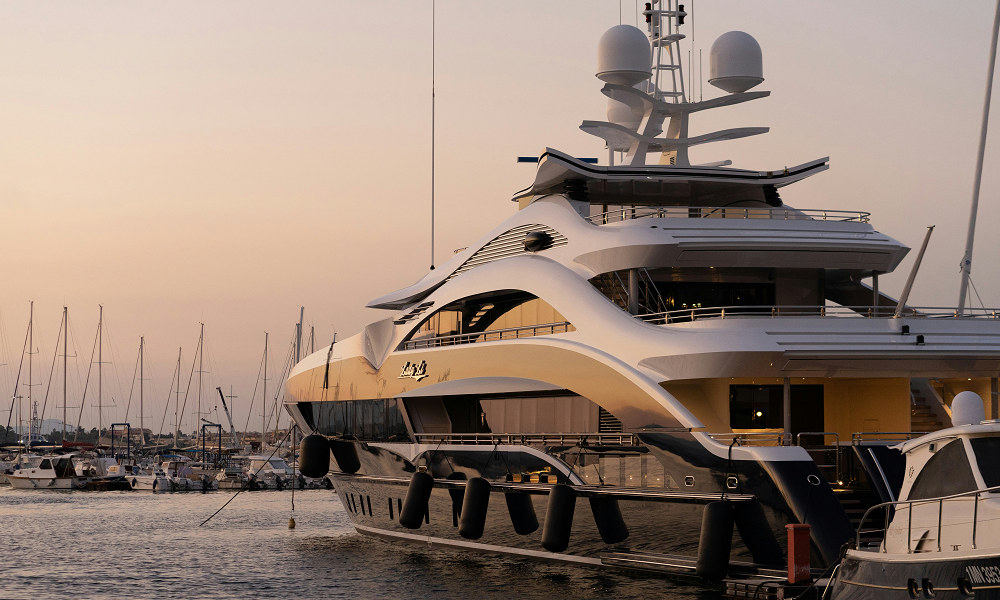
The Caribbean remains the world’s most coveted sailing destination for good reason. From the low-lying cays of the Bahamas and the volcanic peaks of St. Lucia to the pristine anchorages of the Grenadines, the region offers an extraordinary range of experiences within a single ocean. Yet what separates a truly memorable voyage from a merely pleasant one is rarely the vessel itself — it is timing. Whether you are seeking secluded anchorages or vibrant island nightlife, securing the right yacht for rent is only the first step; matching your voyage to the optimal season ensures the experience exceeds every expectation.
The Caribbean calendar is shaped by trade winds, rainfall patterns, and a social calendar that dictates prices, availability, and the character of each anchorage.
The High Season: Winter Sun and Elite Gatherings
Stretching from mid-December through April, the high season defines the Caribbean yachting experience for most charter guests. Consistent northeast trade winds keep temperatures comfortable — typically between 24°C and 29°C — while rainfall drops to its annual low. Humidity remains moderate, skies stay largely clear, and sea conditions favor both confident sailors and those who prefer their captain to handle the helm.
Demand during these months reflects the quality of the conditions. Berths fill quickly, preferred itineraries get claimed months in advance, and charter rates command a premium across all vessel categories.
The Festive Season Rush
The period between Christmas and New Year’s Eve represents the peak within the peak. St. Barts becomes the epicenter of Caribbean social life during these weeks, with the harbor at Gustavia hosting a remarkable concentration of private yachts and exclusive gatherings. Booking a quality vessel for this window — particularly one capable of anchoring off St. Jean beach or joining the festivities at Nikki Beach — requires planning that begins 6 to 12 months in advance. Last-minute availability in late December is essentially nonexistent for desirable yachts.
For those with more flexibility, February through April offers what many experienced charter guests consider the finest sailing weeks of the year. The holiday crowds have dispersed, the trade winds blow with pleasing regularity across the Leeward and Windward Islands, and water temperatures sit at their warmest. The BVI, St. Vincent and the Grenadines, and Antigua are especially rewarding during these months, combining reliable conditions with a relaxed atmosphere in the marinas and anchorages.
The Shoulder Season: Finding the Perfect Balance
The months immediately bracketing the high season — November at one end, May and June at the other — offer a compelling proposition for guests who prioritize value and exclusivity over guaranteed perfection.
November marks the transition into the charter calendar. Provisioning options are fully stocked, crews are freshly rested, and the marinas of Tortola, St. Martin, and Antigua are beginning to fill without yet reaching the intensity of January. Charter rates typically reflect a meaningful discount compared to midwinter, and preferred dates are considerably easier to secure.
May and June represent the other shoulder period, and they are arguably underappreciated. The winter crowds have moved on, anchorages that were packed in March feel spacious, and the conditions for sailing remain excellent. Humidity begins its gradual rise, but the trade winds are still reliable. For guests who want the physical beauty of the Caribbean without the social intensity of the high season, late May and early June can be genuinely rewarding weeks. Rates in both shoulder periods tend to be negotiable, and brokers often have access to offers that simply do not exist in January.
Navigating the Low Season and Hurricane Belt
July through October is hurricane season across the greater Caribbean, and the risks are real. The Atlantic basin generates most of its named storms between August and October, and even a storm that does not make landfall can produce swell, squalls, and deteriorating conditions across a wide area. Most reputable charter operators and their insurers impose restrictions on where vessels may be based during these months, and many yachts reposition entirely.
The table below provides a practical overview of how the three seasons compare:
| Season | Months | Weather Conditions | Pricing & Availability |
| High Season | December – April | Stable trade winds, low rainfall, 24–29°C, excellent visibility | Premium rates; peak weeks require 6–12 months advance booking |
| Shoulder Season | November, May – June | Generally good sailing; slightly higher humidity at edges; reliable winds | Competitive rates; good availability; negotiable on preferred dates |
| Low Season | July – October | Hurricane risk; unpredictable weather; potential for squalls and swell | Lowest rates; restricted insurance zones; limited reputable options |
It would be misleading to suggest that summer charters are impossible. A cluster of islands sits south of the primary hurricane belt and remains statistically safe throughout the season. The ABC islands — Aruba, Bonaire, and Curaçao — along with Trinidad and Tobago and Grenada occupy latitudes that most Atlantic storm systems track north of before intensifying. Guests who understand the risks and are willing to concentrate their itinerary in these southern waters can charter at significantly reduced rates during July and August, often with exceptional flexibility on vessel choice.
Aligning Your Charter with Premier Caribbean Events
For a significant portion of charter guests, the calendar is not simply a backdrop — it is the destination. The Caribbean’s yachting event season draws participants and spectators from around the world, and positioning a charter around one of these dates transforms the voyage into something genuinely exclusive.
- St. Barths Bucket Regatta (March): Widely regarded as the premier superyacht regatta in the western hemisphere, the Bucket brings together some of the world’s most remarkable sailing yachts off St. Barts for three days of racing and a social programme that extends well beyond the racecourse.
- Antigua Charter Yacht Show (December): Held at the opening of the high season, this trade event transforms English Harbour into a gathering point for charter professionals and their clients. For guests keen to preview vessels or meet crews, there is no more concentrated opportunity in the region.
- Antigua Sailing Week (late April / early May): One of the oldest and most respected offshore regattas in the world. The racing is serious, the parties are legendary, and the atmosphere in Falmouth Harbour during race week is unlike anything else in the Caribbean.
- BVI Spring Regatta (late March – early April): Held across the Sir Francis Drake Channel, this multi-class event draws hundreds of boats to the British Virgin Islands for a week of competitive sailing and festivities ashore at Nanny Cay.
- Grenada Sailing Week (January): A growing fixture on the Southern Caribbean calendar, offering competitive racing and the warmth of Grenadian hospitality as a contrast to the more crowded northern islands.
Placing a charter in proximity to any of these events demands particularly early planning. Marina berths within reach of regatta venues are among the first bookings to disappear each season, and a broker with established relationships in the relevant ports will make a material difference in what options remain available.
Booking Strategies for the Caribbean Calendar
The practical question most guests face is not which season to choose but how far in advance to act. For Christmas and New Year’s week, the answer is: earlier than feels comfortable. The most sought-after yachts — those with strong crew reputations, preferred home ports, and well-maintained interiors — are often committed by February or March of the preceding year. Waiting until September to plan a December departure significantly narrows the field.
The period from February through April offers slightly more breathing room, though popular vessels in the BVI and St. Vincent still move quickly. A working lead time of four to six months is realistic for most high-season weeks.
Shoulder season charters present genuine opportunities for flexible guests. A broker monitoring availability in October or November can often identify strong yachts with open weeks in late May or June at rates that reflect the softer demand. Last-minute offers do occasionally appear, particularly for guests who can commit to departure within two to three weeks.
Setting Your Course for Tropical Perfection
The Caribbean offers something exceptional in every month of the year — the question is always honest alignment between expectations, budget, and the realities of each season. High season delivers the most reliable conditions and the most vibrant social calendar, at a corresponding price. Shoulder months reward guests who value space and flexibility. The low season remains viable for those who concentrate their itinerary in the southern islands with full awareness of the weather risk.
Whichever window suits your plans, the starting point is a conversation with a broker who understands the full picture. Reach out to discuss your preferred dates, your vision for the voyage, and which vessels best match the season you have in mind.


Officer, bystander injured in Baltimore County shooting

5 stabbed at New York’s Penn Station; suspect arrested

Major 7.8 earthquake strikes Philippines, tsunami threat issued

2 killed after U.S.-registered private jet crashes in Dominican Republic
-

 World1 week ago
Dutch police review arrest after pregnant woman thrown to ground in viral video
-

 World1 week ago
U.S. citizen killed in shootout near Cabo tourist area in Mexico
-

 US News1 week ago
3 Latvian climbers killed in fall on Denali in Alaska; others injured
-

 Legal1 week ago
2 officers, police K-9 injured in Virginia shooting
-
 US News1 week ago
United flight turns around over Atlantic after Bluetooth device named BOMB
-

 Legal6 days ago
3 killed, officer wounded in shooting in Sandy, Oregon
-
 Legal6 days ago
1 killed, 1 seriously injured in shooting near clinic in Saskatchewan, Canada
-

 Legal4 days ago
Mississippi deputy shot during standoff in Simpson County