
Reviews
How to Identify Signs of Financial or Physical Elder Abuse in 2026

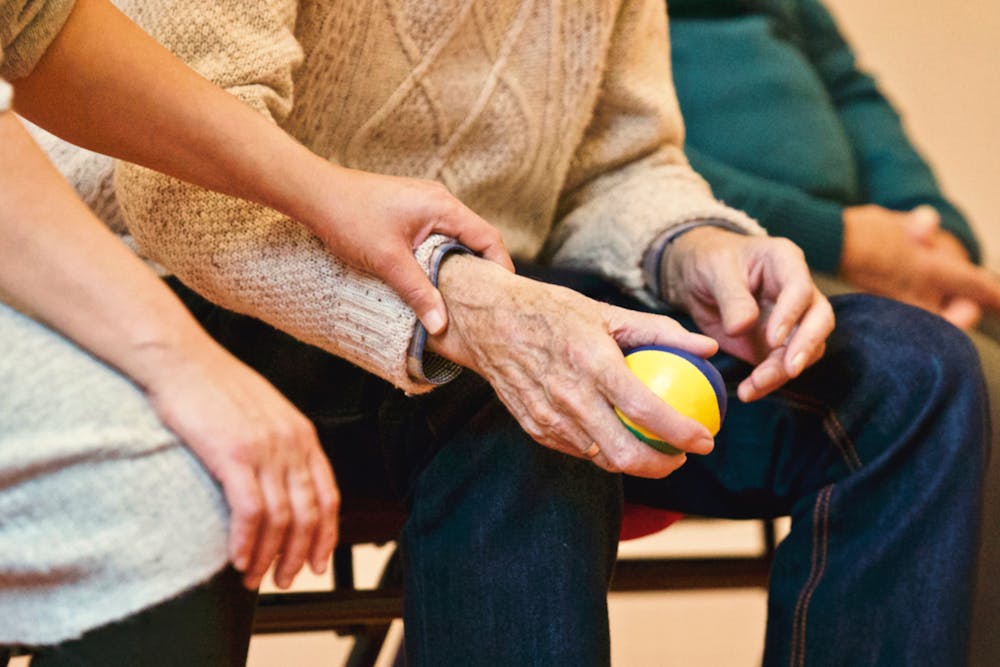
Taking care of our seniors is a big responsibility. As our loved ones age, they often rely more on others for daily tasks and safety. Unfortunately, this vulnerability can sometimes lead to mistreatment. Whether it happens at home or in a care facility, knowing the warning signs is the first step toward protection. Below are four critical signs you should notice:
1. Spotting the Signs of Physical Mistreatment
Physical abuse involves any force that causes pain or injury. You should look for unexplained bruises, cuts, or even broken bones. Staff or caregivers might often give vague excuses for these injuries. If you see marks on both sides of the body or patterns like finger marks, take it seriously.
Another major sign is a sudden behaviour change. If your loved one flinches when you touch them or seems afraid of a specific person, they might be facing harm. Many people think these changes are just part of aging, but they are often red flags. A recent report on aging found that nearly one in 10 Americans aged 60 and older has experienced some form of elder abuse. This shows that the problem is more common than many families realize.
2. Watching for Financial Exploitation
Financial abuse is often quiet and hard to see. It happens when someone steals money or misuses a senior’s assets. Watch out for strange bank activity or missing cash. You might notice bills going unpaid even though the senior has enough money. Sometimes, a “new friend” or a relative might suddenly take a huge interest in their bank accounts.
If you suspect something is wrong in a care setting, it is vital to act quickly. Families should look into nursing home abuse compensation to understand how to hold the right people accountable. Legal experts can help you recover losses and ensure the senior’s safety moving forward. Getting professional help early can prevent further damage to their life savings.
3. Recognize Neglect and Poor Care
Neglect is a form of abuse where a senior does not get enough food, water, or medicine. You might notice poor hygiene, such as unwashed hair or dirty clothes. Bedsores are a very serious sign of neglect in nursing homes. These wounds happen when a resident is left in one position for too long.
The impact of this neglect is heavy on the healthcare system and families. According to a study published, approximately 27% of nursing facilities received serious deficiencies for actual harm or jeopardy posed to residents. This highlights why regular visits and check-ins are so important for keeping facilities honest.
4. Understanding Emotional and Verbal Abuse
Emotional abuse is just as damaging as physical harm, even if you cannot see the scars. It involves yelling, threats, or ignoring the senior on purpose. This type of abuse often aims to control the older person by making them feel small or scared. You might notice your loved one becoming unusually quiet or withdrawn when a certain caregiver is nearby.
Pay attention to how caregivers speak to your family member. If they are dismissive or use harsh language, it is a sign of a toxic environment. Since these signs are subtle, they are often the most ignored, but they require immediate attention to protect the senior’s mental health.
Endnote
If you see these signs, do not wait for things to get worse. Document everything you see, including photos of injuries or copies of bank statements. Talk to the senior in a private place where they feel safe. If they are in immediate danger, call the authorities right away. Staying informed and alert is the best way to keep our elders safe and happy in 2026.


Actor James Handy killed by girlfriend’s son at Los Angeles home

Massive explosion reported at suspected fuel theft site in Mexico

U.S. sanctions Cuban President Miguel Díaz-Canel

Amazon employee shot and killed in fulfillment center garage near Chicago
-

 World1 week ago
Dutch police review arrest after pregnant woman thrown to ground in viral video
-

 World1 week ago
2 injured after Russian drone hits apartment building in Romania
-

 World7 days ago
U.S. citizen killed in shootout near Cabo tourist area in Mexico
-

 US News1 week ago
3 Latvian climbers killed in fall on Denali in Alaska; others injured
-
 Legal7 days ago
2 officers, police K-9 injured in Virginia shooting
-

 US News1 week ago
United flight turns around over Atlantic after Bluetooth device named BOMB
-
 Legal6 days ago
3 killed, officer wounded in shooting in Sandy, Oregon
-
 Legal6 days ago
1 killed, 1 seriously injured in shooting near clinic in Saskatchewan, Canada