
Reviews
What Recourse Do Renters Get for Rodent Infestations


Rodents in a rental unit are not a minor inconvenience. They are often a sign that the home no longer meets basic living standards, and renters have rights when that happens. Knowing what recourse is available depends on understanding habitability rules, timelines, and how infestations are properly identified.
When Rodent Infestations Violate Habitability Standards
Most states require landlords to provide housing that is safe, sanitary, and livable. Rodent infestations often violate these standards because mice contaminate food areas, damage wiring, and pose health risks.
When infestations arise from structural issues, shared walls, or conditions beyond tenant control, habitability laws usually place responsibility on the landlord.
Why Health Risks Change The Urgency
Mice are known to spread bacteria and allergens through droppings and urine. Even without direct contact, contaminated surfaces can pose risks, particularly for children, older adults, and people with respiratory conditions.
For renters, these risks matter because they shorten the amount of time a landlord has to respond. A visible infestation affecting health usually requires faster action than cosmetic or non-essential repairs.
Identifying And Documenting Rodent Activity
Correct identification is critical before any legal or enforcement steps are taken. Scratching sounds, droppings, gnaw marks, and nesting materials all point to active rodent presence, not a one-time intrusion.
Effective documentation shows that the problem is ongoing and measurable, not speculative. Many modern property managers rely on monitoring-based Mice Control systems that detect rodent activity through motion, heat, and usage patterns rather than waiting for infestations to worsen. That same level of specificity helps renters when building a paper trail.
Before notifying your landlord, gather clear evidence that supports your claim:
- Photos of droppings or damaged materials
- Dates and times of sightings or noises
- Written maintenance requests
- Records of attempted repairs or treatments
Reasonable Timelines For Landlord Action
What counts as “reasonable” depends on severity and local law, but rodent infestations tied to health concerns are rarely allowed to linger. In many jurisdictions, landlords are expected to take meaningful action within days or a couple of weeks.
If treatment efforts fail repeatedly, renters are not required to accept indefinite delays. A pattern of ineffective responses can support further remedies.
Rent Escrow And Code Enforcement Options
When landlords fail to act, renters may be able to contact local code enforcement or health departments for inspections. Violations can force repairs and create official records that protect the tenant.
Some renters also qualify for rent escrow, where rent is paid to a court until the issue is resolved. This option usually requires strict notice procedures and strong documentation, making preparation essential.
Taking Action When Rodent Problems Persist
Rodent infestations give renters more leverage than many people realize. Habitability laws, health standards, and documentation work together to create enforceable recourse.
If you are dealing with an unresolved infestation, review your local tenant protections and consider professional guidance. Experiences like these are worth discussing, and sharing your situation in the comments or seeking qualified help can be the first step toward restoring a safe living space.


Officer, bystander injured in Baltimore County shooting

5 stabbed at New York’s Penn Station; suspect arrested

Major 7.8 earthquake strikes Philippines, tsunami threat issued

2 killed after U.S.-registered private jet crashes in Dominican Republic
-

 World1 week ago
Dutch police review arrest after pregnant woman thrown to ground in viral video
-

 World1 week ago
U.S. citizen killed in shootout near Cabo tourist area in Mexico
-

 US News1 week ago
3 Latvian climbers killed in fall on Denali in Alaska; others injured
-
 Legal1 week ago
2 officers, police K-9 injured in Virginia shooting
-
 US News1 week ago
United flight turns around over Atlantic after Bluetooth device named BOMB
-
 Legal6 days ago
3 killed, officer wounded in shooting in Sandy, Oregon
-
 Legal6 days ago
1 killed, 1 seriously injured in shooting near clinic in Saskatchewan, Canada
-
 Legal4 days ago
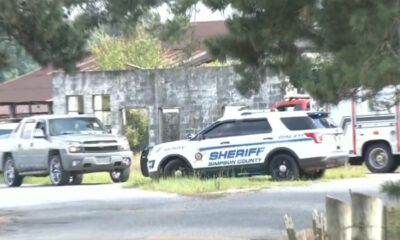
Mississippi deputy shot during standoff in Simpson County