
Reviews
Is Liposuction Safe?

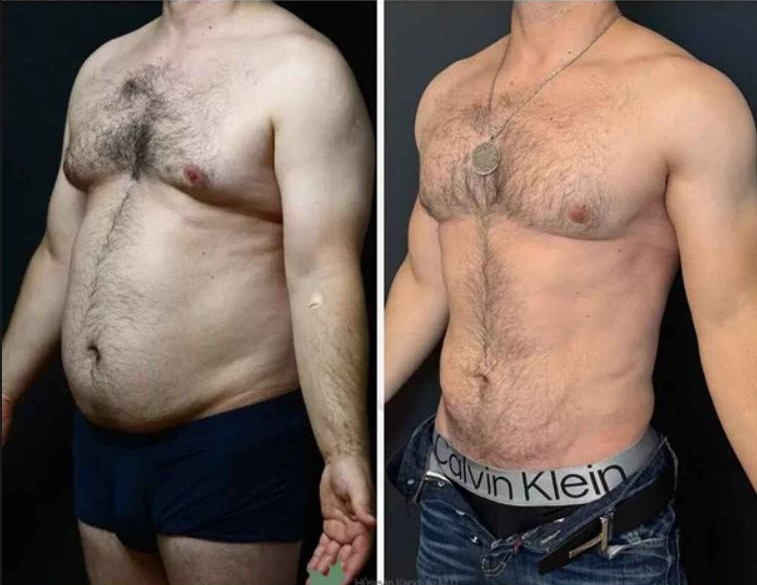
Liposuction is one of the most popular cosmetic procedures in the world, and it’s easy to see why: it can refine stubborn areas that don’t respond to diet and exercise, helping the body look more balanced and proporti****. Still, the question people ask most often—sometimes quietly, sometimes directly—is the one that matters most: Is liposuction safe?
The honest answer is that liposuction can be safe when it’s performed on the right candidate, by an experienced surgeon, in a properly equipped medical setting, with careful planning and follow-up. But it is still surgery. It has real risks, and those risks increase when corners are cut, when unrealistic amounts of fat are removed, or when patients travel without adequate aftercare planning. If you’re considering liposuction in Turkey, safety should be your starting point—not an afterthought.
Meet Dr. Hüseyin Kandulu
If you’re considering liposuction in Istanbul, Dr. Hüseyin Kandulu is known for body contouring procedures with an emphasis on natural-looking shape and proportion. Patients who seek liposuction often want more than a smaller measurement—they want a cleaner waistline, smoother transitions, and results that still look like them. That kind of outcome depends on planning and precision.
Dr. Kandulu’s approach to liposuction is typically centered on individualized assessment: your skin quality, fat distribution, anatomy, and lifestyle goals all guide the surgical plan. Whether the aim is waist refinement, abdominal contouring, back sculpting, or a more defined silhouette, safety begins with choosing the right procedure for the right body—and being honest about what will (and won’t) produce a beautiful, stable result.
What Liposuction Is
Liposuction is a surgical technique used to remove localized fat deposits through small incisions using a thin tube called a cannula. It’s designed for body contouring, not weight loss. That distinction matters, because the safest and most satisfying outcomes usually come from realistic goals: shaping the waist, refining the abdomen, smoothing the back, slimming the arms, or improving thigh contour—rather than chasing a dramatic drop on the scale.
Most modern liposuction procedures use a fluid-infusion approach to help reduce bleeding and allow smoother fat removal. Depending on the plan, your surgeon may use traditi**** liposuction or an assisted technology such as ultrasound-assisted techniques (often known by the term VASER), power-assisted liposuction, or other methods that support precision and sculpting. Technology can be helpful, but the surgeon’s judgment and technique are what ultimately determine safety and results.
What “Safe” Really Means in Liposuction
When people ask if liposuction is safe, they usually mean three things:
- Will I be okay during surgery? (anesthesia and medical safety)
- Will I heal well? (infection risk, wound care, recovery planning)
- Will I like the result long-term? (contour smoothness, skin behavior, realistic expectations)
A safe liposuction journey is one where the surgical plan respects your anatomy, your health profile, and the limits of what your body can safely handle in a single session.
The Biggest Factors That Affect Liposuction Safety
Safety isn’t about luck. It’s about decisions—before, during, and after the procedure.
Surgeon experience and planning
A careful surgeon doesn’t just “treat areas.” They plan the full silhouette. They consider transitions, symmetry, skin elasticity, and how much fat can be removed without compromising contour or healing. They also know when to say no, when to stage procedures, or when a different approach (like a tummy tuck for loose skin) may be more appropriate.
Medical setting and monitoring
Liposuction should be performed in a facility with proper standards, sterile technique, and the ability to monitor you closely during anesthesia and recovery. The safest clinics prioritize protocols, trained teams, and emergency readiness—not just aesthetics.
Patient selection
The safest candidates are generally healthy, close to a stable weight, and have localized fat deposits with reasonable skin elasticity. Conditions such as uncontrolled high blood pressure, blood clotting problems, certain heart or lung issues, or untreated dia****s can raise surgical risks. Smoking and nicotine use can also interfere with healing and increase complication rates.
The amount of fat removed
More isn’t always better. Overly aggressive liposuction can increase swelling, fluid shifts, contour irregularities, anemia risk, and prolonged recovery. A conservative, well-designed plan often looks better—and heals better—than a “maximal” approach.
Aftercare and recovery discipline
Compression garments, early gentle walking, hydration, medication compliance, follow-up appointments, and respecting activity restrictions all influence safety. Many problems that become “complications” start as small warning signs that were ignored or unmanaged.
Common Risks of Liposuction
Even when everything is done correctly, liposuction still carries risk. A good surgeon will review these clearly and in a way you understand.
Potential risks include:
- Swelling and bruising (expected to a degree)
- Contour irregularities such as lumps, unevenness, or waviness
- Fluid collection (seroma) that may require drainage
- Infection (rare, but serious if it occurs)
- Bleeding or hematoma
- Temporary or permanent numbness in treated areas
- Skin laxity if the skin doesn’t retract as hoped
- Blood clots (a major safety focus, especially with travel)
- Fat embolism or pulmonary complications (rare, but critical to prevent and recognize)
- Anesthesia-related risks that depend on your health and the length of surgery
The goal isn’t to scare you—it’s to help you make a grounded decision. A trustworthy clinic talks about safety upfront, because confident patients are informed patients.
What Makes Liposuction Safer
If you’re evaluating a clinic or surgeon, focus on how they handle the safety essentials—not just the before-and-after photos.
A proper pre-op evaluation
You should be asked about medical history, medications, supplements, previous surgeries, allergies, and lifestyle factors. If the consultation feels rushed or superficial, that’s a red flag.
Clear surgical limits
A safe plan respects time under anesthesia, realistic fat removal, and your body’s ability to heal. When a surgeon proposes “everything at once” without careful explanation, you should pause.
Thoughtful technique
Smooth results require controlled fat removal and careful blending. Over-suctioning can create dents and an unnatural look—especially in delicate areas.
Structured follow-up
Safety doesn’t end when you leave the operating room. Good aftercare includes follow-up checks, clear recovery instructions, and a plan for what to do if you notice warning signs.
Liposuction in Turkey: Safety Considerations for Internati**** Patients
Turkey, especially Istanbul, attracts many patients for cosmetic procedures. If you’re traveling for liposuction, your planning should include more than your hotel and flights.
Here are practical safety points that matter:
- Stay long enough for early follow-up. The highest-risk period for swelling, fluid collections, and complications is early on. Rushing to the airport too soon is not worth it.
- Ask who will see you after surgery. You should know how follow-up works, what’s included, and how to reach the team if something feels wrong.
- Plan your return travel carefully. Long flights and prolonged sitting can increase clot risk. Your surgeon may recommend specific movement, hydration, or preventative steps.
- Avoid turning recovery into tourism. Early recovery is not the time for long walks, shopping marathons, or day trips.
How to Know If You’re a Good Candidate
Many people assume candidacy is about weight, but it’s more nuanced than that. Liposuction works best when:
- Your weight is relatively stable
- You have localized fat deposits that resist lifestyle changes
- Your skin has enough elasticity to adapt after volume is removed
- You’re medically cleared for surgery
- You can commit to the recovery process
If loose skin is your main concern—especially after pregnancy or major weight loss—liposucti****one may not deliver the tight, smooth look you want. In those cases, your surgeon may discuss a combined plan or a different procedure that addresses skin laxity directly.
What Recovery Usually Feels Like
Most patients describe early recovery as tightness, soreness, and swelling rather than severe pain. The first week is usually the most uncomfortable, mainly because swelling and limited movement can feel frustrating. Compression helps, and gentle walking is often encouraged early.
Over the following weeks, swelling gradually decreases and the contour becomes clearer. It’s normal for results to look “in progress” for a while—especially if multiple areas were treated. The final result is not a one-week photo. It’s what you see after tissues settle and the body completes its healing.
Warning Signs You Should Never Ignore
After liposuction, your clinic should tell you what is normal and what is not. Seek urgent medical evaluation if you experience symptoms like:
- Sudden shortness of breath or chest pain
- One-sided leg swelling or severe calf pain
- High fever, worsening redness, or foul drainage from incision sites
- Severe, rapidly increasing swelling or intense pain not controlled by prescribed medication
- Fainting, confusion, or unusual weakness
Safety means acting early, not “waiting it out.”
Frequently Asked Questions
1) Is liposuction safe for everyone?
No. Safety depends on your health profile, medications, lifestyle factors, and the extent of treatment planned. A proper consultation and medical evaluation are essential.
2) Is liposuction a weight-loss surgery?
No. Liposuction is designed for contouring and shaping, not significant weight loss. It works best for localized fat deposits.
3) What makes liposuction more risky?
Major risk factors can include smoking/nicotine use, uncontrolled medical conditions, overly aggressive fat removal, long surgery times, lack of proper monitoring, and poor follow-up planning—especially with rushed travel.
4) How long does it take to recover?
You may feel noticeably better within a couple of weeks, but swelling can take longer to settle. Many patients see progressive refinement over several months.
5) Will my skin tighten after liposuction?
Sometimes, but not always. Skin tightening depends on elasticity, age, genetics, and how much volume is removed. If skin laxity is significant, other procedures may be recommended.
6) Are the results permanent?
Fat cells removed are gone, but weight gain can enlarge remaining fat cells and change your contour. Stable habits help maintain results.
7) Does VASER liposuction change safety?
Technology can support precision, but safety still depends on the surgeon’s technique, appropriate patient selection, and proper aftercare.
8) How do I choose a safe surgeon in Turkey?
Look for a surgeon who provides a detailed consultation, discusses risks clearly, sets reasonable surgical limits, explains aftercare thoroughly, and offers structured follow-up support.
9) When can I fly after liposuction?
Timing depends on your procedure and how you’re healing. If you’re traveling, plan enough time for early follow-ups and ask your surgeon for travel-specific safety guidance.
10) What should I ask in a consultation with Dr. Hüseyin Kandulu?
Ask which areas are best to treat for your silhouette, how much fat removal is planned, what recovery support is provided, how complications are handled, and what timeline is recommended if you’re traveling.


Actor James Handy killed by girlfriend’s son at Los Angeles home

Massive explosion reported at suspected fuel theft site in Mexico

U.S. sanctions Cuban President Miguel Díaz-Canel

Amazon employee shot and killed in fulfillment center garage near Chicago
-

 World1 week ago
Dutch police review arrest after pregnant woman thrown to ground in viral video
-

 World1 week ago
2 injured after Russian drone hits apartment building in Romania
-

 World7 days ago
U.S. citizen killed in shootout near Cabo tourist area in Mexico
-

 US News1 week ago
3 Latvian climbers killed in fall on Denali in Alaska; others injured
-
 Legal7 days ago
2 officers, police K-9 injured in Virginia shooting
-
 US News7 days ago
United flight turns around over Atlantic after Bluetooth device named BOMB
-
 Legal6 days ago
3 killed, officer wounded in shooting in Sandy, Oregon
-
 Legal6 days ago
1 killed, 1 seriously injured in shooting near clinic in Saskatchewan, Canada