
Reviews
The Future of Nursing: How Innovative Education Models Are Addressing the Crisis

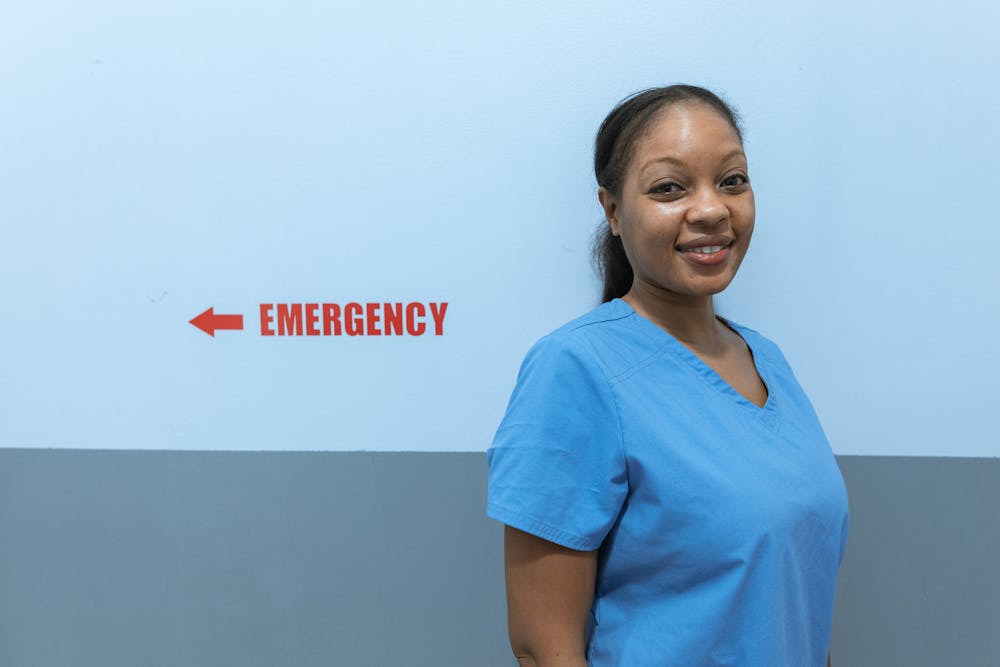
The U.S. healthcare system is facing a serious nursing shortage, and it’s becoming harder to keep up with the growing demand for care. With an aging population and more people needing healthcare services, nurses are in short supply. This shortage was made even worse by the COVID-19 pandemic, which added stress to an already strained system.
To address this crisis, there’s been a shift in how nursing education is approached. New, more flexible models are emerging to make nursing education quicker, more affordable, and more accessible. These changes are designed to help people from all walks of life enter the nursing profession and fill the growing number of open positions.
In this post, we’ll dive into some of these innovative educational approaches and how they’re shaping the future of nursing. Plus, we’ll discuss the importance of meeting certain prerequisites and what aspiring nurses need to do to prepare for these new pathways.
Innovative Nursing Education Models
One of the biggest obstacles for many aspiring nurses is the time and cost involved in traditional nursing programs. Most nursing degrees take four years or more to complete, and that can be a big barrier for those who want to make the career switch into healthcare. On top of that, the cost of tuition can be overwhelming, making nursing seem like an unreachable goal for some.
To address these issues, several new educational models have been developed to help students get through nursing school faster and more affordably. Here are a few examples:
1. Accelerated Programs
Accelerated nursing programs are gaining popularity because they let students earn a Bachelor of Science in Nursing (BSN) in a much shorter time—usually about 12 to 18 months. These programs are especially great for people who already have a bachelor’s degree in another field. With an accelerated program, you can transition into nursing quickly, without starting from scratch.
However, before entering one of these programs, there are some important prerequisite courses that students need to complete. These ABSN prerequisite courses are crucial because they provide the foundational knowledge needed for the intensive nursing curriculum. These include subjects like biology, chemistry, and anatomy, which are key to understanding what you’ll be learning in the nursing program. If you’re planning to apply to an accelerated nursing program, you’ll need to make sure you’ve completed these courses beforehand.
2. Online and Hybrid Programs
Another major shift in nursing education is the rise of online and hybrid programs. These programs allow students to complete most of their coursework online, while still getting hands-on clinical experience in person. This hybrid approach is perfect for people who need flexibility in their schedules—whether because of work, family commitments, or other responsibilities.
The ability to complete coursework remotely means students can continue their education without having to quit their jobs or relocate. Many of these online programs are also designed to be completed faster than traditional, on-campus programs, which is another draw for people looking to get into the workforce as quickly as possible.
Like accelerated programs, online and hybrid programs have their own set of prerequisites that students need to meet before applying. While the learning format might be different, the foundational knowledge still needs to be there, and that’s where courses like anatomy, microbiology, and nutrition come in.
3. Bridge Programs for Non-Nurses
Bridge programs are another innovative solution for those already working in healthcare but wanting to transition into nursing. These programs are ideal for people who have experience in fields like medical assisting, healthcare administration, or other related areas but don’t have a nursing degree. Bridge programs help students build on their existing skills and knowledge while providing the nursing education they need to become registered nurses.
These programs often have fewer requirements than traditional nursing degrees, but they still have prerequisites that students need to fulfill before starting. Bridge programs aim to make the transition into nursing as smooth as possible by focusing on the areas that non-nurses need to learn, while still providing them with the clinical skills and knowledge required to succeed in the field.
The Role of Prerequisites in New Nursing Pathways
While all of these new educational models make nursing more accessible, they still require students to meet certain prerequisites before they can get started. These courses are essential because they give students the academic foundation they need to succeed in nursing school and, eventually, in their careers.
For example, aspiring nurses need to have a strong understanding of biology, chemistry, and other sciences to be able to comprehend the medical and clinical concepts they’ll encounter throughout their studies. These prerequisites also help students develop critical thinking skills that are essential in nursing practice, where decision-making and problem-solving are key.
Before applying to an accelerated or online nursing program, it’s important for students to review the prerequisites for that specific program. These prerequisites can vary, but they often include courses in anatomy, physiology, and microbiology, among others. Being aware of these requirements ahead of time is key for prospective students because it allows them to prepare and ensures they’re ready for the challenges of nursing school.
The Future of Nursing Education
The nursing shortage is a problem that requires both immediate and long-term solutions. As the demand for healthcare workers continues to rise, nursing education models must evolve to meet that demand. These innovative educational pathways are helping to shorten the time it takes to become a nurse, making it possible for more people to enter the profession and support the healthcare system.
In the future, we can expect even more advancements in nursing education, including things like virtual reality clinical training, AI-assisted learning tools, and other technological innovations that will enhance the educational experience. These tools will not only improve the quality of education but also give students more opportunities to gain real-world experience in clinical settings, no matter where they are located.
Even as these new programs and technologies make nursing education more accessible, it’s still important for students to understand the prerequisites they’ll need to meet in order to be successful. Whether they’re choosing an accelerated program, an online option, or a bridge program, taking the time to complete these foundational courses ensures they’re fully prepared for nursing school and for a successful nursing career.
Conclusion
Nursing education is changing rapidly to meet the challenges of an understaffed healthcare system. With flexible programs and new learning models, more people than ever before can pursue a career in nursing. However, it’s crucial for aspiring nurses to make sure they’ve completed the necessary prerequisites before starting these programs. By doing so, they’ll be setting themselves up for success and helping to address the growing need for nurses in the healthcare system.
As the future of nursing education continues to evolve, these innovative programs will help ensure that we have the skilled nurses needed to care for our communities. With the right preparation and commitment, a career in nursing is within reach for more people than ever.


Actor James Handy killed by girlfriend’s son at Los Angeles home

Massive explosion reported at suspected fuel theft site in Mexico

U.S. sanctions Cuban President Miguel Díaz-Canel

Amazon employee shot and killed in fulfillment center garage near Chicago
-

 World1 week ago
Dutch police review arrest after pregnant woman thrown to ground in viral video
-

 World1 week ago
2 injured after Russian drone hits apartment building in Romania
-

 World7 days ago
U.S. citizen killed in shootout near Cabo tourist area in Mexico
-

 US News1 week ago
3 Latvian climbers killed in fall on Denali in Alaska; others injured
-
 Legal7 days ago
2 officers, police K-9 injured in Virginia shooting
-

 US News7 days ago
United flight turns around over Atlantic after Bluetooth device named BOMB
-

 Legal6 days ago
3 killed, officer wounded in shooting in Sandy, Oregon
-
 Legal6 days ago
1 killed, 1 seriously injured in shooting near clinic in Saskatchewan, Canada