
Reviews
Moved Into a Smaller Home? Here’s How to Upgrade It Beautifully

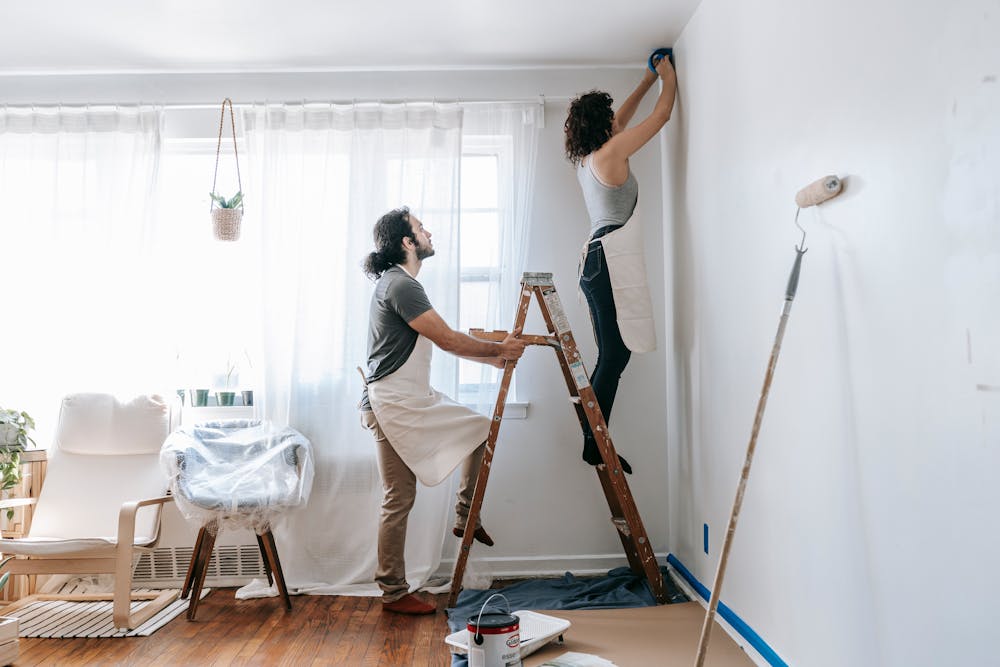
Moving into a smaller home can be a smart financial decision. In cities like Fort Lauderdale, where housing costs can run far above the national average, downsizing often makes practical sense. A smaller space can lower expenses, reduce maintenance, and simplify daily life. Still, many people worry about how they will fit their belongings, decorate a compact space, or make the home feel comfortable without looking crowded.
The truth is that a smaller home does not have to feel limiting. With the right design choices and organization strategies, it can feel stylish, welcoming, and surprisingly spacious.
Let’s explore how to upgrade a smaller home beautifully while making every inch count.
Declutter Before the Move to Avoid Bringing Unnecessary Stress
Packing everything you own into a smaller home usually creates frustration fast. Closets get packed, counters disappear under random items, and unpacking takes twice as long. That is why decluttering before the move saves so much energy later.
Selling furniture, old electronics, or extra decor can also help cover moving costs, especially in expensive cities like Fort Lauderdale. Some belongings are harder to decide on, though. Family items, seasonal decorations, or extra furniture may not need to go completely. Storage units help keep those pieces safe without crowding the new home. Some Fort Lauderdale moving companies even offer storage services, which makes the process easier since everything stays connected through one company instead of juggling separate services.
Understand the Potential of Your New Space
A smaller home needs a different approach. Instead of trying to recreate the layout from your old place, look at what the new home already does well. Maybe the living room gets great natural light, or the bedroom has better wall space for storage. Those details help guide your setup.
Walk through the house before unpacking everything. Picture how you actually live day to day instead of decorating out of habit. A reading chair near a bright window works better than forcing in a bulky sectional that blocks movement. Smaller homes feel better when every item has a purpose and enough breathing room around it.
Choose Furniture That Serves More Than One Purpose
Large furniture fills a small room fast, especially when every piece only serves one function. Multi-purpose furniture keeps the space practical without making it feel stuffed. Think storage ottomans, beds with built-in drawers, or dining tables that fold down when not in use.
That kind of setup clears visual clutter right away. Blankets disappear into hidden storage instead of piling onto chairs. Foldable tables open up walking space during the day. Even smaller additions help. A narrow entry bench with shoe storage underneath keeps the front area cleaner and easier to move through. The goal is not to squeeze in more furniture, but to choose pieces that earn their spot in the room.
Use Vertical Space to Increase Storage
When floor space gets limited, walls become valuable. Tall shelves, mounted cabinets, and floating storage keep rooms organized without making them feel heavy. Instead of stacking bins in corners, vertical storage pulls the eye upward and frees up the room itself.
Kitchens especially benefit from this. Open shelving keeps dishes accessible while making the space feel less boxed in than bulky upper cabinets. In bedrooms, wall-mounted lighting frees up nightstand space for essentials instead of clutter. Even bathrooms feel cleaner with narrow shelving above the toilet or beside the mirror. The room stays functional while still feeling open enough to relax in comfortably.
Upgrade Lighting to Make Smaller Rooms Feel Open and Bright
Lighting changes the entire atmosphere of a smaller home. Dark corners and heavy shadows make rooms feel tighter than they actually are. Good lighting softens the space and helps walls feel less closed in.
Natural light should stay as open as possible. Heavy curtains block brightness and make windows feel smaller, so lighter fabrics usually work better. Layered lighting also helps at night. Ceiling lights alone can feel harsh, especially in compact rooms. Table lamps, wall sconces, and warm-toned bulbs create a softer look that feels calmer and more welcoming. Even a small hallway feels wider when the lighting spreads evenly instead of leaving sections dim and closed off.
Stick to a Simple Color Palette for a Cleaner Look
Too many colors in a small home can make the rooms feel chaotic fast. Bright walls, patterned rugs, colorful furniture, and busy decor all compete for attention. The space starts feeling tighter because the eye has nowhere to rest.
A simple palette keeps everything calmer and easier to style. Soft whites, warm beige tones, light gray, or muted greens usually work well because they reflect light and keep rooms feeling open. That does not mean the home has to look dull. Texture adds character without creating visual clutter. Linen curtains, wood accents, and layered fabrics give the room personality while still keeping it balanced. Even small apartments feel polished when the colors connect naturally from room to room instead of changing dramatically at every doorway.
Create Defined Areas Without Using Bulky Dividers
Smaller homes often have open layouts, which sounds great until every part of the room starts blending together. The dining table turns into a workspace, the couch faces the kitchen, and the whole area can feel messy even when it is technically clean.
Instead of using large dividers or heavy furniture, use smaller design choices to separate spaces naturally. Rugs work well because they visually frame certain areas without blocking movement. Lighting helps too. A hanging light above the dining table immediately gives that corner its own purpose.
Even furniture placement changes the flow. A slim console table behind the couch subtly separates the living room from the rest of the space while keeping everything open and breathable.
Add Mirrors and Reflective Surfaces to Expand the Feel of the Space
Mirrors work especially well in smaller homes because they bounce light around the room instead of absorbing it. A darker room instantly feels brighter once natural light reflects across the walls instead of stopping at one corner.
Large mirrors near windows create the strongest effect. They catch daylight and spread it further through the room, which helps smaller areas feel less boxed in. Reflective surfaces help too. Glass tables, glossy finishes, and metallic accents keep the room feeling lighter instead of visually heavy.
A smaller home changes the way you think about space, but that is not always a bad thing. It pushes you to keep what actually works, use rooms more intentionally, and pay attention to comfort instead of excess. Once the layout starts flowing properly and the clutter stops taking over, the home feels easier to live in every single day. Morning routines become smoother, cleaning takes less effort, and the rooms feel calmer instead of constantly crowded.


Actor James Handy killed by girlfriend’s son at Los Angeles home

Massive explosion reported at suspected fuel theft site in Mexico

U.S. sanctions Cuban President Miguel Díaz-Canel

Amazon employee shot and killed in fulfillment center garage near Chicago
-

 World1 week ago
Dutch police review arrest after pregnant woman thrown to ground in viral video
-

 World1 week ago
2 injured after Russian drone hits apartment building in Romania
-

 World7 days ago
U.S. citizen killed in shootout near Cabo tourist area in Mexico
-

 US News1 week ago
3 Latvian climbers killed in fall on Denali in Alaska; others injured
-

 Legal7 days ago
2 officers, police K-9 injured in Virginia shooting
-

 US News7 days ago
United flight turns around over Atlantic after Bluetooth device named BOMB
-

 Legal6 days ago
3 killed, officer wounded in shooting in Sandy, Oregon
-

 Legal6 days ago
1 killed, 1 seriously injured in shooting near clinic in Saskatchewan, Canada