
Reviews
Signs That May Indicate Nursing Home Neglect or Abuse

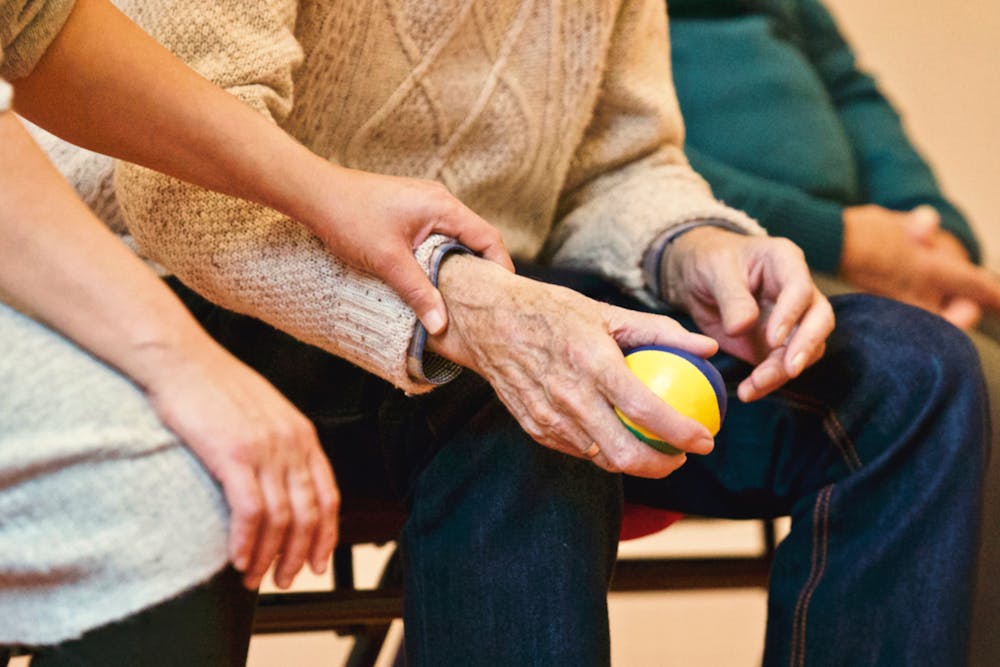
In South Carolina, where many families rely on long-term care facilities to support aging loved ones, trust plays a central role in daily decision-making. Nursing homes are expected to provide attentive care, dignity, and safety, yet concerns can arise when subtle changes emerge without a clear explanation. For relatives, distinguishing between the natural effects of aging and signs that something may be wrong can be difficult. That uncertainty makes it especially important to understand what patterns or behaviors might signal neglect or abuse before harm becomes more serious.
From physical condition to emotional well-being, small details can reveal larger issues when viewed over time. Recognizing these early indicators allows families to take action and seek answers with greater confidence. For those unsure how to proceed, it may help to review available resources or check their website to better understand legal options and protective steps moving forward.
Physical Changes
Fresh bruises, skin tears, burns, or unexplained fractures can point to rough handling, poor transfers, or unsafe supervision. Unplanned weight loss, dry lips, sunken eyes, and repeated urinary infections also deserve attention. Families reviewing these warning signs gather care notes, incident reports, and public inspection records, because visible injury paired with inadequate explanation can suggest neglect or direct mistreatment rather than normal aging or illness progression.
Hygiene Problems
Poor hygiene often reflects missed hands-on care. Soiled clothing, stale urine odor, greasy hair, or unchanged linens should not be accepted as routine. Cracked lips, dried food around the mouth, and overgrown nails may signal limited assistance with bathing or meals. Skin irritation can also worsen quickly when moisture stays on the body for long periods.
Emotional Shifts
Behavioral changes can carry as much weight as a visible wound. A resident may become guarded, unusually quiet, or tense when certain staff members enter the room. Sleep disruption, sudden tearfulness, or flinching during touch also matter. Some people stop engaging in their favorite activities after humiliating treatment. Fear rarely appears without a cause worth examining carefully.
Bedsores And Falls
Pressure injuries usually develop when an immobile person is left in one position too long. Early redness can deepen into open tissue damage and serious infection. Frequent falls may suggest weak supervision, unsafe lifting practices, or unaddressed mobility limitations. A single accident may happen anywhere, but repeated incidents warrant close review of staffing and care practices.
Medication Concerns
Medication problems can cause confusion, severe drowsiness, dizziness, or sudden physical decline. Missed doses may worsen heart failure, diabetes, seizures, or chronic pain. Extra doses can suppress breathing or impair balance. Families can request a current medication list and compare it with prior prescriptions. Any discrepancy should be accompanied by a plain, specific explanation from the care team.
Isolation Tactics
Some harmful environments reduce contact to limit outside scrutiny. Staff may interrupt visits, delay phone calls, or claim a resident is too tired to speak. Reduced access can conceal bruising, fear, or poor hygiene. Regular communication helps families notice changes in voice, alertness, memory, and mood that might otherwise pass unseen for weeks.
Financial Irregularities
Missing cash, absent jewelry, or unusual bank withdrawals can indicate exploitation. Sudden revisions to legal papers also merit attention, especially when cognition is impaired. Unpaid bills despite available funds may point to misuse by someone with access. Financial harm often appears beside neglect, because weak supervision can permit both forms of mistreatment to continue.
Staff Behavior
Staff conduct often reveals more than formal statements. Evasive answers, conflicting explanations, or reluctance to share records should raise concern. Respectful caregivers usually describe routines, symptoms, and treatment plans with patience. Harsh language, ridicule, or visible irritation toward residents may signal a culture in which dignity is not protected during daily stressful care.
Facility Patterns
One isolated concern may have an innocent explanation, yet repeated problems suggest a deeper system failure. Families should notice unanswered call lights, delayed toileting help, missed meals, or residents left in bed for long periods. Neat hallways do not guarantee safe care inside private rooms. Patterns across several visits usually tell the more reliable story.
When To Act
Delay can allow a preventable injury to worsen. If a resident has severe pain, heavy bleeding, breathing trouble, or a possible fracture, emergency help may be needed at once. Other situations may call for reports to state regulators, adult protective services, or local law enforcement. Early action can protect one resident and reduce risk for others.
Conclusion
Nursing home neglect or abuse rarely announces itself through one dramatic event. More often, it appears as a string of changes in skin condition, hydration, mobility, mood, cleanliness, or finances that do not fit the resident’s usual baseline. Families who stay observant can identify trouble earlier and push for answers before harm deepens. Consistent visits, clear documentation, and timely reporting help protect vulnerable adults and support accountability when care standards break down.


Actor James Handy killed by girlfriend’s son at Los Angeles home

Massive explosion reported at suspected fuel theft site in Mexico

U.S. sanctions Cuban President Miguel Díaz-Canel

Amazon employee shot and killed in fulfillment center garage near Chicago
-

 World1 week ago
Dutch police review arrest after pregnant woman thrown to ground in viral video
-

 World1 week ago
2 injured after Russian drone hits apartment building in Romania
-

 World7 days ago
U.S. citizen killed in shootout near Cabo tourist area in Mexico
-

 US News1 week ago
3 Latvian climbers killed in fall on Denali in Alaska; others injured
-
 Legal7 days ago
2 officers, police K-9 injured in Virginia shooting
-
 US News7 days ago
United flight turns around over Atlantic after Bluetooth device named BOMB
-

 Legal6 days ago
3 killed, officer wounded in shooting in Sandy, Oregon
-
 Legal6 days ago
1 killed, 1 seriously injured in shooting near clinic in Saskatchewan, Canada