
Reviews
New York Sidewalk Collapses and Infrastructure Failures: Who Pays When You Fall?

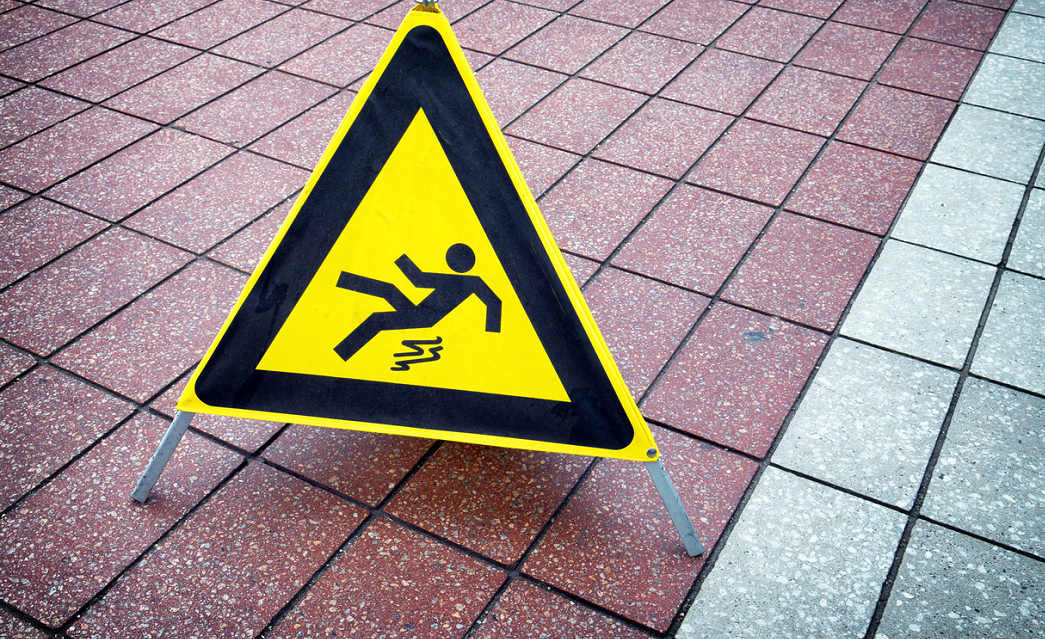
New York City’s aging infrastructure continues to make headlines as sidewalks crumble, collapse, and deteriorate across the five boroughs. While the city works to address these maintenance challenges, thousands of pedestrians each year suffer injuries from falls on defective sidewalks. According to data from New York State traffic safety authorities, approximately 15,000 pedestrians are injured annually throughout the state, with a significant portion of these incidents occurring on compromised walking surfaces rather than vehicle-related accidents.
When a sidewalk suddenly gives way beneath your feet or a crumbling concrete slab causes you to trip and fall, the question of liability becomes critical. Unlike many other cities where municipal governments bear responsibility for sidewalk maintenance, New York operates under a unique system that places this burden primarily on property owners. Understanding who’s responsible when infrastructure fails can make the difference between receiving fair compensation for your injuries or being left to cover medical bills on your own.
The Property Owner’s Burden Under NYC Administrative Code
New York City Administrative Code Section 7-210 establishes clear liability standards for sidewalk maintenance. Property owners are legally responsible for keeping the sidewalks adjacent to their properties in a “reasonably safe condition.” This obligation extends to both residential and commercial property owners, making them liable for injuries that result from their failure to maintain, repair, or replace damaged sidewalk sections.
The law defines defects as cracks, holes, or uneven surfaces that create tripping hazards. Property owners cannot simply claim ignorance of the condition; they have an affirmative duty to regularly inspect and maintain their sidewalk sections. When someone suffers injuries from a sidewalk collapse or deterioration, the adjacent property owner typically bears financial responsibility for medical expenses, lost wages, and other damages.
This system, unique to New York City, shifts the maintenance burden from the municipal government to individual property owners. While the Department of Transportation may issue violation notices requiring repairs, the day-to-day responsibility for safe sidewalks rests with property owners who must budget for ongoing maintenance and emergency repairs.
When the City Bears Responsibility
Despite the general rule placing liability on property owners, certain situations trigger municipal responsibility for sidewalk conditions. The City of New York maintains liability when sidewalks fail due to work performed by city agencies, utility companies working under city permits, or defects in city-owned property, such as street trees whose roots cause sidewalk damage.
Government infrastructure projects that disturb sidewalks temporarily transfer maintenance responsibility to the city until work completion and proper restoration. If a construction crew damages a sidewalk while working on water mains, electrical systems, or other infrastructure, the municipality may bear liability for injuries occurring before proper repairs are completed.
Additionally, NYC DOT maintains certain sidewalks in specific circumstances, including those adjacent to public housing, parks, and other government facilities. Determining whether your injury falls under city responsibility or property owner liability requires careful examination of the specific location and circumstances surrounding the incident.
Infrastructure Maintenance Gaps and Enforcement Challenges
New York City’s sidewalk maintenance system faces significant enforcement challenges. Many property owners, particularly those with limited financial resources or absentee landlords, fail to address sidewalk defects promptly. The city issues thousands of violation notices annually, yet compliance remains inconsistent across neighborhoods.
Budget constraints at both the property owner and municipal levels contribute to delayed repairs. Property owners facing unexpected repair costs sometimes defer maintenance, while the city’s inspection and enforcement resources struggle to keep pace with the aging infrastructure throughout the five boroughs. This creates a patchwork of well-maintained and dangerously deteriorated sidewalks, often within the same neighborhood.
The gap between violation notices and actual repairs can stretch months or even years, during which time pedestrians navigate hazardous conditions daily. When injuries occur during these delays, establishing liability requires documentation of when the defect was reported, what actions property owners took, and whether the city followed through on enforcement measures.
Understanding Your Rights After a Sidewalk Injury
When you suffer injuries from a sidewalk collapse or infrastructure failure, documenting the scene becomes critical to any potential legal claim. Photograph the defect from multiple angles, note the exact location, and gather contact information from witnesses. Medical documentation linking your injuries directly to the fall provides essential evidence for establishing causation.
New York’s legal framework for sidewalk injury cases involves strict timeframes and procedural requirements. Injured parties must file a notice of claim with the appropriate government entity within 90 days if the city bears responsibility, while claims against private property owners follow different rules. New York injury attorneys can help determine liability, navigate the complex notice requirements, and build a case that demonstrates how the property owner or municipality failed in their maintenance obligations.
Beyond immediate medical treatment, injured pedestrians should consider the full scope of damages, including ongoing medical care, physical therapy, lost income during recovery, and long-term impacts on mobility and quality of life. Infrastructure failure cases often involve multiple parties, from property owners to utility companies to municipal agencies, each potentially bearing partial responsibility for the conditions that caused your injury.
Moving Forward After Infrastructure Failures
New York City’s sidewalk maintenance system places unique responsibilities on property owners while creating complex liability questions when injuries occur. Whether your fall resulted from a crumbling sidewalk section, a collapse caused by underlying utility work, or deterioration that went unaddressed for years, understanding the legal framework helps protect your right to compensation.
As the city continues addressing its aging infrastructure challenges, pedestrians injured by maintenance failures shouldn’t bear the financial burden alone. The intersection of property law, municipal responsibility, and personal injury claims requires careful navigation to ensure those responsible for maintaining safe walking surfaces are held accountable when they fail in that duty.


Actor James Handy killed by girlfriend’s son at Los Angeles home

Massive explosion reported at suspected fuel theft site in Mexico

U.S. sanctions Cuban President Miguel Díaz-Canel

Amazon employee shot and killed in fulfillment center garage near Chicago
-

 World6 days ago
Dutch police review arrest after pregnant woman thrown to ground in viral video
-

 World1 week ago
2 injured after Russian drone hits apartment building in Romania
-

 World5 days ago
U.S. citizen killed in shootout near Cabo tourist area in Mexico
-

 US News6 days ago
3 Latvian climbers killed in fall on Denali in Alaska; others injured
-

 Legal5 days ago
2 officers, police K-9 injured in Virginia shooting
-

 US News1 week ago
11 presumed dead after chemical tank blast at Washington plant, river contaminated
-

 US News5 days ago
United flight turns around over Atlantic after Bluetooth device named BOMB
-

 Legal4 days ago
3 killed, officer wounded in shooting in Sandy, Oregon