
Health
Boy died of rabies after waking up with bat on his face in Canada

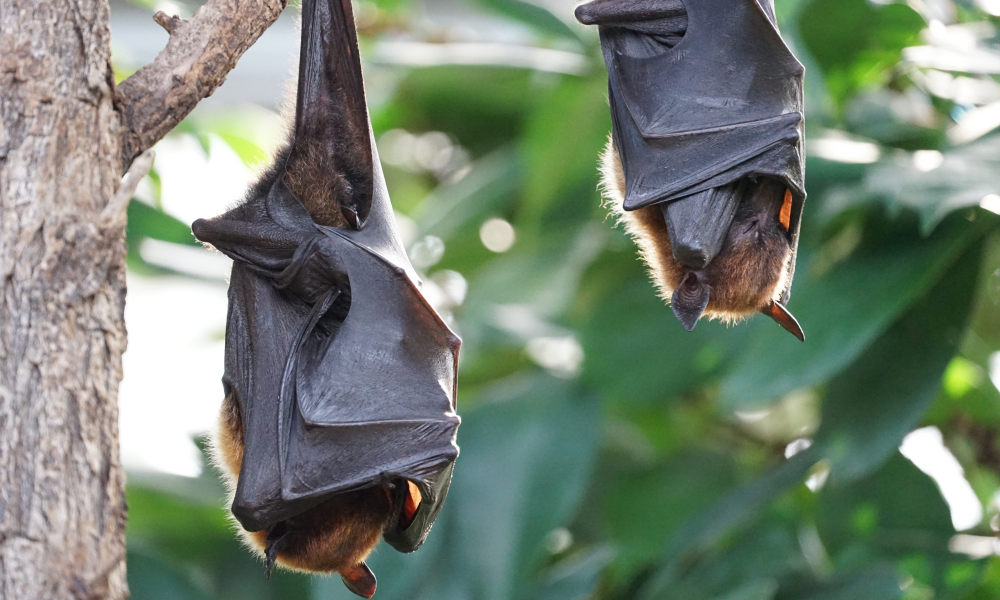
An 11-year-old boy in Canada died of rabies after waking up with a bat on his face during a family trip to a cottage, according to a newly published medical case report. The child had no visible bite marks.
The case happened in 2024 and was described in a report published Monday in the Canadian Medical Association Journal (CMAJ). The exposure occurred during a visit to a cottage in northern Ontario, about 19 days before the boy began showing symptoms.
His family said the boy woke up with the bat on his nose and mouth and swatted it away, after which his father trapped the animal in a cooking pot and released it outside.
The family did not seek medical assessment because the boy had no visible injuries on his face and his parents did not believe the bat had behaved unusually, according to the report.
The boy first developed numbness and tingling on the right side of his face, followed by loss of appetite and facial swelling. He was later treated at an urgent care clinic for what was believed to be Bell’s palsy caused by a herpes infection, but he was unable to take the medication because of painful swallowing.
He went to an emergency department in Ontario with throat pain and vomiting. Doctors found mild loss of sensation on the right side of his face and ulcers in his mouth, but his neurological exam was otherwise normal. His family then told hospital staff about the bat exposure.
Because of the bat encounter, the emergency physician notified local public health officials to consider rabies post-exposure treatment, but the boy was discharged with a presumed diagnosis of a severe herpes-related mouth infection.
The next morning, he returned to the emergency department with new weakness on the right side of his face, reduced sensation and slurred speech. He was admitted to the hospital and treated for suspected herpes infection and Bell’s palsy.
His condition quickly worsened. While awaiting admission, he developed a fever, difficulty swallowing, confusion and visual hallucinations. Later that day, he developed problems involving multiple nerves in his face and throat, along with excessive saliva, and he was placed on a ventilator to protect his airway.
Doctors said they strongly suspected rabies because of the bat exposure and the rapid development of neurological symptoms. A CT scan of his head was normal, but an MRI later showed abnormalities in parts of the brain and spinal cord that were considered compatible with rabies.
Testing of the boy’s saliva confirmed rabies on the fourth day of his admission. Further testing identified a bat rabies virus variant.
Doctors considered additional treatments, including rabies immune globulin delivered into the brain’s fluid spaces and a gene therapy aimed at producing an antibody, but neither was pursued because of the lack of proven benefit, limited availability and the boy’s rapid decline.
The boy’s condition continued to deteriorate. By the fifth day of his admission, doctors could no longer detect brainstem reflexes. Life-sustaining treatment was withdrawn on the 17th day of his hospitalization, and he died with his family at his bedside.
The case was the first locally acquired human rabies infection reported in Ontario since 1967. Canada has recorded only 28 human rabies cases since 1924.
Rabies is almost always fatal once symptoms begin, but it can be prevented if treatment is given soon after exposure. Doctors said bats are a particular risk because bites or scratches can be very small and may go unnoticed, especially when someone is asleep.


Boy died of rabies after waking up with bat on his face in Canada

Police sergeant, mother and daughter killed in Ohio shooting; suspect dead

Cuba suffers nationwide blackout after power grid collapses

Lauren Bennett, singer featured on ‘Party Rock Anthem,’ dead at 37
-

 World1 week ago
Germany breaks national all-time heat record amid European heatwave
-
 Legal1 day ago
6 shot, 1 killed, at San Antonio apartment complex
-

 World1 week ago
14 killed in Saudi oil company helicopter crash
-
 US News1 week ago
Texas deputy killed by truck at drunk-driving crash scene
-

 World1 week ago
Poland breaks its national heat record amid European heatwave
-
 Legal5 days ago
7 sentenced in Texas detention center attack that wounded officer
-
 World4 days ago
10 Buddhist monks killed when 11-year-old crashes pickup truck in Thailand
-
 Legal4 days ago
Suspect arrested at Las Vegas-area casino after mass shooting threats