
Reviews
The Economics Behind the Growing Popularity of Short-Term Yacht Charters

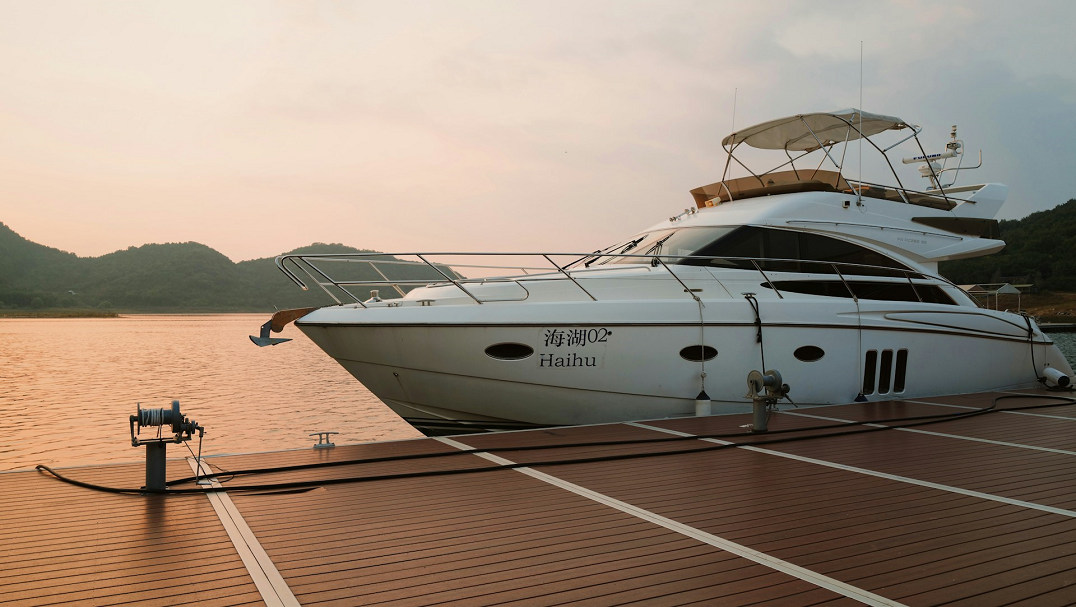
Not long ago, the idea of renting a yacht was tied to an image of elite luxury and exclusivity. But quietly, without much fanfare, something shifted. A group of teachers from Amsterdam, a few college friends celebrating a 30th birthday, a family from Warsaw on a summer splurge — these are the people booking yachts now. Not just dreaming about it. Actually booking.
So what happened, exactly?
The math of ownership finally caught up with owners
A privately owned recreational yacht spends more than 90% of its life tied to a dock. Just sitting there. Meanwhile, its owner pays berthing fees, insurance, maintenance, and occasional crew costs — typically 10–15% of the boat’s purchase price every single year, regardless of how often it actually sails.
At some point, owners started doing the math. If it’s not being used anyway, why not rent it out? Charter guests cover fuel, cover docking, sometimes cover more than that.
What was a $7.1 billion market in 2022 is expected to grow to over $11 billion by the end of the decade. Short-term charters — anything under ten days — are doing most of the heavy lifting.
The tech caught up with demand. What once felt impossible is now simple — cheap yachts for rent
can be compared across locations in just minutes. That friction reduction matters more than people realize — it’s what turns a vague “someday” into an actual reservation.
A different kind of traveler showed up
The customer changed. That’s really the core of it.
Millennials and older Gen Z travelers — the cohort that books experiences instead of buying things, that treats a weekend in Lisbon as casually as a local concert — started looking at yachts differently. Not as a luxury. As a format. Four days on the water with seven friends, splitting the cost, anchoring in coves that no tour bus reaches. When you break it down per person, it’s often cheaper than a boutique hotel.
Companies like GetBoat caught on early, offering boats in 60+ countries with simple, instant booking. Just search, compare, book.
When transaction costs drop, markets open up. That’s not a complicated idea — but the yacht industry took a surprisingly long time to figure it out.
Why short specifically
Two things explain why brief charters are outpacing longer ones:
- Schedule reality — Getting eight adults to free up two weeks simultaneously is nearly impossible. Four days feels doable. One of the biggest challenges is simply finding time that works for everyone.
- Efficiency in motion — Places like the Greek islands and Croatia have perfected the art of quick, same-day turnarounds. Boats get cleaned, checked, and re-provisioned between guests with impressive speed, which keeps short-term inventory flowing constantly.
These two forces feed each other. More short-term availability brings in more customers, more customers attract more operators, more operators compete on price. The cycle compresses costs further.
The shore feels it too
Charter tourism doesn’t stay offshore. Croatia pulled in over €14 billion from tourism in recent years, and yacht charters are a meaningful slice of that. But more interesting than the total number is how the money moves.
Unlike cruise passengers — who eat, drink, and shop almost entirely onboard — charter guests land in local markets. They buy produce in the morning, eat lunch at places with no English signage, hire the guy with the van who knows every hiking trail. The spending diffuses into the local economy in a way that cruise tourism simply doesn’t replicate.
That’s not a minor distinction. For smaller coastal communities, it’s the difference between being a backdrop and actually benefiting.
The window is open
Markets this accessible don’t always stay that way. Right now, supply is high, competition is keeping prices honest, and the booking tools are genuinely good. That combination won’t last forever — consolidation tends to follow growth, and prices usually follow consolidation. Economics created the opportunity. What you do with it is up to you.


Boy died of rabies after waking up with bat on his face in Canada

Police sergeant, mother and daughter killed in Ohio shooting; suspect dead

Cuba suffers nationwide blackout after power grid collapses

Lauren Bennett, singer featured on ‘Party Rock Anthem,’ dead at 37
-

 World1 week ago
Germany breaks national all-time heat record amid European heatwave
-

 Legal1 day ago
6 shot, 1 killed, at San Antonio apartment complex
-

 World1 week ago
14 killed in Saudi oil company helicopter crash
-

 US News1 week ago
Texas deputy killed by truck at drunk-driving crash scene
-

 World1 week ago
Poland breaks its national heat record amid European heatwave
-

 Legal5 days ago
7 sentenced in Texas detention center attack that wounded officer
-

 World4 days ago
10 Buddhist monks killed when 11-year-old crashes pickup truck in Thailand
-

 Legal4 days ago
Suspect arrested at Las Vegas-area casino after mass shooting threats