
Health
8 kittens die of H5N1 bird flu in the Netherlands

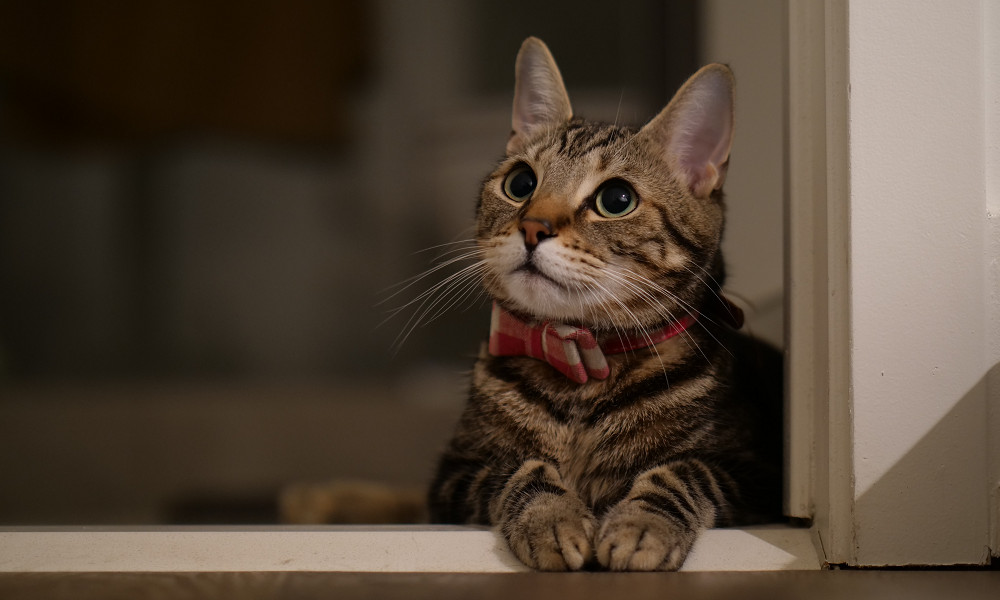
A litter of kittens in the Netherlands died after likely contracting H5N1 bird flu, according to Dutch Agriculture Minister Femke Wiersma. At least one of the kittens was confirmed to have carried the virus.
The letter sent to the Dutch parliament by Minister Wiersma, dated Monday, outlines findings from Wageningen Bioveterinary Research, which reported that a kitten found dead on November 19 at a farm with dairy goats had tested positive for H5N1.
The Dutch Food and Consumer Product Safety Authority (NVWA) visited the site the following day and collected samples from three adult cats and goats present at the farm. None of the other animals showed signs of illness, and all tested negative for avian influenza, according to the letter.
Wiersma wrote that seven additional kittens from the same litter later died after being placed with new owners, and officials suspect H5N1 was responsible. She said the mother cat had been seen bringing a wild bird carcass into the nest in late October, and health officials believe the kittens were likely infected after eating the bird.
Local health authorities contacted all new owners, offered testing when appropriate, and placed some under active monitoring. No related symptoms have been reported among people living in the households involved.
The minister noted that this is the first time a domestic cat in the Netherlands has been confirmed to have died from H5N1, though similar cases have been reported in France, Poland, Italy, Canada, the United States, and South Korea.
Wiersma said the overall risk of transmission to humans remains low but stated that cat owners should remain alert if their animals show signs consistent with avian influenza after possible contact with infected birds. Reported symptoms include fever, respiratory distress, lethargy, eye inflammation, nasal discharge, and neurological problems.
A U.S. Centers for Disease Control and Prevention (CDC) report earlier this year documented two fatal H5N1 infections in indoor cats in Michigan in 2024. In both cases, the cats developed rapid neurological decline and were later confirmed to be infected with H5N1 clade 2.3.4.4b, genotype B3.13, the same strain circulating in dairy cattle in the state.
Public health investigators found that the infected cats lived in separate households but were owned by dairy farm workers with potential occupational exposure to unpasteurized milk or contaminated farm environments.
Both workers declined influenza A(H5) testing, while several other household members who reported respiratory or flu-like symptoms received testing and were negative for influenza A(H5), according to the CDC.
H5N1 clade 2.3.4.4b has been detected in a wide range of mammal species in recent years, including foxes, sheeps, bears, dolphins, seals, ferrets, goats, pigs, dogs, and domestic cats.
Outbreaks involving large numbers of dead marine mammals and farmed mink have raised concerns about possible mammal-to-mammal transmission, and experts say each spillover event creates new opportunities for the virus to further adapt to mammals.


Heavy police presence reported near Pittsburgh

5 injured in suspected anti-Muslim attacks in Scotland’s capital

Woman killed, 5 injured in knife attack at Russian mall

False emergency alert sent to thousands of phones in Brazil after suspected hack
-

 World1 week ago
Woman dies after being thrown from bridge without bungee cord in Brazil
-

 World1 week ago
Tren de Aragua leader killed in U.S. strike in Venezuela
-
 World20 hours ago
5 injured in suspected anti-Muslim attacks in Scotland’s capital
-

 Business23 hours ago
Ubisoft co-founder Claude Guillemot killed in France plane crash
-

 World6 days ago
Reporter for Iranian state TV says Israeli drone targeted him in Lebanon
-

 Legal4 days ago
2 men charged in separate threats to kill Trump
-

 US News1 week ago
Evacuations ordered after train derailment in rural Tennessee
-

 World7 days ago
Historic Kyiv monastery hit during Russian attack