
Reviews
Civil Paths to Justice After a Sexual Assault in Alberta

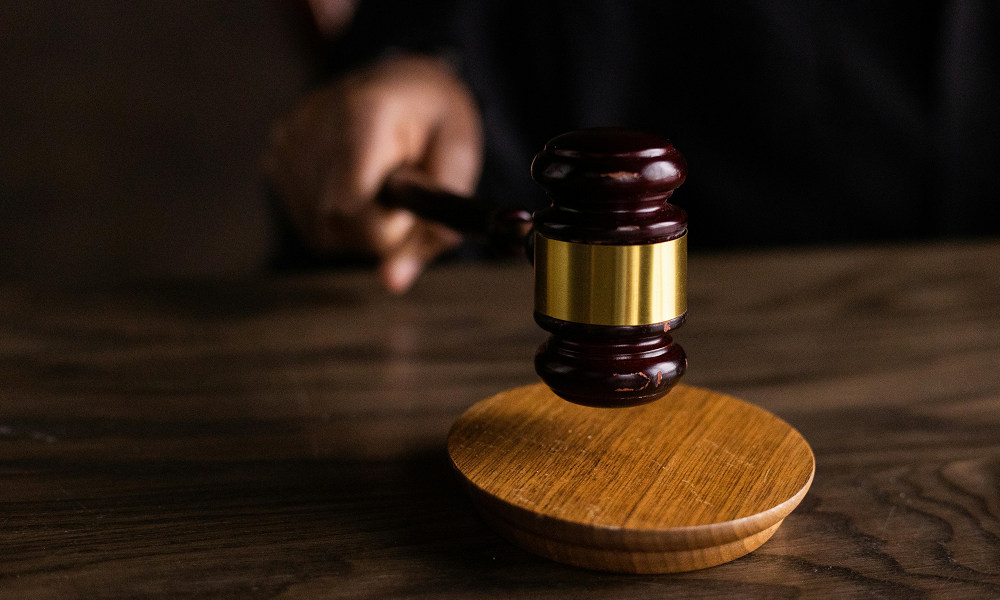
The criminal justice system fails sexual assault survivors more often than you might expect. Charges get dropped, cases stall and acquittals happen. When that door closes, civil litigation opens up an alternative option. The rules differ, the burden of proof shifts, and most critically, you direct the process. Understanding this alternative is important when criminal prosecution disappoints.
Why Criminal Cases Often Stall
Prosecutors won’t move forward without near certainty of conviction. That standard, proof beyond reasonable doubt, kills cases before they start. When the accused is someone you knew, defense lawyers argue consent rather than denial. Physical evidence rarely exists. The case becomes your credibility versus theirs.
The process itself breaks people. Testifying multiple times, enduring cross-examination designed to discredit you, having intimate details scrutinized publicly all has a psychological toll that makes continuing impossible for many. Without your participation, the prosecution ends. Criminal prosecution collapse when:
- Physical evidence is minimal and witnesses can’t corroborate key facts
- Time gaps between assault and reporting weaken the record
- Minor inconsistencies in statements gets used by defense counsel
- Survivors experience health issues that prevent courtroom participation
- Attorneys reassess and withdraw charges mid-process
Options When Criminal Charges Fail
Dropped criminal charges doesn’t eliminate legal recourse. Investigators may conclude an assault occurred even when prosecutors decline to proceed. Civil claims operate independently of criminal charging decisions. Stayed proceedings end cases on technicalities, not merit. The criminal matter simply dissolves, leaving civil options intact.
Acquittals need scrutiny; a not-guilty verdict means reasonable doubt existed, and nothing more. Civil courts apply a different standard: the balance of probabilities. Did the assault more likely happen than not? This lower threshold allows civil liability even after criminal acquittal. Courts consistently uphold this principle in sexual assault litigation. Civil proceedings restore agency. You choose whether to file, when to settle, what outcomes to pursue. After powerlessness, that autonomy carries weight.
Civil Claims in Sexual Assault Cases
Balance of probabilities asks: which version of events seems more credible? Your legal team must tip the scales past fifty percent, not eliminate all doubt. Just make your account more believable than the defendant’s.
Evidence rules expand in civil court. Statements made to friends, counselors, or medical professionals shortly after the assault carry weight. Therapy records, employment documentation showing performance decline, medical reports – are all admissible. Digital communications often reveal patterns that criminal trials exclude.
A civil judgment declares, on the record, that the assault occurred. The court assigns monetary damages for medical expenses, lost income, ongoing therapy, and intangible harm like pain and diminished quality of life. No one faces incarceration in civil cases, but rather financial consequences and public accountability follow.
The Effect of Delayed Justice
Delayed disclosure reflects how trauma works, not fabrication. Shame, fear of disbelief, financial dependence, self-preservation are all factors that create silence that lasts for months or years. Courts in Alberta recognize this pattern as evidence-based reality, not credibility weakness.
Memory fragmentation follows documented neurobiological pathways. You might recall sensory details with precision while struggling with sequence or context. These gaps indicate trauma’s effect on cognition, not dishonesty.
Expert testimony translates neuroscience for the court. Psychologists explain why trauma scrambles memory formation, why emotional presentation varies, why maintaining contact with an abuser doesn’t indicate consent. This evidence counters misconceptions that undermine survivor credibility.
Choosing the Right Lawyer
Specialization determines outcomes. Sexual assault litigation requires specific knowledge of trauma, credibility of defense strategies, and expert witness coordination. General practitioners lack this expertise.
Effective counsel from Liberty Law understand that litigation can retraumatize. They communicate clearly about each procedural step, pace the process according to your capacity, and respect boundaries around disclosure. This approach serves strategy by keeping you functional throughout demanding proceedings.
Evaluate lawyers on their sexual assault case experience, their communication methods during difficult phasess, and their willingness to coordinate with therapeutic support. Initial consultation should feel informative, not pressured.
What Justice Can Look Like
Monetary compensation serves a dual purpose. It covers tangible costs like therapy, medical treatment or lost wages. It also represents societal acknowledgement that harm occurred and requires remedy. Money does not reverse trauma, but it prevents you from bearing all costs of another person’s violence.
Civil judgements create permanent public records identifying the defendant as liable. These findings affect reputation, employment, and social standing. Many survivors value this public accountability above financial recovery.
Private settlements offer an alternative. You receive compensation without testifying, but confidentiality clauses typically prevent disclosure. Nothing enters the public record. This trade-off suits some survivors. Others need the validation that only a public judgment provides. The choice belongs to you.
Endnote
Collect available documentation including police reports and communications with the defendant. Missing materials shouldn’t delay consultation. Lawyers obtain records through formal discovery processes.
Establish boundaries before initial meetings. Specify what you will discuss immediately and what requires more time. Consultation doesn’t commit you to litigation. You are assesing case viability, evidence requirements, and process demands.



-

 World1 week ago
Dutch police review arrest after pregnant woman thrown to ground in viral video
-

 World1 week ago
U.S. citizen killed in shootout near Cabo tourist area in Mexico
-

 US News1 week ago
3 Latvian climbers killed in fall on Denali in Alaska; others injured
-
 Legal1 week ago
2 officers, police K-9 injured in Virginia shooting
-

 US News1 week ago
United flight turns around over Atlantic after Bluetooth device named BOMB
-
 Legal6 days ago
3 killed, officer wounded in shooting in Sandy, Oregon
-
 Legal6 days ago
1 killed, 1 seriously injured in shooting near clinic in Saskatchewan, Canada
-

 Legal4 days ago
Mississippi deputy shot during standoff in Simpson County