
Legal
Who Is Responsible For A Slip And Fall At An Airbnb?

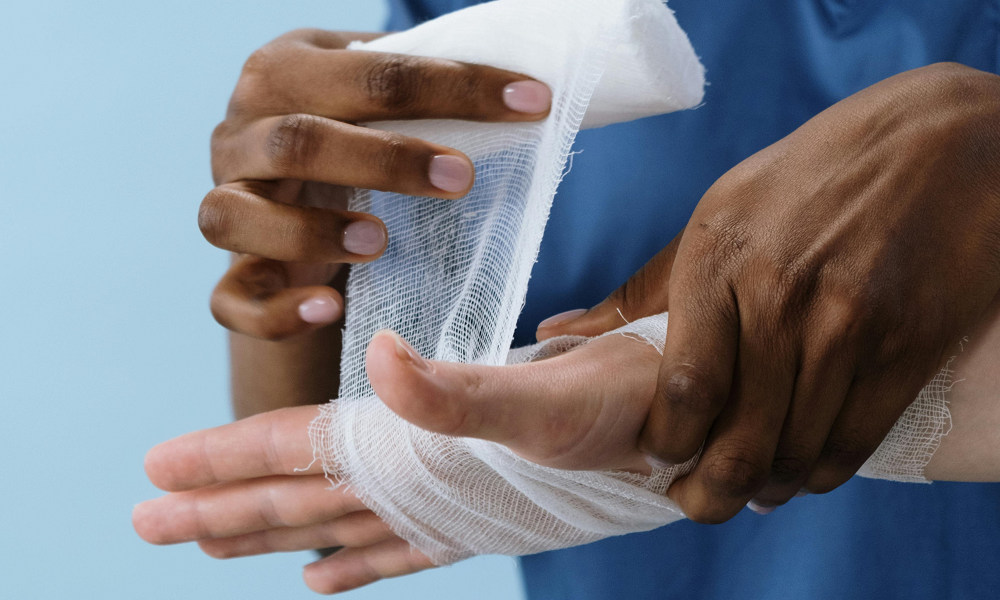
A slip and fall at an Airbnb can feel confusing because more than one party may be involved. Figuring out who is actually responsible usually comes down to who controlled the space and what they knew. Anyone looking into Airbnb slip-and-fall liability typically wants to know whether the host, the owner, or the platform can be held accountable. The details matter, like where the fall happened and whether the danger was visible. Evidence also matters because the property may be cleaned or repaired quickly after an incident. Salamati Law Firm in Los Angeles, CA, takes the time to really dig into who was in control and what they knew before the incident.
How Responsibility Is Decided In Short Term Rentals
Determining who was actually in control of the area where the fall happened is usually the first step. That person or company most likely had a responsibility to keep the space safe for anyone who might be using it. If a hazard had been there long enough to be noticed, that can go a long way in supporting fault. If the hazard was created moments before the fall, the analysis may change. Investigators also examine whether proper warnings were ever put in place and whether any repairs were carried out responsibly. Good photos and a clear timeline can really help connect the hazardous condition to the fall and the injuries that followed.
When The Host May Be Responsible
A host can be held responsible when they knew about a dangerous condition or really should have caught it sooner. Examples include loose stairs, broken handrails, slippery floors, and poor lighting. A host can also be held accountable if they brushed off complaints from previous guests and did nothing about them. Cleaning issues can matter too, such as wet tile with no warning sign in a bathroom. The biggest question is usually whether a reasonable host would have fixed the problem or at least warned guests about it. App messages, maintenance receipts, and past reviews can all help paint a clearer picture of what the host actually knew.
When The Property Owner Or Manager May Share Fault
Sometimes the Airbnb host is not actually the property owner, which can open the door to holding more than one party responsible. If a landlord controls shared spaces like hallways, elevators, or parking lots, they could easily be held liable. A property manager might also be on the hook if they were the ones handling repairs, inspections, or cleaning at the time. Contracts can be really helpful here because they often spell out who agreed to take care of what. When multiple parties are involved, the blame rarely falls on just one person and tends to be spread across roles. Getting all of this figured out early can help avoid the kind of blame shifting that drags a claim out unnecessarily.
What Role Airbnb And Insurance May Play
Airbnb is generally not involved in managing a property day to day, but that does not mean insurance coverage is straightforward. The host may have homeowner’s insurance, a short-term rental policy, or some other coverage tied to the booking. Separate programs may also apply depending on the specific circumstances of the stay. Even when there is insurance coverage, insurers will frequently push back on what was reported, how serious the injury was, and whether the hazard was actually dangerous. Thorough documentation of the scene and solid medical records help keep the focus on the actual facts. A close look at the relevant policies and booking records can really help clarify what coverage applies and when.
What The Injured Guest Should Do To Protect The Claim
After a fall, get medical care quickly and follow the treatment plan. Take clear photos of the hazard, the lighting, and the surrounding area while everything still looks the same. Let the host know about the incident in writing and hold onto every message and response you receive. Ask for witness contact information if anyone saw the fall or the condition. Keep the shoes and clothing worn during the incident, since they may become evidence later. Try to stay off social media about the injury since even a casual comment can easily be taken out of context and hurt the claim.
Determining who is responsible for an Airbnb slip-and-fall really comes down to control, knowledge, and what was reasonable at the time. The host is often the first point of fault, but owners and managers can share responsibility when they control common areas or handle maintenance. Insurance may be available, though coverage disputes are common and can quickly complicate things. Strong evidence helps paint a clear picture of what actually happened and how long that hazard had been sitting there. Getting medical care quickly also helps establish a clear connection between the fall and the injuries suffered. By taking the right steps early, an injured guest can protect their claim and work toward a fair outcome.


Major 7.8 earthquake strikes Philippines, tsunami threat issued

2 killed after U.S.-registered private jet crashes in Dominican Republic

9 injured in Kansas City shooting

Actor James Handy killed by girlfriend’s son at Los Angeles home
-

 World1 week ago
Dutch police review arrest after pregnant woman thrown to ground in viral video
-

 World1 week ago
U.S. citizen killed in shootout near Cabo tourist area in Mexico
-

 US News1 week ago
3 Latvian climbers killed in fall on Denali in Alaska; others injured
-
 Legal1 week ago
2 officers, police K-9 injured in Virginia shooting
-
 US News1 week ago
United flight turns around over Atlantic after Bluetooth device named BOMB
-
 Legal6 days ago
3 killed, officer wounded in shooting in Sandy, Oregon
-
 Legal6 days ago
1 killed, 1 seriously injured in shooting near clinic in Saskatchewan, Canada
-
 Legal4 days ago
Mississippi deputy shot during standoff in Simpson County