
Reviews
Ways Restaurant Owners Can Control Renovation Costs

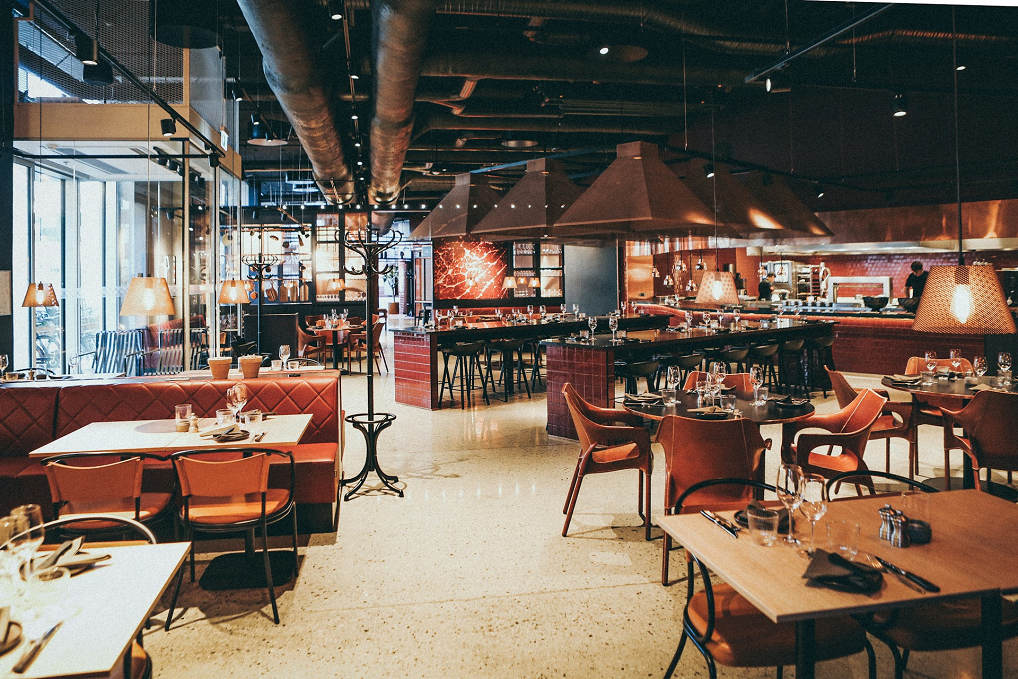
For restaurant owners in Atlantic County and throughout South Jersey, renovations are often necessary to stay competitive. Whether updating a dated dining room, expanding kitchen capacity, or reconfiguring space to improve flow, construction projects can quickly grow beyond their original budget.
In a hospitality market where customer expectations evolve rapidly, and new competitors regularly enter the business scene, maintaining a fresh, efficient, and compliant space is no longer optional; it’s a core component of long-term business survival.
With rising material prices, labor shortages, and evolving code requirements, controlling renovation costs requires more than simply collecting bids. It demands planning, strategic decision-making, and careful supervision from start to finish. Below are practical ways restaurant owners can manage renovation expenses while still achieving a polished, professional result.
Start With a Clear Scope of Work
One of the biggest reasons restaurant renovations exceed budget is scope creep. Owners may begin with a cosmetic refresh in mind, only to add layout changes, new equipment, upgraded finishes, and expanding seating along the way. Before requesting estimates, make sure to define:
- What must be done versus upgrades that are nice to have
- Whether the renovation is cosmetic, structural, or operational
- The desired timeline
- The maximum realistic budget
A detailed scope prevents mid-project changes that often lead to added labor, reordering materials, and costly delays.
Prioritize Function Over Decor
A beautifully designed space may attract attention, but functionality drives profitability. A well-organized kitchen layout, efficient prep stations, and optimized traffic flow between staff and customers often produce greater long-term value than high-end decor. Restaurant owners should focus on:
- Storage optimization
- Kitchen efficiency
- Durable flooring and surfaces
- Proper ventilation and lighting
Spending strategically on systems that support operations can reduce maintenance and management costs in the long run.
Understand Local Permits and Code Requirements
Restaurants face stricter building and safety regulations than many other commercial spaces. Health department standards, fire suppression systems, ADA compliance, grease traps, and ventilation requirements can significantly affect costs. Before construction begins, ensure you understand:
- Local building permits
- Fire safety regulations
- Health department inspections
- Plumbing and electrical upgrades
Delays due to missing permits or failed inspections can quickly boost renovation expenses through extended labor and downtime.
Choose the Right Construction Approach
How a project is structured can significantly impact total cost. Some restaurant owners hire separate architects, designers, and contractors, while others opt for integrated project delivery methods that combine these services into a single contract.
Design-build firms manage both the design and construction phases, which can reduce communication breakdowns and unexpected change orders. For instance, companies such as I-5 Design Build often work with business owners to streamline planning and budgeting from the outset, helping to align design decisions with real-world construction costs. When evaluating options, consider which approach offers the most transparency, accountability, and cost predictability for your specific project.
Get Detailed, Itemized Estimates
A single lump-sum number provides little insight into where your money is going. Instead, request detailed, itemized proposals that break down:
- Labor costs
- Materials
- Equipment installation
- Permits and fees
- Demolitions
- Contingency allowances
This allows you to identify areas where adjustments can be made. For example, swapping materials, modifying layout changes, or delaying non-essential upgrades may bring the budget back in line.
Plan Around Operating Hours
For existing restaurants, downtime equals lost revenue. A renovation that forces closure for weeks can cost far more than the construction itself. To help control financial impact:
- Schedule work in phases
- Renovate during off-peak seasons
- Consider overnight or partial-area construction
- Temporarily reduce seating rather than fully closing
Strategic scheduling minimizes revenue loss and helps maintain customer loyalty during improvements.
Avoid Late Design Changes
Changes made after construction begins are among the most expensive decisions a restaurant owner can make. Moving plumbing lines, altering electrical plans, or replacing approved materials mid-project often results in:
- Added labor
- Reordered materials
- Project delays
- Waste of already-installed components
Spend extra time in the planning and design stage to avoid costly adjustments later on. Finalize layouts, finishes, and equipment selections before breaking ground.
Invest in Durable, Commercial-Grade Materials
Choosing lower-cost materials may reduce upfront expenses, but they often wear out faster, especially in high-traffic restaurant environments. Choose smart long-term investments such as:
- Commercial-grade flooring
- Stainless steel kitchen fixtures
- Moisture-resistant wall materials
- Heavy-duty seating
While the initial price may be higher, reduced maintenance and replacement costs can lead to significant savings over time.
Keep a Contingency Fund
Even with meticulous planning, unexpected issues can arise, especially in older buildings. Hidden plumbing problems, outdated wiring, or structural deficiencies may not be discovered until demolition begins.
A contingency budget of 10 to 20 percent of the total project cost helps provide a financial cushion. Without it, restaurant owners may be forced to compromise essential upgrades or seek emergency funding mid-project.
Source Equipment Strategically
Commercial restaurant equipment represents a major portion of renovation budgets. Restaurant owners can manage this expense by:
- Comparing multiple suppliers
- Negotiating package deals
- Considering refurbished equipment for non-critical items
- Timing purchases around seasonal sales
However, avoid compromising on critical systems such as refrigeration or fire suppression, where reliability is crucial and non-negotiable.
Maintain Open Communication With Contractors
Clear communication reduces misunderstandings that can lead to unexpected costs. Regular meetings, written updates, and documented approvals help ensure alignment between vision and execution. Restaurant owners should:
- Review project timelines weekly
- Confirm material deliveries
- Approve changes in writing
- Track budget updates consistently
Transparency on both sides helps build trust and prevent costly surprises.
Focus on Revenue-Generating Improvements
Not all renovations provide significant results, especially when it comes to the return on investment. Before approving upgrades, consider whether they will increase revenue or operational efficiency. Examples of revenue-focused improvements include:
- Expanding seating capacity
- Enhancing outdoor dining space
- Improving bar layout for faster service
- Creating private event areas
Renovations that increase customer traffic and loyalty often justify higher upfront expenses.
Think Long-Term, Not Just Short-Term
A renovation is an opportunity to future-proof your restaurant. Consider whether:
– Electrical systems can support future equipment upgrades
– The layout allows for menu expansion
– Outdoor spaces can be adapted to changing trends
– Technology integration, like POS systems and digital menus, is supported
Building flexibility into the design helps prevent costly future renovations and allows your restaurant to grow efficiently.
Endnote
Restaurant renovations can be transformative, breathing new life into a brand and improving operational efficiency. However, without careful preparation and planning, costs can quickly escalate and strain business finances.
By approaching renovation as a structured and necessary business investment rather than a purely aesthetic upgrade, restaurant owners can improve their property while protecting their bottom line. With the right preparation and disciplined approach, it is possible to transform a simple or uninteresting restaurant into a comfortable, functional, and efficient space that enhances both customer experience and long-term profitability.


Major 7.8 earthquake strikes Philippines, tsunami threat issued

2 killed after U.S.-registered private jet crashes in Dominican Republic

9 injured in Kansas City shooting

Actor James Handy killed by girlfriend’s son at Los Angeles home
-

 World1 week ago
Dutch police review arrest after pregnant woman thrown to ground in viral video
-

 World1 week ago
U.S. citizen killed in shootout near Cabo tourist area in Mexico
-

 US News1 week ago
3 Latvian climbers killed in fall on Denali in Alaska; others injured
-

 Legal1 week ago
2 officers, police K-9 injured in Virginia shooting
-

 US News1 week ago
United flight turns around over Atlantic after Bluetooth device named BOMB
-

 Legal6 days ago
3 killed, officer wounded in shooting in Sandy, Oregon
-

 Legal6 days ago
1 killed, 1 seriously injured in shooting near clinic in Saskatchewan, Canada
-

 Legal4 days ago
Mississippi deputy shot during standoff in Simpson County