
Reviews
The Invisible Workforce: Scaling Efficiency with the Next Generation automatic robotic pool cleaner

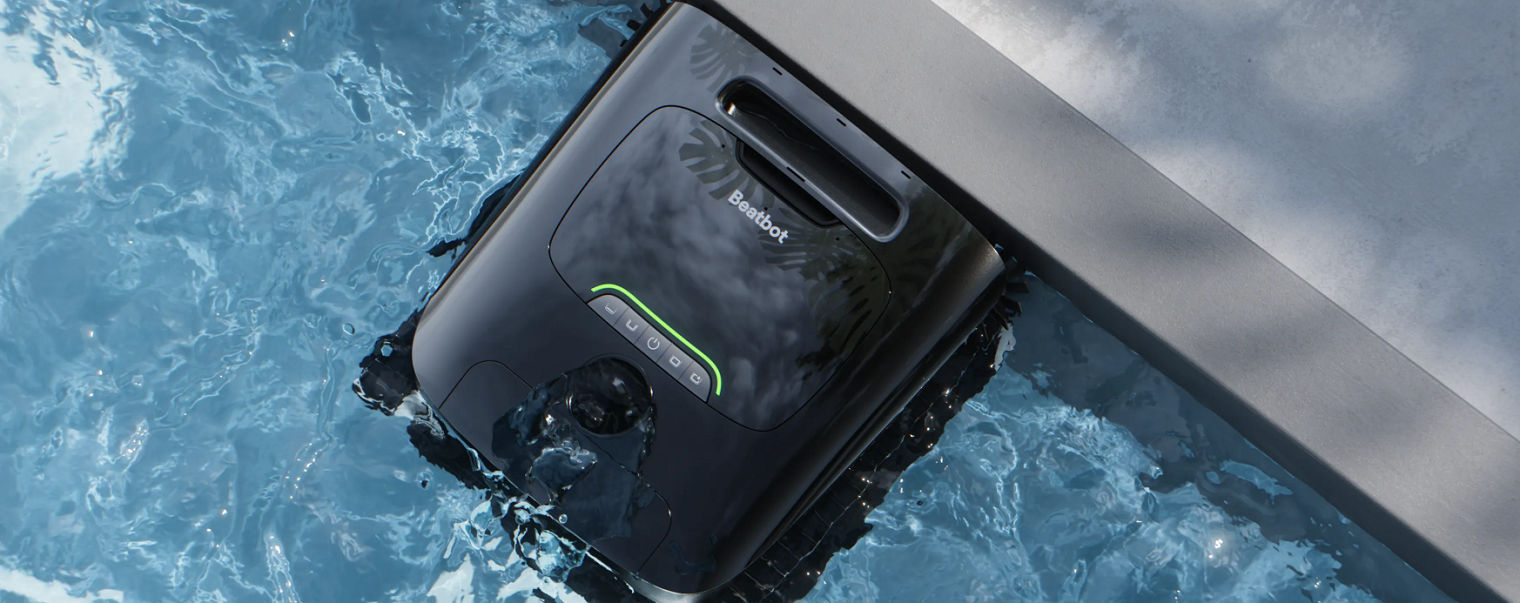
In the rapidly evolving landscape of automation, the concept of an “invisible workforce” has moved beyond factory floors and into our daily lives, quietly scaling efficiency in sectors once thought resistant to profound technological shifts. For the discerning property owner and industry analyst alike, the traditional burden of aquatic maintenance has long represented a significant, unaddressed cost in both time and resources. However, 2026 marks a pivotal year, as the next generation automatic robotic pool cleaner is not merely upgrading a household appliance; it is establishing a new paradigm for property stewardship, transforming a persistent drain on operational efficiency into a seamlessly managed, autonomous domain.
The Economic Imperative of Invisible Operations
The global shift towards autonomous systems is driven by a fundamental economic imperative: the elimination of low-value, repetitive human labor. In the context of pool maintenance, this translates into a direct scaling of efficiency. Legacy systems, often tethered by cumbersome hoses or limited by rudimentary “bump-and-turn” navigation, required constant human intervention. They were expensive to operate not just in terms of electricity, but in the invaluable human capital they consumed in monitoring, troubleshooting, and manual intervention. This invisible cost, spread across millions of private and commercial pools, represented a massive systemic inefficiency that 2026 technology is finally addressing.
The modern automatic pool vacuum has evolved from a reactive tool to a predictive, intelligent agent. By integrating advanced SLAM algorithms with multi-sensor fusion, these machines now possess “navigational sovereignty.” They can dynamically map the unique contours of any aquatic environment, precisely calculate the most efficient cleaning paths, and operate with an almost surgical accuracy. This precision dramatically reduces redundant passes, conserves energy, and ensures 100% coverage, fundamentally altering the total cost of ownership model for aquatic assets. The investment is no longer just in cleaning, but in a self-optimizing operational unit that requires zero human oversight.
The Paradigm Shift: From Monitoring to Delegation
The true economic and psychological impact of this invisible workforce becomes apparent when the human role transitions from monitoring to complete delegation. For decades, the automation of pool care was a partial promise. Homeowners found themselves still tied to the task, constantly checking on the robot, untangling its power cord, or manually scrubbing areas it missed. This partial automation, while helpful, still left a significant cognitive burden. The pool remained a persistent entry on a mental checklist, subtly dictating weekend schedules and interrupting leisure.
What fundamentally changed behavior for property managers and homeowners was the realization that true efficiency is achieved when the human element of oversight is entirely removed. The shift is not merely about mechanical performance; it is about the structural deletion of a task from the human decision-making process. The ultimate sign of a truly autonomous system is not that it performs well, but that its operations become entirely invisible to its owner.
For most owners, this shift didn’t register as a feature upgrade or a cost analysis. It registered as absence. The first weekend passed without checking the pool dashboard. Then another. No one asked whether the system had run or if conditions were “good enough.” The environment simply remained ready. That was the moment the workforce disappeared from awareness. When a system stops entering conversations, calendars, or contingency planning, it stops consuming human attention. At that point, efficiency is no longer measured in output—it is measured in what no longer needs to be thought about.
At some point, the pool simply stayed ready without being checked—and that was when most operators realized they had stopped managing it altogether. There was no longer a mental note to check the water, no reminder to “look at it later,” and no adjustment to operational plans. The responsibility had fully transferred. When a task disappears from planning altogether, it stops costing time. This is the difference between automation that helps and autonomy that actually scales efficiency and gives invaluable operational freedom back to the asset owner. Responsibility for the water quality quietly shifted from the parent to the system, and leisure finally became uninterrupted.
Engineering for Uninterrupted Operation
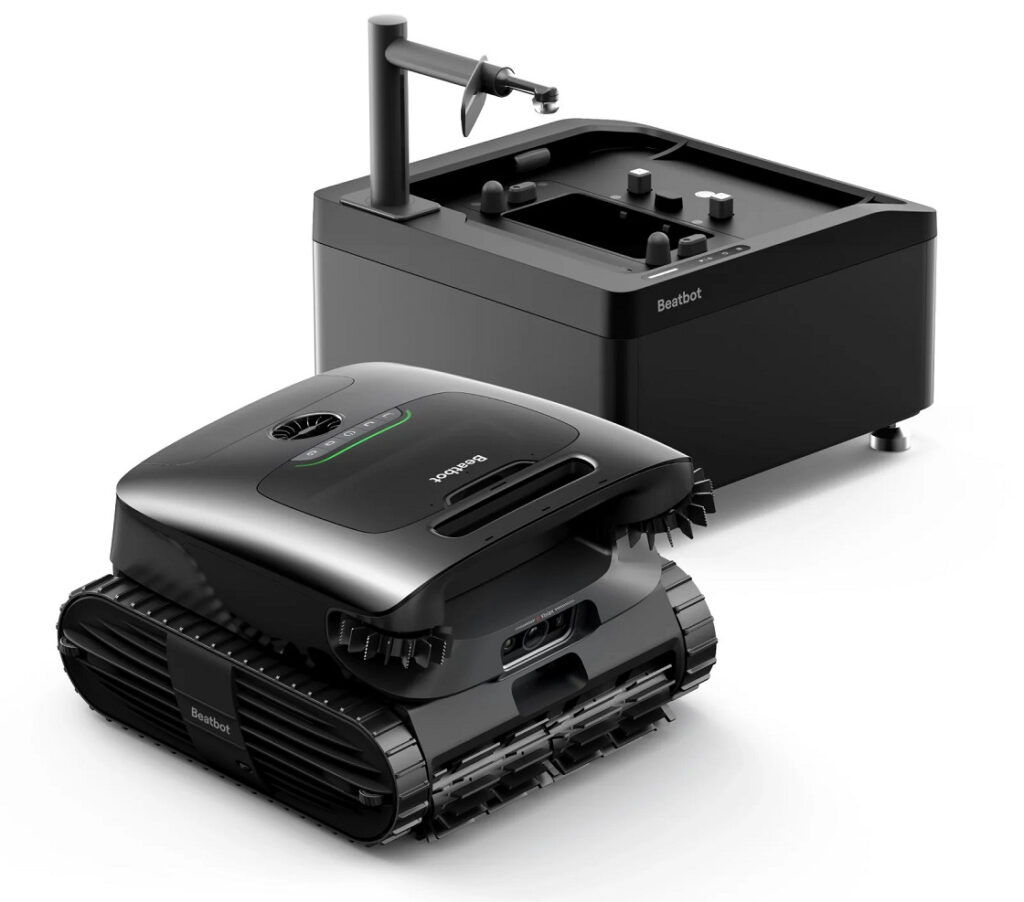
To sustain this “invisible workforce” status, the next generation of aquatic robotics leverages several key engineering breakthroughs that guarantee uninterrupted, hands-off operation. Firstly, the complete liberation from physical tethers is paramount. Cordless designs eliminate the common failure points of tangled cables and power restrictions, allowing for full, unhindered access to every inch of the pool. This mechanical freedom is critical for achieving robust, repeatable performance without human intervention.
Secondly, the strategic importance of surface management cannot be overstated. Floating debris is the primary driver of chemical imbalance and biofilm formation. By integrating active surface interception capabilities, such as advanced jet propulsion systems that stabilize the unit even in turbulent water, these robots proactively remove contaminants before they can sink and cause more complex problems. This “front-line defense” significantly reduces the chemical and filtration burden on the entire pool system, extending the life of the infrastructure and reducing long-term operational costs.
Finally, the “closing of the automation loop” represents the ultimate efficiency gain. Traditional robots required manual filter cleaning—a dirty, time-consuming task. The newest systems feature self-cleaning mechanisms, such as automatic rinsing stations, that flush internal debris without any human contact. This ensures the robot maintains peak operational efficiency autonomously, eliminating the last human touchpoint in the cleaning cycle. Coupled with high-capacity lithium-ion battery systems capable of delivering up to eleven hours of continuous operation, these machines embody a new standard of self-sustaining efficiency, requiring interaction only for initial setup or periodic software updates.
Conclusion: The New Frontier of Scalable Efficiency
The emergence of the invisible workforce in aquatic maintenance signifies more than just product innovation; it reflects a broader industry trend towards scalable autonomy. By delegating complex, repetitive tasks to intelligent robotic systems, property owners and managers are no longer just buying a cleaning device—they are investing in a paradigm shift that reclaims time, optimizes resources, and elevates the very definition of efficient property stewardship.
In 2026, the next generation automatic robotic pool cleaner is not just an appliance; it is a foundational component of modern infrastructure, quietly and tirelessly working to scale efficiency, reduce operational friction, and allow its human counterparts to focus on higher-value pursuits. This is the new frontier of invisible management, where the perfection of your aquatic environment is simply a given. Reclaiming your time is the ultimate upgrade, turning maintenance into a solved problem and leisure into a permanent state of being.



-

 World1 week ago
Dutch police review arrest after pregnant woman thrown to ground in viral video
-

 World1 week ago
U.S. citizen killed in shootout near Cabo tourist area in Mexico
-

 US News1 week ago
3 Latvian climbers killed in fall on Denali in Alaska; others injured
-

 Legal1 week ago
2 officers, police K-9 injured in Virginia shooting
-
 US News1 week ago
United flight turns around over Atlantic after Bluetooth device named BOMB
-

 Legal6 days ago
3 killed, officer wounded in shooting in Sandy, Oregon
-
 Legal6 days ago
1 killed, 1 seriously injured in shooting near clinic in Saskatchewan, Canada
-

 Legal4 days ago
Mississippi deputy shot during standoff in Simpson County