
Reviews
London Faces Shifting Workplace Trends as Businesses Reassess Office Needs

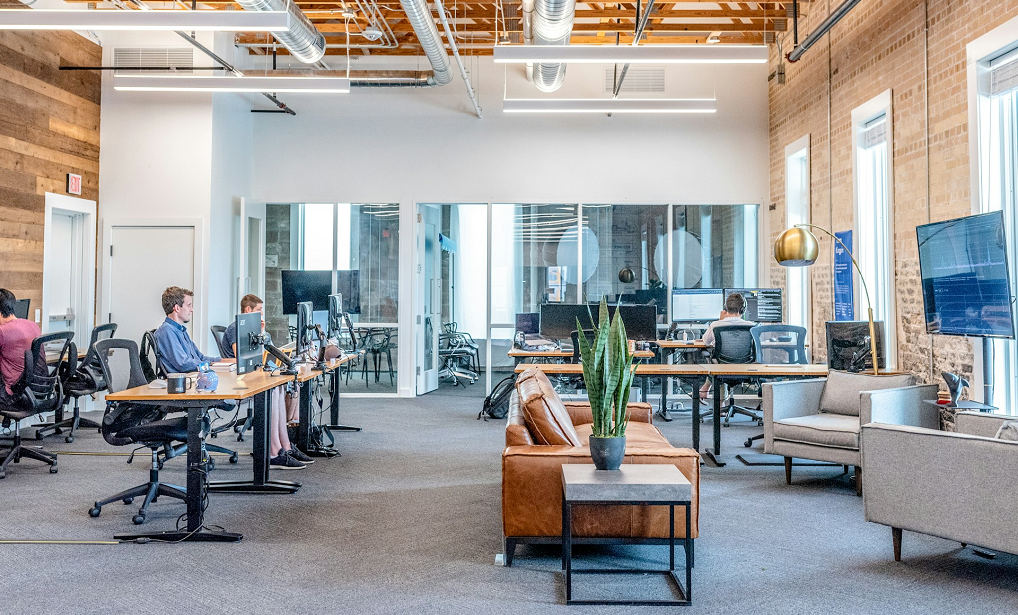
London businesses are rethinking how they use office space as hybrid work and changing employee expectations reshape the city’s commercial landscape. Entering 2026, the capital’s property market is facing a “flight to quality.”
Companies are moving away from sprawling, underutilised headquarters in favour of smaller, high-specification hubs that serve as a cultural anchor for their teams.
A Move Toward Flexible Workspaces
The traditional 10-year lease is becoming a relic for many SMEs and mid-sized firms. In its place, the demand for serviced offices in London continues to climb as companies seek shorter commitments and the ability to scale quickly. With prime rents in the West End reaching record highs (some exceeding £180 per square foot), the appeal of an all-inclusive monthly fee covering utilities and maintenance is undeniable.
Flexibility now frequently outweighs the prestige of a long-term fixed address. The shift allows businesses to remain agile, expanding their footprint during growth phases or pivoting to satellite hubs without the punitive exit fees associated with conventional commercial contracts.
Changing Employee Expectations
The office has transitioned from a place people have to be to a place they want to be for specific, high-value activities. Modern London workers increasingly prefer a mix of home and office time, but when they do commute, their expectations are significantly higher than in previous years.
Employers are now prioritising central locations near major transport interchanges -particularly those served by the Elizabeth Line, such as Farringdon and Paddington – to minimise travel friction. Fixed-desk setups are being replaced by collaborative layouts, “quiet pods” for deep work, and high-end amenities like rooftop gardens and on-site wellness facilities. The goal is to create a “destination office” that justifies the commute and fosters the face-to-face innovation that remote work can sometimes stifle.
Economic Pressures Still Driving Decisions
The financial reality of 2026 remains a dominant factor in workplace strategy. Beyond rising rents, the upcoming 2026 Business Rates Revaluation is expected to see liabilities increase by an average of 13% across London, with some high-growth districts like Farringdon potentially facing even steeper hikes.
Combined with high energy costs and the need to meet new EPC sustainability standards, businesses are trimming overheads wherever possible. Flexible office models offer a strategic solution by providing shared resources (such as reception services and advanced AV-equipped meeting rooms) that would be prohibitively expensive to maintain in a private, traditional unit. The shared-economy approach simplifies budgeting by turning unpredictable variable costs into a single, manageable line item.
A Market in Transition
The London office market is currently operating at two speeds. While there’s an acute shortage of energy-efficient Grade A space, older, less efficient Grade B buildings are experiencing higher vacancy rates.
This has led to a geographic reshuffle: some companies are downsizing in the City Core and relocating to vibrant, character-filled neighbourhoods like Shoreditch or Borough.


Major 7.8 earthquake strikes Philippines, tsunami threat issued

2 killed after U.S.-registered private jet crashes in Dominican Republic

9 injured in Kansas City shooting

Actor James Handy killed by girlfriend’s son at Los Angeles home
-

 World1 week ago
Dutch police review arrest after pregnant woman thrown to ground in viral video
-

 World1 week ago
U.S. citizen killed in shootout near Cabo tourist area in Mexico
-

 US News1 week ago
3 Latvian climbers killed in fall on Denali in Alaska; others injured
-

 Legal1 week ago
2 officers, police K-9 injured in Virginia shooting
-

 US News1 week ago
United flight turns around over Atlantic after Bluetooth device named BOMB
-

 Legal6 days ago
3 killed, officer wounded in shooting in Sandy, Oregon
-

 Legal6 days ago
1 killed, 1 seriously injured in shooting near clinic in Saskatchewan, Canada
-

 Legal4 days ago
Mississippi deputy shot during standoff in Simpson County