
Reviews
Global Unrest 2026: How Rifle-Rated Vests Protect Civilians

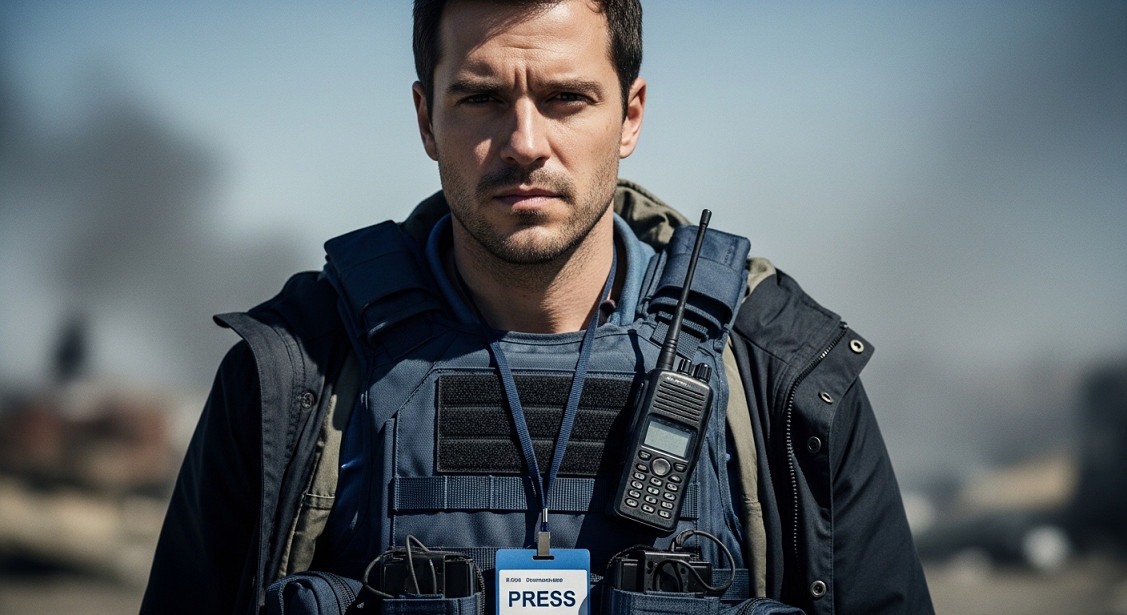
Global unrest has marked 2026 so far. Headlines show protests in major cities, political tensions, and public safety concerns. While some official crime data suggest that overall violent crime is down in many regions, gun violence remains a public safety issue with tens of thousands of shootings a year in the U.S. alone. In 2025, an estimated 40,000 people were shot, about 110 a day, with firearm injuries nationwide remaining common even as some statistics fall [1].
In many real-world situations, civilians face sudden rifle threats with little time to react. Most people do not have access to tactical gear like law enforcement does. In high-risk areas, families, journalists, aid workers, and professionals may need protection that ordinary clothing can’t offer.
Rifle-rated vests, such as Level III and Level IV, help close the protection gap. These lightweight, concealable systems help shield against high-velocity rifle rounds. With unrest intensifying, these advanced systems empower everyday people to stay safer in unpredictable environments.
Understanding Global Unrest Threats
2026 continues to see public safety challenges across several regions. Although violent crime in many U.S. cities has trended downward in recent years, shootings and firearm violence remain serious concerns [2].
Rifle fire poses a unique threat because high-velocity rifle rounds can easily penetrate soft body armor meant for handgun threats. Standard soft armor (Levels IIA, II, IIIA) doesn’t stop most rifle rounds. Hard armor rated at Level III stops standard rifle ammunition like 7.62×51 NATO (.308), and Level IV can stop armor-piercing rounds.
This means that without appropriate rifle-rated protection, ordinary civilians on the street or at demonstrations can be vulnerable if incidents escalate.
What Makes Rifle-Rated Vests Effective
Hard body armor is rated based on standards set by the National Institute of Justice (NIJ). Higher levels mean proven resistance to higher-velocity threats.
NIJ Level III armor:
- Stops standard rifle ammunition, such as 7.62x51mm NATO (.308).
- Uses rigid plates (steel, ceramic, composite).
NIJ Level IV armor:
- Tested to stop armor-piercing rifle rounds.
- Offers the highest civilian-accessible ballistic protection.
For civilians, key features include:
- Lightweight plates: Typically under 10 lbs per set.
- Everyday wear comfort: Suitable for travel or public spaces.
- Durability: Many systems offer 5–10-year warranties and replacement options.
- Advanced curves and fit: Curved designs that match body shape.
Civilian armor doesn’t have to be bulky. Search for flexible rifle armor systems if you want protection that balances safety with daily comfort.
Choosing the Right Vest for Civilians
Here’s a simple look at standard options:
| Vest Type | Protection Level | Weight / Comfort | Best For | Price Range |
| FRAS® Flexible Plates | Rifle (.308) + IIIA soft | ~4–6 lbs, concealable | Urban carry, travel | ~$1,500–$2,500+ (full torso systems higher than $1,200) |
| Level IV Hard Plates | Full rifle/AP | ~7–9 lbs | Protests, rural areas | ~$300–$600 per pair |
| Complete Multi-Threat Bundle | Rifle + handgun/stab | ~8–12 lbs | Families, journalists | ~$1,500+ |
Selection tips:
- Fit matters: choose sizes S–5XL.
- Modular options adapt to situations.
- Free shipping or customer support can help civilians make informed picks.
Real-World Applications and Legal Notes
People use rifle-rated vests for many reasons:
- Personal defense in unstable environments.
- Protection during travel to high-risk areas.
- Safety when covering breaking news or attending unrest.
In the U.S., civilian use of body armor is legal for adults 18+ in most states. There are no federal bans on owning rifle-rated body armor, though some local restrictions may exist. Always check local laws before purchasing [3].
Maintenance is simple: inspect your vest yearly and store it in a dry, cool place to preserve performance.
Conclusion: Empowering Civilians in Uncertain Times
Protection doesn’t create fear. It gives everyday people choices. Rifle-rated vests bridge the gap between unprotected vulnerability and ready, reliable defense. They help families, professionals, and travelers face a world of evolving risks with greater confidence.
With unrest expected to continue in various forms in 2026, civilians shouldn’t wait to explore their options. Review NIJ certification levels, assess your threat environment, and select gear that meets your needs.
Staying safe means staying informed. To keep up with global trends in public safety and unrest, follow updates here on BNO News.
Reference:
- The Trace. (2025, December). Gun violence by the numbers in 2025. https://www.thetrace.org/2025/12/data-shooting-stats-gun-violence-america/
- Council on Criminal Justice. (2026, January 21). Crime trends in U.S. cities: Year-end 2025 update. https://counciloncj.org/crime-trends-in-u-s-cities-year-end-2025-update/
- United States Code. (n.d.). 18 U.S. Code § 931 – Prohibition on purchase, ownership, or possession of body armor by violent felons. https://www.law.cornell.edu/uscode/text/18/931


Major 7.8 earthquake strikes Philippines, tsunami threat issued

2 killed after U.S.-registered private jet crashes in Dominican Republic

9 injured in Kansas City shooting

Actor James Handy killed by girlfriend’s son at Los Angeles home
-

 World1 week ago
Dutch police review arrest after pregnant woman thrown to ground in viral video
-

 World1 week ago
U.S. citizen killed in shootout near Cabo tourist area in Mexico
-

 US News1 week ago
3 Latvian climbers killed in fall on Denali in Alaska; others injured
-
 Legal1 week ago
2 officers, police K-9 injured in Virginia shooting
-
 US News1 week ago
United flight turns around over Atlantic after Bluetooth device named BOMB
-
 Legal6 days ago
3 killed, officer wounded in shooting in Sandy, Oregon
-
 Legal6 days ago
1 killed, 1 seriously injured in shooting near clinic in Saskatchewan, Canada
-
 Legal4 days ago
Mississippi deputy shot during standoff in Simpson County