
Reviews
Key Factors to Consider Before Renting a Forklift

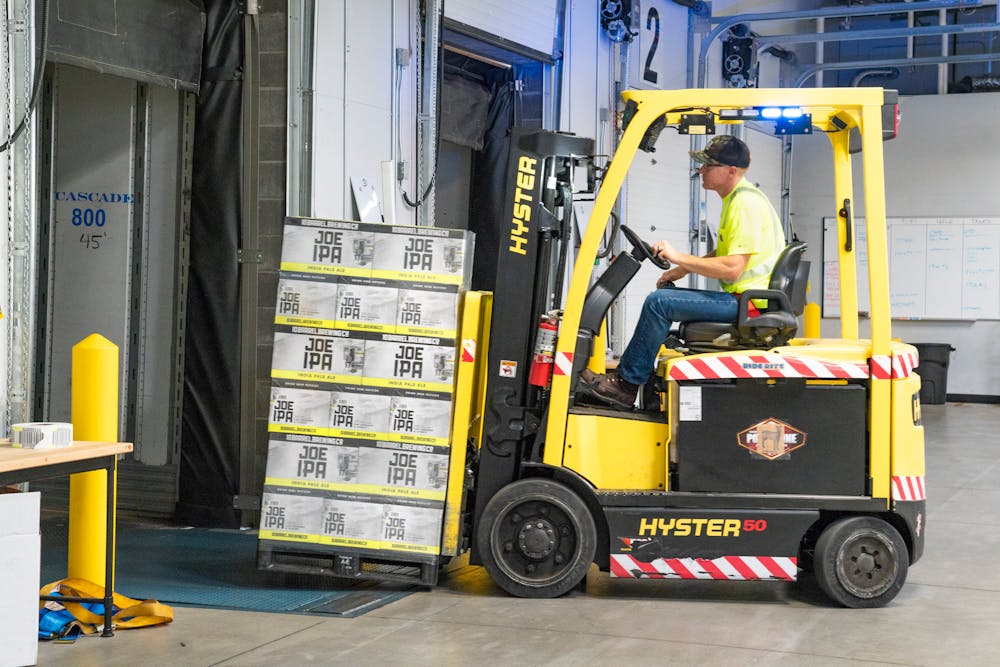
Renting a forklift makes a lot of sense for businesses that need heavy lifting capacity without buying and maintaining a machine long-term. Short-term construction jobs, seasonal warehouse overflows, equipment breakdowns—there are plenty of situations where a rental is the smarter call. But walking into that decision without much preparation? That’s where things tend to go sideways.
The right rental depends on more than availability. Businesses that do their homework before signing anything tend to sidestep expensive mistakes, wasted downtime, and worksite hazards that could have been avoided entirely. If you need to rent a forklift in Springfield, Missouri, knowing what to look for before you commit will help you match the machine to your actual conditions—load weight, site layout, and timeline—so you’re not stuck working around equipment that wasn’t built for your job.
Here’s what to think through before you finalize anything.
1. Understand Your Load Requirements
Start with what you’re moving. Specifically, how heavy is it, how big is it, and how high does it need to go?
Forklifts are rated by load capacity in pounds. Most standard warehouse models handle between 3,000 and 5,000 pounds, which covers a wide range of palletized goods. Push past that rated capacity, and you’re looking at tip-overs or structural failure—neither of which is a minor inconvenience. If you’re dealing with dense materials or oversized loads, size up accordingly.
Lift height is a separate calculation entirely. A mast rated for 15 feet won’t cut it in a facility with 30-foot racking. Always match the required reach to the machine’s maximum fork height, not the mast height. These aren’t the same number.
2. Choose the Right Forklift Type
Most people overlook this part. There isn’t one universal forklift—there are several distinct types, and they’re not interchangeable.
Counterbalance forklifts are the most widely used and perform well on flat, open surfaces. Reach trucks are built for narrow aisles and high-rack storage in warehouse settings. For outdoor work on gravel, mud, or slopes, you need a rough-terrain model—a standard electric unit will struggle or fail. Pallet jacks and walkie stackers handle lighter loads in tighter spaces.
Picking the wrong type doesn’t just create inefficiency. It creates wear, risk, and a machine that’s fighting your environment instead of working in it.
3. Evaluate the Work Environment
The site itself determines a lot. Indoor operations typically call for electric or LPG-powered forklifts to keep emissions manageable. Outdoor sites, especially anything with uneven ground, demand diesel or rough-terrain units.
Beyond fuel type, consider specifics, such as aisle widths, floor surface quality, any ramps or inclines, ceiling clearance in enclosed areas, and loading dock configurations. A machine that runs perfectly in a fulfillment center might be borderline useless on a job site with soft ground and tight access points. Walk the space before you rent, not after.
4. Review the Rental Terms Carefully
Rental agreements aren’t standardized. The terms can swing significantly from one provider to another, and the gap between the headline rate and the total cost is often wider than it looks.
Read carefully for rental duration and rate structure, who covers fuel, delivery, and pickup fees, damage liability and insurance, and whether there are hourly caps with overage charges. Some providers bundle maintenance and on-site support into the rental. Others bill for service calls separately. That distinction matters a lot if something goes wrong mid-project.
Get everything in writing before you sign.
5. Confirm Operator Certification Requirements
This one isn’t optional. OSHA mandates that all forklift operators be trained and certified for the specific equipment they operate. Not just forklifts in general—the specific type.
That means someone certified on a counterbalance forklift isn’t automatically cleared to operate a reach truck. The certifications are equipment-specific, and running uncertified operators is a compliance violation with real consequences. Before you rent, verify that your operators hold current certifications for the machine you’re bringing in.
If they don’t, some rental providers offer training as part of their service. Build that into your schedule if it applies—don’t assume you’ll figure it out after the equipment arrives.
6. Inspect the Equipment Before Use
Even with a provider you trust, a pre-use walkthrough isn’t something to skip. Before the first shift, check the fork condition for cracks, bends, or uneven wear. Look at the tires. Confirm hydraulic fluid levels. Test the horn, lights, and warning systems. Check the seatbelt and operator restraint. For electric models, verify the battery charge.
Document anything that looks off before accepting the equipment. If damage shows up later and you didn’t flag it on arrival, that bill may land on you.
7. Factor in the Total Cost
The base rental rate is a starting point, not the final number. Fuel or electricity, delivery fees, insurance, operator wages, and any training costs all add up. For longer jobs, it’s worth comparing daily versus weekly rates side by side—discounted weekly pricing often makes more financial sense than rolling daily charges.
Ask for a full cost breakdown before committing. The providers worth working with will give you one without hesitation.
The reality is that forklift rentals go well when the prep work is done and poorly when it isn’t. Matching the right machine to the right environment, confirming your operators are certified, and reading the rental terms carefully may take about an hour. Fixing the problems that arise from skipping those steps takes much longer.


Major 7.8 earthquake strikes Philippines, tsunami threat issued

2 killed after U.S.-registered private jet crashes in Dominican Republic

9 injured in Kansas City shooting

Actor James Handy killed by girlfriend’s son at Los Angeles home
-

 World1 week ago
Dutch police review arrest after pregnant woman thrown to ground in viral video
-

 World1 week ago
U.S. citizen killed in shootout near Cabo tourist area in Mexico
-

 US News1 week ago
3 Latvian climbers killed in fall on Denali in Alaska; others injured
-

 Legal1 week ago
2 officers, police K-9 injured in Virginia shooting
-

 US News1 week ago
United flight turns around over Atlantic after Bluetooth device named BOMB
-
 Legal6 days ago
3 killed, officer wounded in shooting in Sandy, Oregon
-

 Legal6 days ago
1 killed, 1 seriously injured in shooting near clinic in Saskatchewan, Canada
-

 Legal4 days ago
Mississippi deputy shot during standoff in Simpson County