
Reviews
6 Tips for Handling Emergency Maintenance Calls

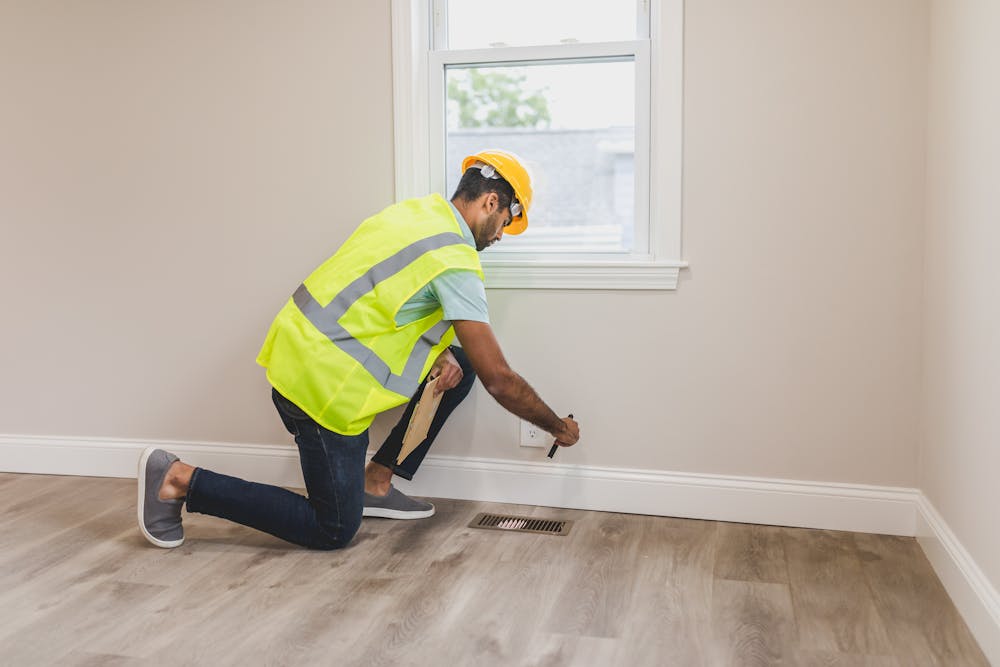
Handling emergency maintenance calls can be one of the most challenging and frustrating parts of owning rental property. All it takes is a burst pipe or broken water heater to force you out of bed in the early morning hours just to spend thousands of dollars on repairs. If you don’t respond to emergencies immediately, your tenants will start to resent you, and that can create a host of additional problems.
The good news is that there are strategies for handling emergency maintenance calls in ways that address the issue immediately and keep your tenants happy.
Here are some tips for resolving these situations effectively.
1. Work with a property manager
The ultimate secret to getting emergency maintenance calls handled fast and professionally is working with a property manager. When you have a team of professionals handling your rental properties, your tenants get 24/7 support even when you’re unavailable. You also get access to better contractor rates since property managers maintain relationships with local plumbers, electricians, and other professionals.
The consistency that comes from professional property management is unbeatable. The best teams have standardized maintenance processes that make responding to emergencies easy. These clear protocols ensure every tenant gets a fast response that’s appropriate for their situation.
2. Define what counts as an emergency
Not every maintenance or repair requires an immediate response. It’s critical to define what counts as an emergency so tenants understand when to call your emergency line at 3:00 a.m. and when to wait until normal business hours.
The most obvious emergencies are ones that threaten someone’s life or property. These situations involve fire, gas leaks, electrical sparks, or noticeable structural instability, like falling drywall. These situations create an immediate risk of harm and should be handled right away.
Another category of emergency repairs involves major water problems, like a burst pipe, flooding, and significant leaks. When postponed, water damage can increase the cost of repairs and lead to dangerous mold growth.
Legally, there are several situations that require immediate attention, like the loss of heat, hot water, lack of water, or lack of electricity. These types of emergencies affect habitability and should be addressed immediately.
Finally, any situation that leaves tenants vulnerable should be treated as an emergency. For example, this includes broken exterior doors, damaged or missing locks, or broken windows.
If you don’t define what constitutes an emergency, you can expect tenants to call you in the middle of the night for things that can wait until the morning.
3. Make it easy for tenants to contact you
Emergencies are easier to handle when you have a simple communication system in place. Tenants should know how you expect them to report emergencies, and that method should be easy. For example, many landlords give tenants a dedicated phone number for reporting emergencies after business hours.
When a tenant first moves in, explain how fast they can expect you to respond when they report an emergency, and then follow through with that timeframe. Even if you can’t address the problem immediately, at least communicate to your tenant that you’ve received their report and are working on a resolution.
4. Have emergency vendor contacts ready
Don’t wait until you get a call at 3:00 a.m. to search for an emergency plumber. Keep contact information for vendors who work after hours for every type of emergency you might need. Know who you’ll call before an emergency happens, and have backup vendors in case your preferred choice isn’t available.
It also helps to generate relationships with vendors beforehand so they know who you are when you call for emergency services.
5. Document every emergency
Keep accurate records of every emergency and take photos and video when possible. Visual documentation provides the best kind of evidence when you need to submit an insurance claim.
6. Use a central communication hub
Tenant portals make communication more effective by keeping everything in one place. When all maintenance requests go through your portal, you can check in on the status of all open requests in one place. When tenants use the portal to discuss their situation, all communication ends up in one spot rather than being disbursed across text messages, voicemails, and emails.
Create a strong emergency response plan
You can’t avoid all emergency calls, but you can make the ones you get more manageable. By following the strategies outlined in this article, you can handle urgent situations with confidence. Knowing what to do ahead of time protects your property, keeps tenants happy, and keeps repair costs low.


Three Areas of Law, One Common Need: Understanding Your Legal Options in Pittsburgh for Business, Property, and Medical Claims

Your License, Your Career: How Professional Licensing Defense Attorneys Protect What You’ve Built in Michigan

From Agreed to Disputed: How San Antonio Families Navigate Divorce and Child Relocation Under Texas Law

From Property Transactions to Probate: How Legal Representation in Arizona and Montana Covers What Families Need
-

 World2 days ago
Germany breaks national all-time heat record amid European heatwave
-

 World1 week ago
5 injured in suspected anti-Muslim attacks in Scotland’s capital
-

 Business1 week ago
Ubisoft co-founder Claude Guillemot killed in France plane crash
-

 World18 hours ago
14 killed in Saudi oil company helicopter crash
-

 US News19 hours ago
Texas deputy killed by truck at drunk-driving crash scene
-

 World19 hours ago
Poland breaks its national heat record amid European heatwave
-

 Legal5 days ago
Texas Amber Alert: 14-year-old Audrey Rich abducted in Big Springs
-
 Legal7 days ago
6 killed in New York motel fire; man arrested on arson charges