
Reviews
How Lion’s Mane Became One of the Most Popular Nootropic Mushrooms

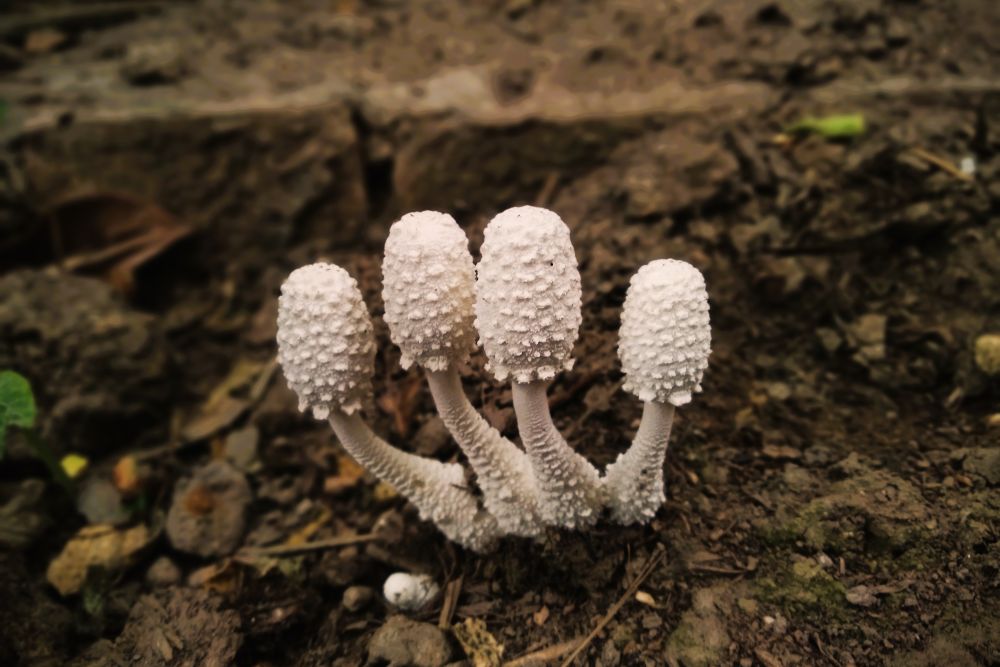
In recent years, Lion’s Mane mushroom (Hericium erinaceus) has gained significant attention as one of the most sought-after natural nootropics in Australia and around the world. Traditionally used in East Asian herbal practices, this distinctive medicinal mushroom has evolved from a niche wellness ingredient into a widely recognised supplement valued for its potential cognitive and neurological benefits.
The growing popularity of Lions mane supplements reflects a broader consumer shift towards supporting brain health, mental performance, and overall wellbeing through natural solutions. As interest in cognitive enhancement and healthy ageing continues to rise, Lion’s Mane has become a prominent feature in wellness routines, attracting attention from health-conscious individuals, professionals, students, and biohacking communities alike.
What Is Lion’s Mane?
Lion’s Mane is an edible medicinal mushroom characterised by its distinctive white, cascading spines resembling a lion’s mane. Traditionally used in Chinese and Japanese herbal medicine, it has long been valued for its potential effects on digestion, immunity, and cognitive function.
Modern scientific interest, however, has focused primarily on its potential nootropic properties—its ability to support brain health and cognitive performance.
The Science Behind Its Nootropic Reputation
Lion’s Mane contains bioactive compounds known as hericenones and erinacines. These compounds are believed to stimulate the production of nerve growth factor (NGF), a protein essential for the growth, maintenance, and survival of neurons.
While research is still developing, early studies suggest that Lion’s Mane may support:
- Memory and cognitive performance
- Mental clarity and focus
- Nerve regeneration and brain plasticity
- Mood regulation and reduced symptoms of mild anxiety or stress
Although more large-scale clinical trials are needed, these promising findings have contributed significantly to its reputation as a leading natural nootropic.
Why Lion’s Mane Became So Popular
Several factors have driven the surge in popularity of Lion’s Mane in Australia and other Western markets:
1. Growing Interest in Cognitive Wellness
Modern lifestyles, characterised by high workloads, digital overload, and chronic stress, have increased demand for cognitive support solutions. Consumers are increasingly seeking natural ways to enhance focus, productivity, and mental resilience.
2. The Rise of Functional Mushrooms
Lion’s Mane is part of a broader trend toward “functional mushrooms,” which include varieties such as Reishi, Cordyceps, and Chaga. These mushrooms are marketed for their health benefits beyond basic nutrition, making them attractive to health-conscious consumers.
3. Influence of Biohacking and Wellness Communities
Biohacking culture and wellness influencers have played a major role in popularising Lion’s Mane. Its association with productivity, mental performance, and longevity has made it a staple in nootropic stacks and morning routines.
4. Preference for Natural Alternatives
Many consumers are moving away from synthetic stimulants such as caffeine-heavy supplements or prescription cognitive enhancers. Lion’s Mane offers a plant-based, generally well-tolerated alternative that aligns with clean-label and holistic health trends.
How Lion’s Mane Is Commonly Used
Today, Lion’s Mane is widely available in several forms, including capsules, powders, teas, and blended functional beverages. It is often combined with other nootropic ingredients such as Rhodiola rosea, Ginkgo biloba, or adaptogenic mushrooms to support broader cognitive and stress-related benefits.
In Australia, it is commonly used by professionals, students, and wellness enthusiasts seeking improved focus during work or study, as well as general cognitive support.
Considerations and Final Thoughts
While Lion’s Mane is generally considered safe for most people, its effects can vary depending on dosage, product quality, and individual biology. As with any supplement, it should be used as part of a balanced lifestyle that includes proper nutrition, sleep, and stress management.
The popularity of Lion’s Mane reflects a broader shift in modern health culture—toward preventative wellness and natural cognitive support. As research continues to evolve, it is likely that Lion’s Mane will remain a key player in the expanding field of nootropics and functional nutrition in Australia.


Ex-Navy SEAL sentenced for plot to attack police at ‘No Kings’ protests

Wife of Chiefs coordinator Eric Bieniemy shot by son in Virginia

Mitch McConnell remains in rehab, not medically cleared to return to Senate

Hurricane Genevieve becomes first Category 5 storm in eastern Pacific since 2024
-

 Legal2 days ago
Couple identified after family of 8 found dead in suspected Michigan murder-suicide
-

 World3 days ago
NATO intern arrested in Belgium over suspected espionage
-

 World6 days ago
Houthis claim missile and drone attacks on 2 Saudi oil tankers in Red Sea
-

 Politics5 days ago
U.S. sanctions new CJNG leader, more than 50 people and companies
-

 US News7 days ago
All 4 U.S. soldiers killed in Jordan and Iraq identified
-

 World7 days ago
Death toll from Guyana ferry disaster rises to 53
-

 Legal6 days ago
2 Indianapolis police officers shot during disturbance call
-

 Legal6 days ago
Puerto Rico man charged over threats to bomb White House, attack soldiers and Jewish people