
Reviews
Why the Logistics Infrastructure Behind an Event Company Determines What’s Actually Possible

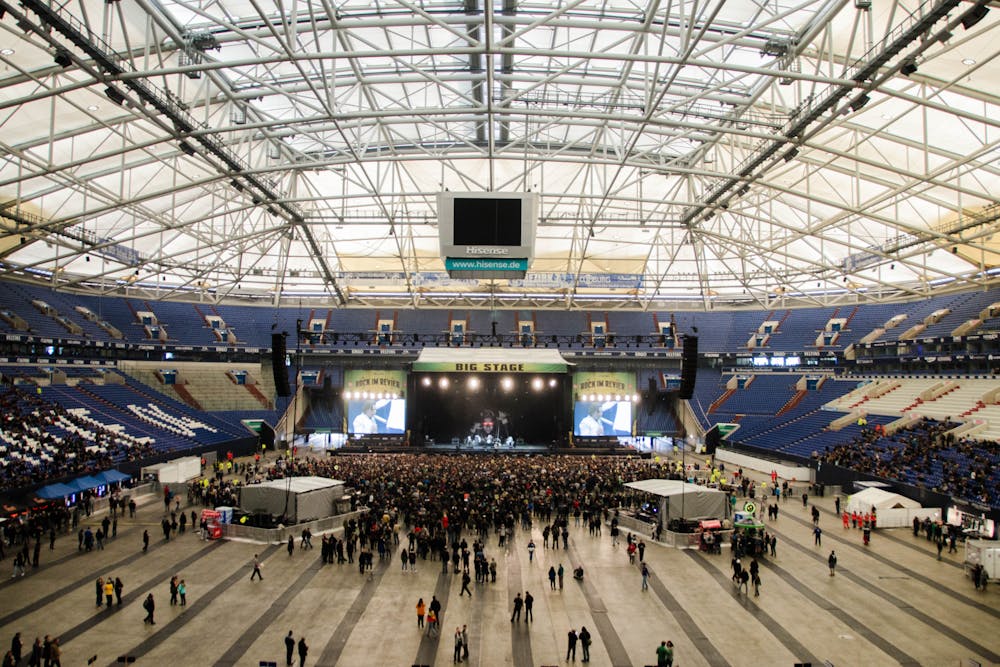
The creative concept presented during an event company pitch is a description of what the company imagines. The logistics infrastructure behind that company is what determines whether the imagination is achievable. Those two things are related but they’re not the same, and the gap between a compelling event concept and a successfully executed event is almost always a logistics gap rather than a creative one.
An event company with strong creative capability and weak logistics infrastructure produces concepts that look impressive in a presentation and encounters the friction of reality during execution in ways that the client experiences as problems with the event rather than as problems with the company’s operational capability.
What Logistics Infrastructure Actually Covers
Event logistics infrastructure encompasses the supplier relationships, equipment inventory or access, personnel networks, venue relationships, and project management systems that convert a creative concept into a physical event with the timing, quality, and contingency capability the concept requires. Each of those components contributes to what’s actually achievable on event day, and a weakness in any one of them produces constraints that the event either works around at cost or encounters as a failure at the worst possible moment.
Supplier relationships are the infrastructure component whose quality is least visible during the pitch and most apparent during execution. An event company with established relationships with reliable suppliers across the categories an event requires, audio visual production, catering, florals, furniture, lighting, has access to a different level of execution capability from one that goes to market for each event without the relationship context that produces priority access, accurate lead times, and the informal communication that prevents small problems from becoming large ones.
How Equipment Access Determines Creative Feasibility
An event concept that requires specific equipment, a particular lighting configuration, a staging format, a production element, is only feasible if the equipment is accessible and if the company managing the event knows how to operate it correctly. An event company that owns or has reliable access to the production equipment their concepts require can commit to those concepts with confidence. One that conceives events around equipment they’ll need to source, operates, and manage from suppliers they haven’t worked with before is introducing a supply and competence variable that the concept presentation didn’t disclose.
The distinction matters most for technically complex elements where the gap between the concept and the execution depends on the specific equipment and the specific operators delivering it. A lighting design that looks a specific way in a render looks that way when the equipment, the operator, and the venue ceiling height are all correct simultaneously. One of those variables being different from what was assumed produces a result that looks like a different concept from the one that was agreed.
Where Personnel Networks Determine Event Day Reliability
Event execution requires enough experienced personnel to manage the simultaneous demands of a live event, and an event company whose personnel network is limited to their core team is a company whose execution capacity is constrained by that team’s size and availability. Events that require staffing beyond core team capacity, which describes most events above a certain scale, depend on the company’s ability to draw on an extended network of experienced event personnel who understand the company’s standards and can execute to them without the full briefing that a new hire would require.
A company with a deep, tested personnel network produces consistent execution quality across different event scales and configurations. One that scales its staffing through last-minute recruitment of personnel who haven’t worked to their standards before introduces a quality variable that the pitch didn’t reveal and that the client discovers on event day.
What Contingency Capability Requires From Infrastructure
Every event encounters something that wasn’t planned for, and the difference between a contingency that’s absorbed invisibly and one that becomes a visible event problem is almost always an infrastructure difference. An event company with backup equipment, alternative supplier relationships that can be activated quickly, and experienced personnel who know how to solve problems in real time without escalating them to the client, produces events where contingencies are managed as operational matters.
The contingency capability that infrastructure provides is the most valuable thing an event company brings to a client relationship and the hardest thing to evaluate from a pitch. It reveals itself in how events go when something unexpected happens, and experienced event buyers weight it accordingly when selecting who they trust with events where the stakes of a visible problem are high.


Ex-Navy SEAL sentenced for plot to attack police at ‘No Kings’ protests

Wife of Chiefs coordinator Eric Bieniemy shot by son in Virginia

Mitch McConnell remains in rehab, not medically cleared to return to Senate

Hurricane Genevieve becomes first Category 5 storm in eastern Pacific since 2024
-

 Legal2 days ago
Couple identified after family of 8 found dead in suspected Michigan murder-suicide
-
 World3 days ago
NATO intern arrested in Belgium over suspected espionage
-

 World6 days ago
Houthis claim missile and drone attacks on 2 Saudi oil tankers in Red Sea
-
 Politics5 days ago
U.S. sanctions new CJNG leader, more than 50 people and companies
-

 US News7 days ago
All 4 U.S. soldiers killed in Jordan and Iraq identified
-
 World7 days ago
Death toll from Guyana ferry disaster rises to 53
-

 Legal6 days ago
2 Indianapolis police officers shot during disturbance call
-

 Legal6 days ago
Puerto Rico man charged over threats to bomb White House, attack soldiers and Jewish people