
Reviews
Why Brand Experience Dominates as Hospitality’s Competitive Edge in 2026

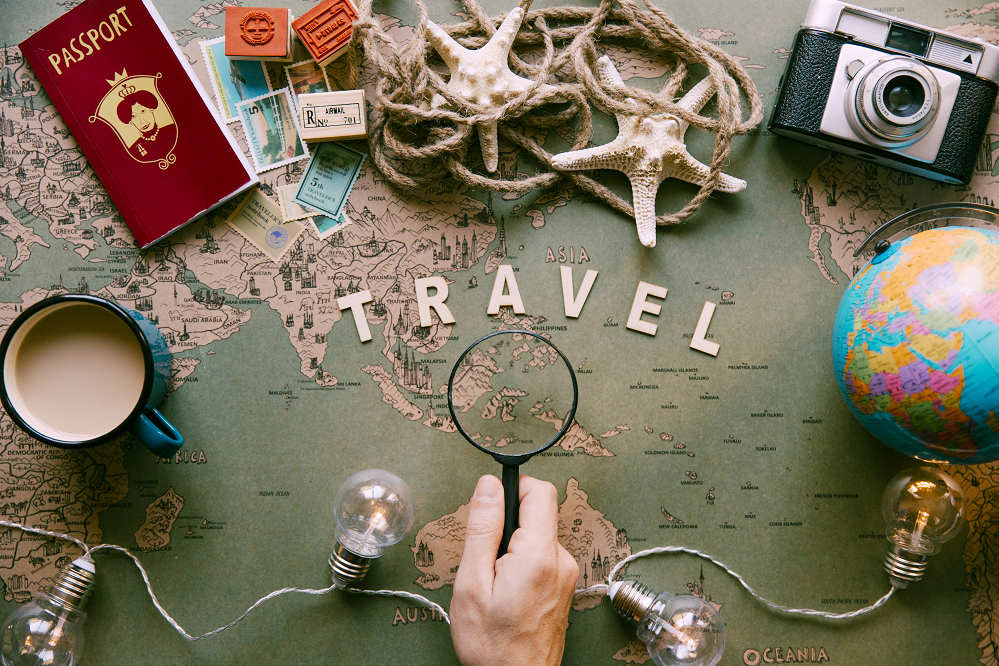
You walk into a resort and sense right away that someone actually thought about what you might want before you even asked. That’s the difference hospitality brands are chasing in 2026. Luxury travelers expect immersion, digital nomads look for seamless tech that feels human and business guests want stays that quietly build loyalty through thoughtful details. The experience economy keeps gaining ground, and the brands that get this right pull ahead. Let’s look at why these shifts matter and where they’re showing up strongest.
Picture arriving in Dubai this year. The hotel’s AI has already adjusted the room lighting and stocked your preferred snacks based on past stays, while a comparable chain back in the States still feels like a checklist. People want more than a clean bed now. They want moments that stick, stories they tell friends later. Post-pandemic travel cravings pushed this along, and the numbers back it up. Global travel spending hit massive levels a couple years back, and the momentum hasn’t faded. Digital nomads keep moving, so hotels have to keep up. Regions are handling it in different ways, which makes the story interesting.
The UAE’s Luxury Push Builds Deeper Immersion
The UAE keeps leading in luxury hospitality this year. Resorts pour resources into deeply personalized touches that pull in high-end visitors. Cultural layers mixed with smart tech create stays people remember and recommend.
You can almost see it: traditions woven into the experience, not tacked on. Skift has pointed out the danger of a “wave of mediocrity” when everything gets too automated, but places in the UAE push back hard by focusing on real immersion—think cooking sessions with local chefs instead of just pretty backdrops, as outlined in Skift’s 2026 megatrends analysis. Satisfaction climbs when that happens. Luxury segments stand out as the real growth engines here, with RevPAR climbing 5.3 percent year-to-date while economy properties slip back 1.8 percent. Sustainability enters the picture next.
When operators build these properties, they often turn to specialists who dig into market analysis and pull together consistent design and branding that actually connects emotionally with guests. A hospitality branding agency can help shape that identity for hotels and retreats through careful touchpoint integration, making sure the whole package feels distinct in a packed field. Cornell’s research nailed it years ago with talk of a “sea of sameness,” and the way out lies in building genuine, relationship-driven personalization. That approach draws in travelers who care about ESG factors and helps manage risks. Europe takes a different route worth noting.
Europe’s Green Rules Strengthen Guest Loyalty
Europe keeps raising the bar on environmental rules. Hotels have to weave genuine green practices into the guest journey, not just slap on a label. Certifications now open doors instead of being optional.
Hospitality Net covered how RIU achieved full ECOSTARS status across its properties, gaining access to specialized markets like MICE and appealing to guests who prioritize sustainability. Costs got optimized in the process, and the appeal broadened noticeably. Certifications cut down on certain risks while lifting perceived value. Guests start choosing brands that match their values, and loyalty follows.
Travel through Europe and you spot the change: zero-waste meals, ties to local communities, experiences that go beyond basics. EHL’s outlook on the experience economy captures this shift well—innovation rooted in human connection creates moments that linger long after the trip ends. Regenerative approaches look set to expand steadily. The U.S. brings a tech angle into focus.
Inside the US: AI Makes Personalization Standard
American brands lean heavily on AI to guess what guests need before they say it. Standard stays turn into something tailored, and personalization becomes table stakes across chains.
Amid 18.1 million American digital nomads seeking that ideal mix of efficiency and genuine warmth (per Deloitte’s 2026 outlook), predictive tools emerge as the bridge. J.D. Power’s satisfaction study showed people lingering longer on average—3.43 days—and luxury properties benefiting most. Data lets brands anticipate preferences, which sharpens the sense of value.
PwC’s analysis makes clear that AI pushes personalization from nice-to-have to essential, boosting reservation conversions by 25 to 35 percent in some call-center applications. The difference shows up in effortless check-ins and recommendations that actually fit. Asia brings another layer to the conversation.
What Drives Asia’s Experiential Momentum
Asia ramps up cross-cultural partnerships that strengthen brand presence through flagship-style experiences. Emotional resonance shapes the direction.
Inbound tourism jumped 22.3 percent in the first three quarters of 2025, Deloitte China’s forecast shows, linking those emotional drivers to strong rebounds in related sectors. Partnerships open up fresh, distinctive offerings. How might that kind of depth change the way you plan your next trip?
Walk into an Asian hotel and local artistry blends with global standards in ways that pull you in. Hospitality Net’s trend overview puts it plainly: high-quality data lets leaders anticipate demand and deliver unique stays that guests now treat as essential. Market positions solidify when that happens. The bigger picture starts to come into view.
Global Forces Keep Brand Momentum Building
Around the world, the post-COVID travel rebound still hedges against inflation through experiential real estate. Distinctive offerings keep drawing investment.
Those double-digit ADR increases from 2023 through 2024 still echo in PwC’s real estate overview. McKinsey laid out the scale earlier with $8.6 trillion in global travel spending, a clear sign that one-size-fits-all no longer works. Luxury and aspirational segments keep pulling ahead fastest.
Look at groups like Minor Hotels folding in NH and doubling down on exclusive vacations aimed at upscale travelers. That kind of focus on dynamic, feature-rich experiences stands out. An EHL-referenced survey found 81 percent of customers gravitate toward brands that deliver genuine personalization. The competitive gaps widen.
Deloitte Global emphasizes AI’s ability to handle operations smoothly while amplifying those personal touches. Travelers end up with better stays everywhere.
Embrace Tomorrow’s Hospitality Brand Trends with Confidence
Pull it all together—AI, sustainability, real immersion—and hospitality wins by creating emotional ties instead of just transactions. Growth tied to loyalty leaves generic options behind. What if the next booking actually shifted how you think about loyalty?
Keep an eye on U.S. developments and choose options thoughtfully. Travel responsibly. Supporting sustainable practices and local communities makes the whole thing more worthwhile in the long run.



-

 World1 week ago
Dutch police review arrest after pregnant woman thrown to ground in viral video
-

 World1 week ago
U.S. citizen killed in shootout near Cabo tourist area in Mexico
-

 US News1 week ago
3 Latvian climbers killed in fall on Denali in Alaska; others injured
-

 Legal1 week ago
2 officers, police K-9 injured in Virginia shooting
-

 US News1 week ago
United flight turns around over Atlantic after Bluetooth device named BOMB
-

 Legal6 days ago
3 killed, officer wounded in shooting in Sandy, Oregon
-

 Legal6 days ago
1 killed, 1 seriously injured in shooting near clinic in Saskatchewan, Canada
-

 Legal4 days ago
Mississippi deputy shot during standoff in Simpson County