
Health
Child dies of H5N1 bird flu in India, marking country’s 2nd death from the virus

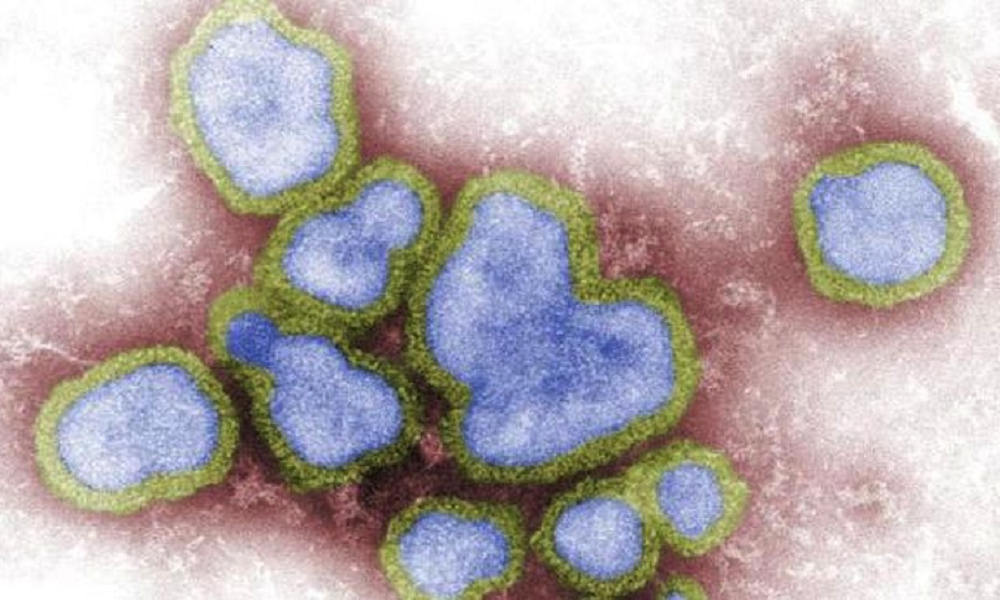
A 2-year-old girl has died due to H5N1 avian influenza in India, according to health officials. This is the second death reported in the country since the virus emerged.
The child, from Andhra Pradesh’s Palnadu district, was admitted to hospital on March 4 with symptoms including fever, difficulty breathing, nasal discharge, seizures, diarrhea, and reduced appetite. Despite intensive medical treatment, she died on March 16, according to a statement by the region’s health department on Wednesday.
Health officials said the child had had consumed raw meat just two days before symptoms began. A throat swab collected on March 7 initially tested positive for Influenza A, and subsequent testing by the National Institute of Virology (NIV) confirmed the presence of the H5N1 virus.
The Indian Council of Medical Research (ICMR) formally alerted state authorities on March 31 after the virus was confirmed. The Andhra Pradesh Health Department has since launched active surveillance in the affected area. As of Thursday, no additional cases have been identified, though surveillance will continue for two weeks.
The case coincides with a major avian influenza outbreak in Andhra Pradesh, where more than 540,000 birds have died or been culled since January. The virus has affected both commercial poultry farms and backyard flocks.
This marks the second confirmed human death from H5N1 in India, following the country’s first fatal case in 2021, when an 11-year-old boy died after being transferred to New Delhi for treatment.
LINK: A list of all human cases of H5N1 bird flu since 2021
The new case in India comes amid a rise in global H5N1 infections reported since 2022, following the emergence of a newer viral clade. So far in 2025, four human cases have been confirmed worldwide—all of them fatal. Three of those occurred in Cambodia and were linked to older strains of the virus.
The specific variant involved in the India case has not yet been publicly disclosed, but older clades such as 2.3.2.1c and 2.3.2.1a continue to circulate in parts of Asia.
The newer clade, 2.3.4.4b, is currently spreading widely among birds and mammals and has raised international concern due to its increasing detection in humans and its role in recent outbreaks among dairy cattle and other mammals.


Ex-Navy SEAL sentenced for plot to attack police at ‘No Kings’ protests

Wife of Chiefs coordinator Eric Bieniemy shot by son in Virginia

Mitch McConnell remains in rehab, not medically cleared to return to Senate

Hurricane Genevieve becomes first Category 5 storm in eastern Pacific since 2024
-

 Legal1 day ago
Couple identified after family of 8 found dead in suspected Michigan murder-suicide
-

 World2 days ago
NATO intern arrested in Belgium over suspected espionage
-

 World5 days ago
Houthis claim missile and drone attacks on 2 Saudi oil tankers in Red Sea
-

 Politics5 days ago
U.S. sanctions new CJNG leader, more than 50 people and companies
-

 US News6 days ago
All 4 U.S. soldiers killed in Jordan and Iraq identified
-

 World6 days ago
Death toll from Guyana ferry disaster rises to 53
-

 Legal5 days ago
2 Indianapolis police officers shot during disturbance call
-

 Legal5 days ago
Puerto Rico man charged over threats to bomb White House, attack soldiers and Jewish people