
Reviews
Should Senior Citizens File Bankruptcy?

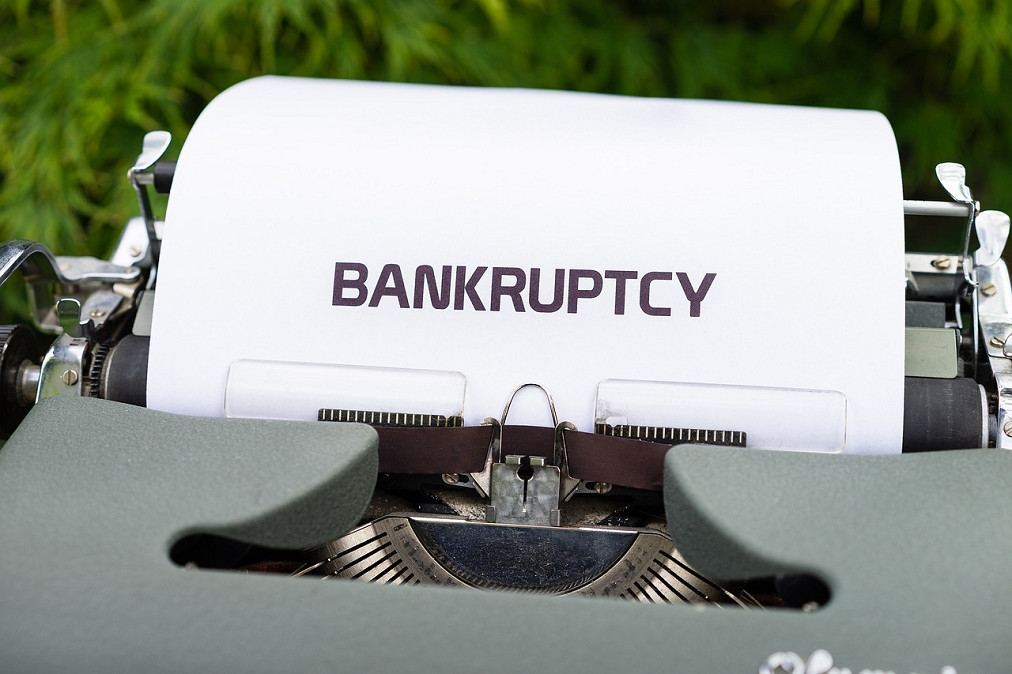
Getting older is supposed to bring peace, not panic every time the phone rings or the mailbox fills with more bills. But for many seniors, that’s exactly what’s happening. It’s a bit depressing that you work hard your whole life, put money aside where you can, and then somehow still end up wondering if you’ll make it through the month. When debts keep piling up and the income just isn’t enough, some older adults start asking the hard question. Should I file for bankruptcy?
It’s not an easy topic. No one wants to be in this spot. Still, for more seniors than ever before, it’s becoming a very real option. So what’s going on? Why is this happening? And more importantly, what does bankruptcy actually mean when you’re no longer working full-time and your life looks different than it did twenty years ago?
Spike in Senior Debt
Let’s call it what it is. The cost of aging has gotten out of control. Medicare might help with some things, but it does not cover everything. There are medical treatments, prescriptions, dental procedures, long-term care, and more. These expenses do not go away just because you turned 65. In fact, they often grow bigger.
Then there’s the day-to-day stuff, like groceries, utilities, and rent. These things do not care if you are retired or living on a fixed income. When prices keep climbing and your check stays the same every month, the math stops making sense.
Some seniors still have a mortgage. Others are stuck with credit card debt they’ve been trying to pay off for years. Then there are folks who co-signed loans to help their children or grandchildren. That can backfire in ways no one wants to talk about. Put all that together, and you’ve got a growing number of older adults drowning in debt with no clear way out. This is not rare anymore.
Will You Lose Everything If You File?
This is the first thing people ask. Will I lose my house? Will they take my Social Security? Will they empty my retirement account? Let’s slow down and look at how it really works.
Social Security cannot be touched. It is protected. So that is some relief. The bankruptcy court cannot take that money to pay off your debts. The same is true for most retirement accounts. Things like IRAs, 401(k)s, and pensions are usually safe. You get to keep them. There are limits, of course, but for most seniors, the balances fall under the protection threshold.
The house is more complicated. Some states let you keep your full home equity. Others only protect part of it. If your house is paid off or mostly paid off, the value above your state’s exemption might be at risk in a Chapter 7 case. That is something you need to ask a bankruptcy lawyer about it directly because the rules depend on where you live.
You have to keep in mind that the system is not designed to strip seniors of everything they own. In many cases, bankruptcy is actually used to keep people in their homes longer, keep food on the table, and stop creditors from chipping away at what little peace someone has left.
Which Type of Bankruptcy Might Fit Better?
There are two kinds most people look at: Chapter 7 and Chapter 13. They are not the same. Chapter 7 is what most people think of when they hear the word bankruptcy. It wipes out unsecured debts. That means medical bills, credit cards, personal loans. It is fast, usually three to four months from start to finish. If you do not have a high income and your assets fall under the exemption rules, it can be a clean way to reset.
Chapter 13 works differently. It sets up a payment plan that lasts three to five years. You repay part of your debt during that time based on your income. You keep your property. It is often used when someone is behind on a mortgage or owes taxes and wants time to catch up without losing their home.
For a lot of seniors, Chapter 7 is the better fit. They are not trying to protect a big income. They just want relief. But if your situation is more complex, like if you are trying to stop a foreclosure or manage payments on a home with equity, Chapter 13 might make sense.
Still, neither option is something to jump into blind. Each one has trade-offs. The wrong move could leave you worse off. That’s why it’s smart to get a free consultation from someone who knows bankruptcy law in your state. Some seniors who own small businesses or hold complex assets might explore Chapter 11 bankruptcy as a way to restructure debt without losing everything they’ve built.
The Emotional Side of Filing for Bankruptcy
No one talks much about how this feels. The stress, the shame, and the fear that maybe you failed somehow. You look at the paperwork, the calls from creditors, the numbers that don’t add up. But it’s not just numbers, is it? It’s the weight of it all. For older adults, especially, the idea of filing for bankruptcy can feel deeply personal. Like it means something about your character. But that’s not the truth. Life happens. Illness happens.
Expenses pile up even when you’re careful. Helping your family, covering medical bills, surviving on a limited income—these are not signs of failure. They are signs you did everything you could. Sometimes the smartest, strongest move is just to say enough. Taking action to protect your peace is not giving up. It is taking care of yourself. This is about relief, not regret. You’re allowed to choose a path that lets you breathe.
What Happens to Your Life After You File?
People think everything falls apart when they file, their credit will be gone forever, and they will be locked out of everything. It’s not true. Yes, your credit score takes a hit. Yes, the bankruptcy stays on your report for years. However, if you’re a senior who is not planning to buy a new house or take out big loans, that hit may not matter much. If you’ve already been missing payments or are maxed out, your credit score probably isn’t great right now. Filing can stop the calls, lawsuits, and garnishments. That’s not a small thing. It is peace of mind and space to breathe.
More importantly, it gives you control again. You decide what you can afford. You stop paying just to survive. You are no longer spending retirement income trying to chip away at interest charges that never go down. You get to focus on what matters.
There are real downsides, like having to give up certain property. You will need to pay filing fees and maybe attorney costs. But for many older adults, those costs are less painful than continuing to live in financial fear.
When Should You Consider Bankruptcy?
There is no rule that says every senior with debt needs to file bankruptcy. In fact, some people do not need to file at all, even if they owe money. If your only income is Social Security and you do not own property or savings that creditors can grab, you might already be what the law calls judgment-proof. That means they can sue you but they cannot collect. In that case, you might not need to file anything. You can let the phone ring and know they can’t touch your money.
But if you are using credit cards just to pay for groceries or medicine, that is a warning sign. If collectors are calling your children or showing up at your door, something has to change. If the stress is hurting your health, affecting your sleep, or ruining your relationships, that is not just about money anymore.
Bankruptcy is not failure. It is not giving up. It is a legal tool designed to help people who are buried in debt and cannot climb out. Seniors should not feel ashamed for using it.
Still, there are moments when it is better to wait. If you are expecting a settlement or a sale that could clear your debts soon, maybe bankruptcy is not necessary. If you transferred property recently, filing could get messy. That is another reason why advice from someone who understands the process is so important. The truth is, there is no one-size-fits-all answer. Some people will file. Some will not. But everyone deserves the facts before they decide.
If you are retired or close to it and you’re facing bills you just cannot handle anymore, take a breath. This is not the end of the story. There are ways to move forward without losing what matters. Bankruptcy might be one of them. What matters is that you understand your options and make a choice that fits your life—not just your debt. If you want to talk about it, we are here. No pressure. No judgment. Just answers that can help.


Cambodia and Thailand trade accusations after new clashes along disputed border

Mexico opens terrorism investigation after car bomb explosion kills 5

Trump says Netflix–Warner Bros. acquisition could raise market-share concerns

At least 9 inmates found dead at Ecuador prison
-

 Health4 days ago
France confirms 2 MERS coronavirus cases in returning travelers
-

 Health6 days ago
8 kittens die of H5N1 bird flu in the Netherlands
-

 Entertainment4 days ago
Joey Valence & Brae criticize DHS over unauthorized use of their music
-

 Legal1 week ago
15 people shot, 4 killed, at birthday party in Stockton, California
-

 US News6 days ago
Fire breaks out at Raleigh Convention Center in North Carolina
-
 US News1 day ago
Magnitude 7.0 earthquake strikes near Alaska–Canada border
-
 Health5 days ago
Ethiopia reports new case in Marburg virus outbreak
-

 Legal3 days ago
Woman detained after firing gun outside Los Angeles County Museum of Art