
Reviews
How to Prepare Your Home for Unexpected Weather Events

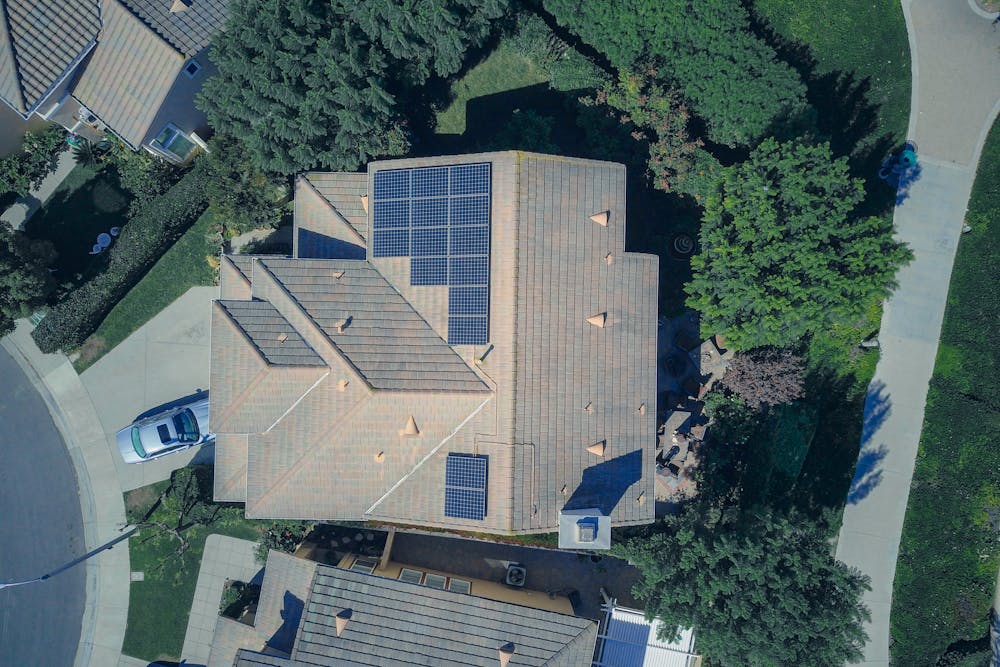
Weather can be unpredictable, and in recent years, many households have experienced storms, heat waves, extreme cold, or heavy winds at times they didn’t expect. When these weather events strike, they often do so suddenly, leaving little time to react. That’s why preparing your home ahead of time can make such a big difference. A well-prepared home helps keep your family safe, protects your belongings, and reduces the stress that comes when conditions get rough. Even if you’ve never experienced a severe weather event in your area, today’s changing climate makes preparation more important than ever.
Most steps are simple, practical, and easy to complete gradually. The goal isn’t to create a fortress. It’s to make your home more resilient so you’re not caught off guard. One of the biggest challenges people face during extreme weather is losing power, whether it’s from high winds, damaged lines, or heavy rain. Once electricity goes out, everything from lighting to heating, cooling, and communication becomes harder. This is often the moment families realize how crucial it is to think ahead.
That’s why one of the smartest places to begin is by strengthening your home’s backup power options before a major storm happens.
Strengthen Your Home’s Power Preparedness
Power outages are one of the first things many people experience during unexpected weather events. Losing electricity can affect your heating and cooling systems, shut down kitchen appliances, and make it difficult to stay informed when you need updates the most. If you have young children, elderly relatives, pets, or anyone with medical needs at home, a power outage can become even more stressful. That’s why preparing your home to function without electricity is one of the most important steps you can take.
When you start considering how to stay safe and comfortable during an outage, you’ll quickly understand why generators are definitely worth the investment for many households. They provide reliable backup power that keeps essential systems running, from refrigerators to heating and cooling units. Standby generators, in particular, switch on automatically when the power goes out, which means you don’t have to scramble in the dark or worry about losing frozen foods or important electronics. They can help you stay comfortable, protect your home’s systems, and reduce the disruption that comes with a sudden outage.
Backup power gives you peace of mind, especially during long storms when utility companies need time to restore service. Once you’ve prepared your home for power loss, the next step is making sure the structure of your home can handle severe conditions.
Inspect Your Home’s Structural Vulnerabilities
Before a storm arrives, it’s helpful to walk around your home and look for areas that might need reinforcement. Strong winds and heavy rain can expose weaknesses you didn’t realize existed. Check your roof for missing or loose shingles, look at the edges of your windows for worn seals, and confirm that your gutters are free of leaves and debris. Gutters that drain properly help keep water away from your foundation, which prevents flooding during downpours.
It’s also important to scan for tree branches hanging too close to your home. Even healthy trees can break during storms, so keeping branches trimmed protects your roof, siding, and windows. Simple repairs and routine maintenance can prevent big problems when severe weather hits.
Create an Emergency Kit That Covers the Essentials
Every home should have a basic emergency kit. Your kit doesn’t need to be complicated; it just needs to include items you may need if you’re stuck at home without power or if you need to leave quickly. Start with flashlights, extra batteries, a first-aid kit, bottled water, nonperishable food, and a portable phone charger. If you live in an area prone to winter storms, consider adding blankets, warm clothing, and hand warmers.
It also helps to keep a battery-powered weather radio in your kit so you can stay updated on storm conditions even if your phone loses service. Store everything in a single, easy-to-reach place so you don’t scramble to find items during an emergency.
Protect Your Home From Flooding and Water Damage
Flooding is one of the most common threats during severe weather, even in areas that don’t typically see heavy rainfall. Preparing for potential flooding can save you from costly repairs later. Start by checking your drainage systems. Clean your gutters, extend your downspouts so water flows away from your home, and make sure any outdoor drains are clear.
If your home sits in a low-lying area, consider using sandbags or flood barriers during heavy storms. Inside the home, move valuables off the ground and place electronics on shelves or elevated surfaces. Even a small amount of water can damage sensitive equipment, so elevating items is an easy preventive step.
Prepare Your Heating and Cooling Systems
Extreme temperatures often accompany unexpected weather events. Whether you’re facing a heat wave or a cold snap, your HVAC system becomes essential. To keep it running efficiently, check your air filters regularly and replace them as needed. Clean your vents and consider scheduling professional maintenance once or twice a year to ensure your system works when you need it most.
Weatherstripping around doors and windows helps keep warm or cool air inside during outages or extreme conditions. Good insulation also makes a big difference in maintaining comfortable indoor temperatures, especially when repairs or restoration take time.
Secure Your Outdoor Space
Outdoor items can quickly become hazards during storms. Patio furniture, garden tools, toys, or even small décor pieces can cause damage if strong winds lift them. Before severe weather hits, bring loose items indoors or secure them tightly outside. Inspect your fences, sheds, and outdoor structures for stability. Even a minor adjustment can help protect your yard and home during high winds.
Regular tree maintenance is equally important. Removing weak or damaged branches can prevent them from falling on your home, car, or power lines during storms. Taking care of these tasks ahead of time helps reduce the risk of unexpected damage.
Strengthen Communication and Emergency Planning
Staying informed is one of the most important parts of preparing for bad weather. Make sure your phone can receive emergency alerts, and consider signing up for text notifications from your local weather service or community organizations. These updates help you stay aware of changing conditions.
Create a simple communication plan with your family. Make sure everyone knows where to go during an emergency, how to contact each other, and what to do if you become separated. Keep important documents, such as insurance information and identification, in a waterproof container so they’re easy to grab if you need to leave quickly.
You can’t control the weather, but you can control how ready your home is before it hits. Preparing your home for unexpected weather events isn’t difficult. It’s about simple steps, consistent habits, and tools that support your safety. When you strengthen your home, build an emergency kit, prepare for power outages, and stay informed, you create a safer environment for your family.
With the right preparation, unexpected weather becomes far less frightening.


Death penalty possible in White House National Guard shooting case

5 women among 6 injured in targeted acid attack in Jersey City, New Jersey

U.S. strike kills 1 on alleged drug vessel in Eastern Pacific; 2 survive

Suspect and hostage dead after stolen vehicle pursuit in Oklahoma
-

 World1 week ago
Man seriously injured in attempted beheading in Northern Ireland
-

 World3 days ago
Tren de Aragua leader killed in U.S. strike in Venezuela
-

 World3 days ago
Woman dies after being thrown from bridge without bungee cord in Brazil
-

 Legal6 days ago
Arizona man convicted of threatening to kill Trump and Harris
-

 Legal6 days ago
Montana man charged with threatening Hawaii governor and his family
-

 Legal6 days ago
Man kills 4 family members at home in Livonia, Michigan
-

 US News1 week ago
Man attacked by shark at Florida Navy base
-

 Legal1 week ago
North Carolina teen sentenced for school shooting threats over Charlie Kirk posts