
Reviews
Maintenance Habits That Keep a Home Steady

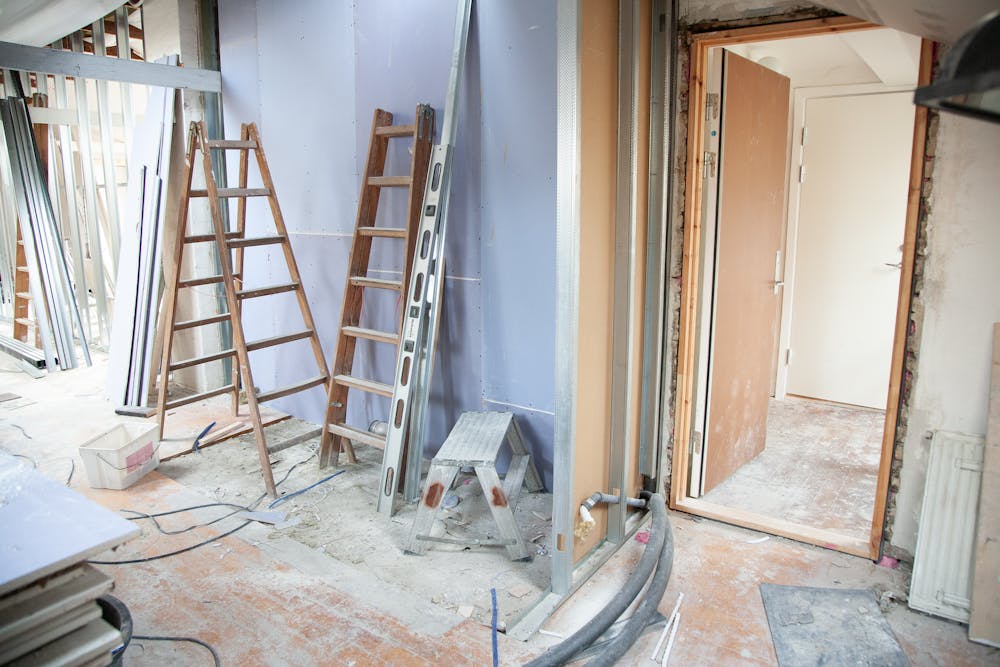
Ever walked into your house and thought, “Was that crack in the ceiling always there?” Most people don’t notice the little shifts until something leaks, creaks, or costs money. Homes don’t fall apart in one day. It’s the slow fade—the quiet drip, the forgotten filter, the draft no one dealt with. In this blog, we will share the maintenance habits that keep a home steady and functional, no matter the season or surprise.
The Power Grid Isn’t as Reliable as It Once Was
Weather events have always threatened power, but now outages are more common and last longer. Between extreme heat, ice storms, and stressed infrastructure, homeowners can’t assume electricity will always be there. That’s pushed backup systems—generators, battery storage, solar arrays—out of the prepper playbook and into everyday planning.
Routine maintenance here matters more than ever. Generators need testing and fuel rotation. Solar panels need cleaning and periodic inspection. Batteries degrade without notice if not monitored. And older wiring in historic homes can turn a surge into a fire risk overnight.
Electricity isn’t just about lighting anymore. It powers fridges, heating, medication storage, internet for remote work, and life-sustaining equipment in many households. Keeping your systems functional in uncertain conditions isn’t paranoia—it’s smart planning. Especially when outages now stretch into days instead of hours.
Cooling Systems Deserve More Thought Than They Get
With energy prices climbing and climate patterns wobbling, temperature control is becoming a frontline issue in home maintenance. Summers are hotter, longer, and less predictable. In many parts of the country, heatwaves now outlast the lifespan of traditional AC units, and power grids are creaking under the pressure. But the question isn’t just how to cool your home—it’s how to do it efficiently, affordably, and sustainably.
This is where a key decision enters the conversation: whether to choose central air or ductless cooling. While it may seem like a binary fork in the road, the choice is more layered. Central air, ideal for whole-home coverage, works well in existing systems with ductwork already installed. It’s generally seamless, especially in new construction or homes with basements or attics that allow easy routing. But it’s not always the most cost-efficient option—especially in older homes where duct retrofitting becomes a financial black hole.
On the other hand, ductless cooling systems provide precise temperature control room-by-room. They’re easy to install, energy-efficient, and allow for zoned cooling—which is perfect if you only use certain rooms during specific times of day. Plus, with energy standards evolving and tax incentives tied to efficient upgrades, many homeowners are opting for ductless systems not just for comfort but as a long-term value decision. Maintenance is also easier to manage, with filters that are simpler to clean and no sprawling ductwork to inspect for mold or blockage.
In both cases, the keyword isn’t just “cooling.” It’s control. And when you manage temperature proactively, it protects more than comfort—it safeguards structural integrity, prevents moisture buildup, and lightens the load on your utility bills. That’s long-game maintenance thinking.
The Small Stuff Is the Big Stuff
Modern life doesn’t leave much room for routine. Between long workweeks, backlogged errands, and whatever’s trending online, it’s easy to ignore the baseboards pulling away from the wall or the fact that your water bill quietly climbed over the last three months. But those are signals. And the homes that age well aren’t the ones with the biggest budgets—they’re the ones under consistent watch.
Maintenance doesn’t need to be dramatic or expensive. It just needs to be regular. Clearing debris from gutters, checking water pressure, and inspecting weatherstripping all fall into the category of “things that seem minor until they aren’t.” A clogged gutter becomes a flooded basement. A slow leak rots out a cabinet. One loose tile grows into a flooring replacement. The cost isn’t just financial—it’s emotional. Chaos tends to creep in when comfort breaks down.
What’s changed in recent years is how people view their homes. They’re not just places to live; they’re places to work, teach, recover, and retreat. The post-pandemic shift toward hybrid and remote setups has redefined home as headquarters. And headquarters needs upkeep. People aren’t just buying standing desks and upgrading routers—they’re learning that a smooth-functioning home is about maintenance as much as design.
This has triggered a subtle shift in priorities. Rather than saving repairs for emergencies, more homeowners are baking upkeep into monthly rhythms—much like budgeting or meal planning. When maintenance becomes a habit, not a headache, the house stays stable and the stress stays low.
Water Wins Every Time—If You Let It
Leaks don’t knock before they enter. A little water in the wrong place becomes a silent invader. Behind drywall. Under flooring. Around foundations. And once water gets in, it rarely leaves without a fight.
Maintenance around water isn’t just about responding to drips. It’s about preventing them. This includes sealing windows and doors annually, inspecting under sinks and around appliances, and making sure your sump pump still kicks on when it’s supposed to. Regularly flushing the water heater helps prevent sediment buildup and extends the system’s life. Checking the grading around your home’s perimeter ensures rain flows away, not toward the foundation.
The biggest mistake people make with water issues is assuming it’s a one-time event. In reality, it’s cumulative. Moisture doesn’t need a flood—it needs time. Left alone, it turns manageable fixes into insurance claims and health risks. Mold doesn’t care if you were busy. It just needs a few weeks of darkness and damp.
Smart homes now integrate leak detectors, smart shut-off valves, and humidity monitors. But even the most advanced systems still rely on human attention. A quick monthly walkthrough can do more to keep your home dry than a thousand-dollar sensor that no one bothers to check.
Maintenance as a Mindset, Not a Checklist
Keeping a home steady isn’t about chasing perfection. It’s about showing up regularly. It’s about seeing the house not just as shelter, but as a living system—a place that needs tending, not just cleaning. Maintenance habits don’t have to be overwhelming. Done well, they build rhythm, not resentment.
And over time, those rhythms pay off. Not just in money saved or disasters avoided, but in comfort gained. The home stays quieter. The temperature stays steady. The air stays clear. You don’t feel ambushed by repairs. You feel ready. That’s the reward of maintenance—not the satisfaction of checking a box, but the calm that comes when the walls, the roof, the systems are all quietly doing their job.
A steady home isn’t a lucky one. It’s a maintained one.


Joey Valence & Brae criticize DHS over unauthorized use of their music

Peacekeeper charged in June shooting at Salt Lake City’s No Kings rally

Doctor sentenced for supplying ketamine to Matthew Perry before his death

New Mexico man sentenced to 10 months in federal prison for threats against Trump
-

 Health2 days ago
8 kittens die of H5N1 bird flu in the Netherlands
-

 Legal1 week ago
Utah Amber Alert: Jessika Francisco abducted by sex offender in Ogden
-

 US News6 days ago
Explosion destroys home in Oakland, Maine; at least 1 injured
-

 Health1 week ago
Mexico’s September human bird flu case confirmed as H5N2
-

 Legal3 days ago
15 people shot, 4 killed, at birthday party in Stockton, California
-

 World1 week ago
Woman killed, man seriously injured in shark attack on Australia’s NSW coast
-

 US News2 days ago
Fire breaks out at Raleigh Convention Center in North Carolina
-
 Health6 days ago
Marburg outbreak in Ethiopia rises to 12 cases and 8 deaths